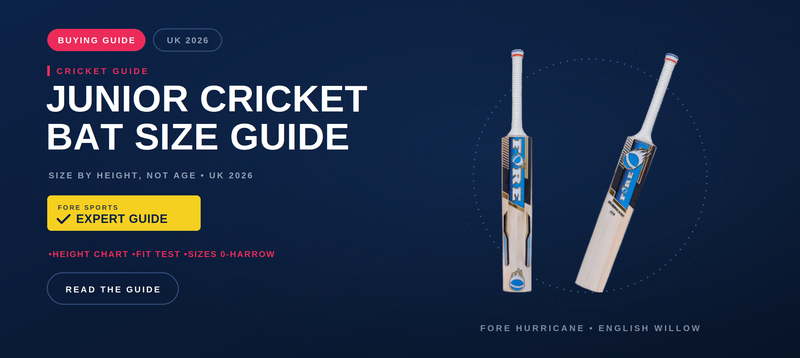
For most young beginners and softball players, start with a Kashmir willow bat. It is cheaper, tougher and perfectly good for learning the basics. Move up to English willow once your child plays regular hardball cricket and has settled at a size, because its lighter feel and livelier rebound help a developing player read the ball and time shots.
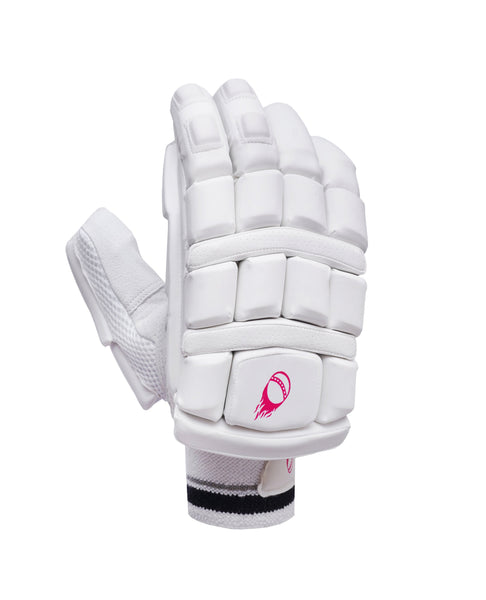 Premium White Batting Gloves£45.99£34.99 Sale
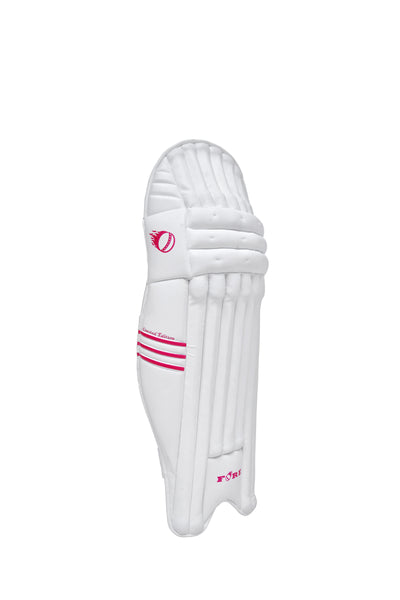 White Cricket Batting Pads£55.99£44.99 Sale
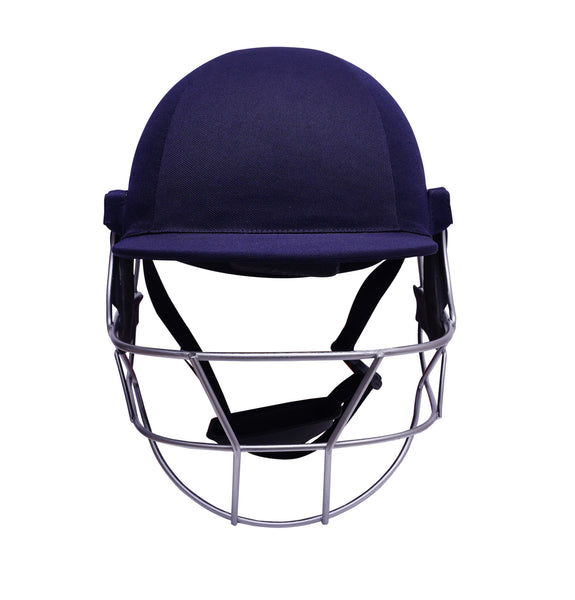 Premium Cricket Helmet (Blue)£47.99£42.99 Sale
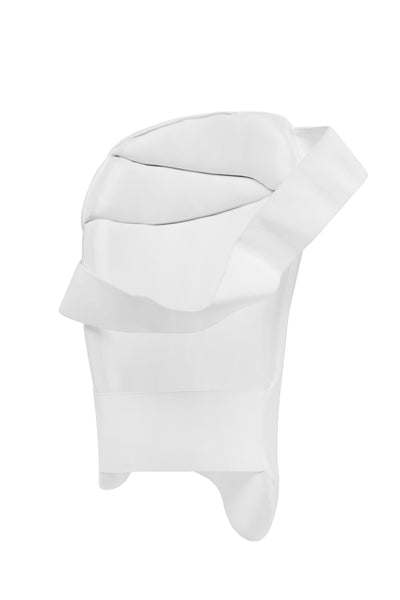 White Thigh Pad - Large£42.99£34.99 Sale
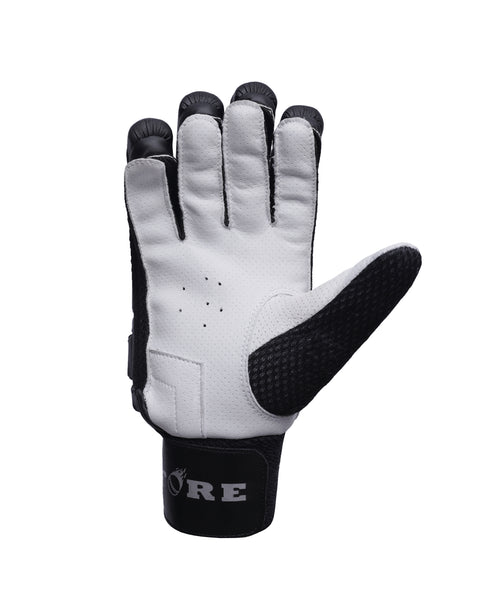 Premium Black Batting Gloves£45.99£34.99
 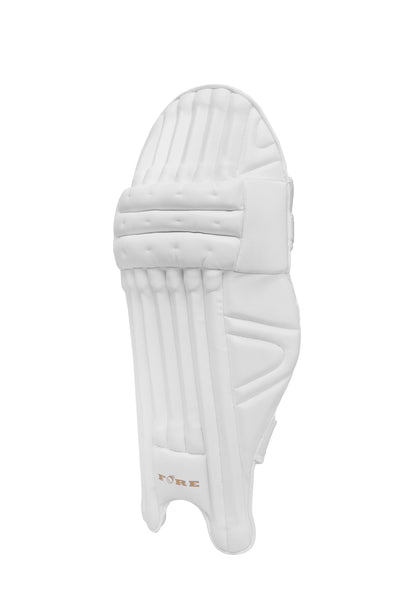 Premium Cricket Batting Pads£69.99
  Heavy Base Cricket Stumps£29.99 SalePremium White Batting Gloves£45.99£34.99 SaleWhite Cricket Batting Pads£55.99£44.99 SalePremium Cricket Helmet (Blue)£47.99£42.99 SaleWhite Thigh Pad - Large£42.99£34.99 SalePremium Black Batting Gloves£45.99£34.99 Premium Cricket Batting Pads£69.99 Heavy Base Cricket Stumps£29.99
Kashmir vs English Willow at a Glance
| Kashmir willow | English willow | |
| Feel and rebound | Solid but more muted | Livelier, more "ping" |
| Pick-up for juniors | Heavier for its size | Lighter for its size |
| Durability | More robust, forgiving | Softer, needs proper care |
| Knocking in and care | Minimal | Essential and more involved |
| Price | Low | Higher |
| Best ball type | Soft, tennis, tape and early hardball | Regular hardball (leather) |
| Best for | Beginners, young or fast-growing kids, casual play | Juniors in regular competitive hardball cricket |
What Is the Actual Difference?
Both willows come from the same tree, the white willow, Salix alba. English willow is the caerulea variety grown in England. Kashmir willow is grown in the Kashmir region of India, where the climate produces a denser, drier timber.
That density is the root of every practical difference. English willow is softer and more fibrous, so it compresses and springs back on impact, giving the clean "ping" and rebound that professional players rely on. Kashmir willow is harder and heavier, which makes it more durable but less lively. English willow is usually paler with clearer, darker grain lines; Kashmir willow tends to be browner with a less defined grain, though colour varies and is not a reliable quality test on its own.
Neither is a bad material. They suit different players, and for a junior the right answer depends far more on how and how often your child plays than on which willow is "better" in the abstract.
Which Willow Should Your Child Start With?
Start with Kashmir willow if your child is a beginner, plays mostly softball, tennis-ball or school cricket, or is growing quickly through sizes. Move to English willow once they play regular hardball (leather-ball) cricket for a club, academy or age-group side and have settled at a size for a season or more. Kashmir keeps the early cost down; English willow earns its price once performance and feel start to matter.
Two questions decide it:
- What ball do they play with? Soft, tennis or tape ball, or the very first steps in hardball, sits comfortably with Kashmir. Regular leather-ball cricket is where English willow's feedback and rebound start to help.
- Are they settled at a size? A child racing through sizes every 12 to 18 months rarely needs a premium bat they will outgrow before it is worn in. Once growth slows and they are committed to the game, English willow becomes worth it.
Why Weight and Pick-Up Matter More for Juniors
Because Kashmir willow is denser, a Kashmir bat is often heavier than an English willow bat of the same size. For an adult that difference is minor. For a junior who has not built much strength yet, it can be the difference between a bat they swing cleanly and one they have to haul through the shot.
Pick-up, how heavy the bat feels in the swing, matters more than the number on the scales. A young player generates bat speed mainly with the top hand, so a lighter-feeling bat helps them play straight and time the ball. This is a genuine point in English willow's favour for a developing hardball player, but it is also why a poorly chosen, heavy Kashmir bat can hold a child back. Whichever willow you choose, check your child can lift and swing it under control before you buy. Our junior cricket bat size guide explains the pick-up test in full.
The Growth Factor: What Makes Sense as Kids Change Sizes
Juniors outgrow bats. A child may move up a size roughly every one to two years, so a bat only has a limited window of use before it no longer fits, regardless of how well it is made.
That changes the value calculation. Spending a premium on English willow for a five-year-old who will need the next size up next summer is rarely money well spent. A modest Kashmir bat covers the early, fast-growing years at low cost. Once your child stops changing size every season and is playing seriously, a good English willow bat will last two to three seasons of regular use and is the better investment at that stage.
Softball vs Hardball: Match the Willow to the Cricket They Play
The ball your child faces is the clearest guide of all.
- Softball, tennis ball, tape ball, indoor and garden cricket: Kashmir willow is ideal. It handles knocks well, needs little preparation and costs little. There is no performance reason to buy English willow for softball cricket.
- Hardball (leather ball) club, academy or age-group cricket: English willow comes into its own. The softer willow gives cleaner feedback through the hands, which helps a young player learn how a well-timed shot should feel. Kashmir can face a hard ball, but it is less rewarding and less informative for a player trying to develop technique.
How Big Is the Performance Gap Really?
Smaller than its reputation suggests, but real. English willow gives a livelier rebound, a larger and lower sweet spot and better feel. A well-middled shot from a good Kashmir bat still travels, and the difference is barely noticeable in softball or casual play. Higher-grade Kashmir willow, in particular, closes much of the gap.
Where the gap does matter is for a developing hardball player. The feedback and rebound of English willow help a junior read the ball off the face and refine their timing, which is a coaching benefit as much as a power one. For a beginner still learning to make contact, that advantage is largely wasted, which is exactly why a beginner does not need it yet.
Both willows are graded, usually from Grade 1 down. Grade tells you about the willow's appearance and consistency more than a guaranteed jump in performance, so do not assume a low-grade English willow bat outperforms a good Kashmir one for a young player.
Durability and Maintenance
Kashmir willow is the more forgiving of the two. It is harder, less prone to cracking, and copes better with imperfect care and damp conditions, which is handy for kit that lives in a school bag or a garage.
English willow rewards care and punishes neglect. A new English willow bat must be knocked in before it faces a hard ball, a process of gradually compressing the face and edges with a mallet over several hours across multiple sessions. It also needs occasional light oiling and dry storage. Skipping the knock-in is the most common cause of a cracked English willow bat. If you or your child will not commit to preparing and looking after the bat, that is another point in Kashmir's favour for the early years.
When Should a Junior Upgrade from Kashmir to English Willow?
Upgrade when your child plays regular hardball cricket for a club, school or academy side, has settled at a size for a season or more, and is starting to rely on timing rather than brute force. At that point the feel and rebound of English willow genuinely support their development. Before then, a Kashmir bat does the job at a fraction of the cost.
When that moment comes, our junior English willow cricket bats are made specifically for developing hardball players, with pro-grade willow and a light junior pick-up. Size the player first, using the size guide, then match them to a bat.
How to Tell Kashmir and English Willow Apart (and Buy Safely)
If you are paying English willow prices, it is worth knowing what you are looking at.
- Colour and grain: English willow is usually paler with clearer, darker vertical grain lines. Kashmir willow is often browner with a less defined grain. This is a guide, not proof, because colour varies.
- Feel and weight: for the same size, Kashmir tends to feel a little heavier and firmer.
- Price: a genuine English willow bat at a suspiciously low price should raise a question. Very cheap "English willow" is sometimes mislabelled Kashmir.
Buy from a retailer that states the willow type and grade clearly and stands behind it. If a listing is vague about the material, ask before you buy.
Fore Sports Junior English Willow Options
Once your child is ready for English willow, Fore Sports' junior range is built for hardball cricket and sized by height, not age:
- Size 4 (around 144 to 150cm): the Hurricane English Willow Cricket Bat – Size 4 for juniors around 9 to 10.
- Size 5 (around 150 to 157cm): the Hurricane Size 5 junior English willow bat and the Tornado Size 5 English willow cricket bat. The Tornado has a higher sweet spot suited to front-foot, driving players; the Hurricane suits back-foot players.
- Harrow (around 163 to 168cm): the Hurricane Harrow English willow cricket bat for taller juniors moving towards senior cricket.
For a wider look at English willow across grades and sizes, see our guide to the best English willow cricket bats in the UK. Remember that any new English willow bat needs knocking in before match use.
Common Mistakes When Choosing Willow for a Junior
- Buying English willow for a beginner. The performance is wasted on a player still learning contact, and the money is better saved for when they need it.
- Ignoring pick-up on a Kashmir bat. Kashmir's density means some junior Kashmir bats feel heavy. Always check the swing.
- Assuming Kashmir is "bad." For softball and early cricket it is the sensible, correct choice, not a compromise.
- Paying premium prices without checking the willow. Know how to spot the difference and buy from a clear, reputable listing.
- Skipping the knock-in on English willow. The fastest way to crack a good bat.
Quick Decision Checklist
- Beginner or softball player? Start with Kashmir willow.
- Regular hardball cricket and settled at a size? Consider English willow.
- Growing quickly through sizes? Keep costs down with Kashmir for now.
- Checked the bat's pick-up and swing, whichever willow you choose?
- Willing to knock in and care for the bat if buying English willow?
- Sized the player by height first?