Size a junior cricket bat by height first, not age. Two children of the same age can differ by 15cm or more, so measure the player's height without shoes and match it to the chart below. Then check the bat is light enough for them to pick up and swing under control before you buy. Age is only a rough starting point.
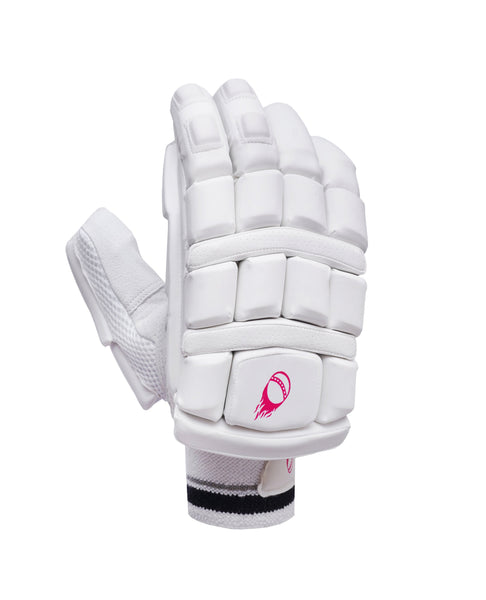 Premium White Batting Gloves£45.99£34.99 Sale
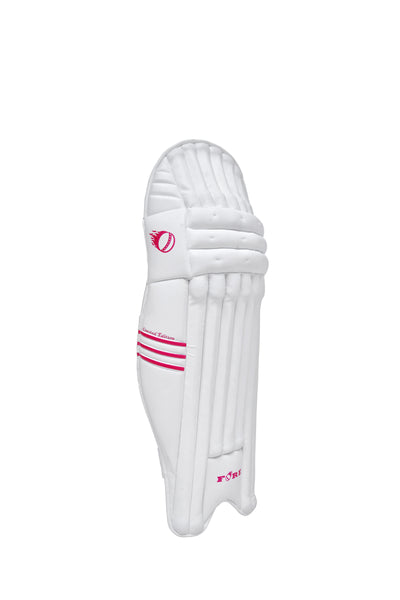 White Cricket Batting Pads£55.99£44.99 Sale
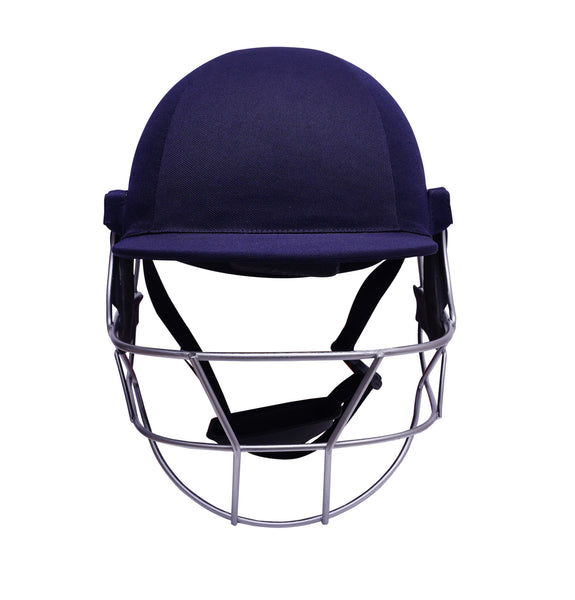 Premium Cricket Helmet (Blue)£47.99£42.99 Sale
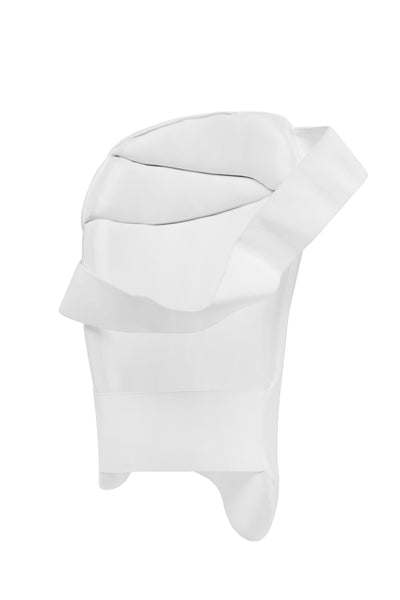 White Thigh Pad - Large£42.99£34.99 Sale
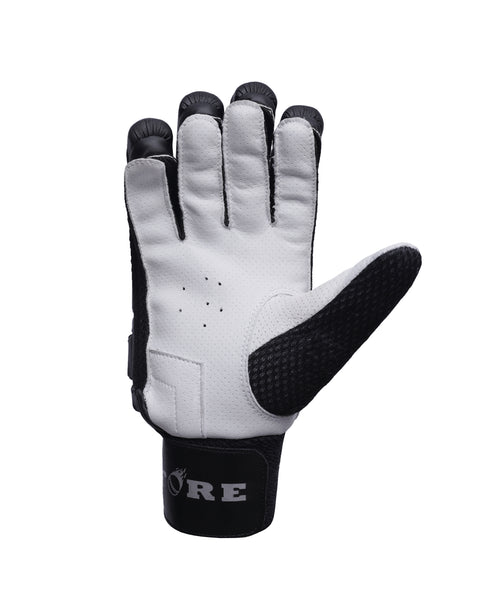 Premium Black Batting Gloves£45.99£34.99
  Premium Cricket Batting Pads£69.99
  Heavy Base Cricket Stumps£29.99 SalePremium White Batting Gloves£45.99£34.99 SaleWhite Cricket Batting Pads£55.99£44.99 SalePremium Cricket Helmet (Blue)£47.99£42.99 SaleWhite Thigh Pad - Large£42.99£34.99 SalePremium Black Batting Gloves£45.99£34.99 Premium Cricket Batting Pads£69.99 Heavy Base Cricket Stumps£29.99
Junior Cricket Bat Size Chart by Height
Measure the player standing straight, without shoes, then find their height in the chart. The size next to it is your starting point, not the final answer: always check the bat feels controllable in their hands before deciding.
| Bat size | Player height (cm) | Player height (ft/in) | Approx. age | Best for |
| Size 0 | Up to 122cm | Up to 4'0" | 3–4 | First bats and very young beginners (uncommon) |
| Size 1 | 122–129cm | 4'0"–4'3" | 4–6 | Young beginners, softball and Incrediball play |
| Size 2 | 129–137cm | 4'3"–4'6" | 6–7 | Developing juniors in school and club sessions |
| Size 3 | 137–144cm | 4'6"–4'9" | 8–9 | Junior club and school cricket |
| Size 4 | 144–150cm | 4'9"–4'11" | 9–10 | Junior club cricket, often moving into hardball |
| Size 5 | 150–157cm | 4'11"–5'2" | 10–12 | Junior hardball cricket, the most common transition size |
| Size 6 | 157–163cm | 5'2"–5'4" | 11–13 | Taller juniors not yet ready for a Harrow |
| Harrow | 163–168cm | 5'4"–5'6" | 12–14 | The bridge from junior to senior cricket |
| Short Handle (SH) | 168cm+ | 5'6"+ | 15+ / adult | Most adult and older-teenage players |
Sizing varies slightly between brands. These ranges reflect the mainstream UK standard, but manufacturers do not all agree to the exact centimetre, particularly around the Size 6, Harrow and Short Handle crossovers. Some brands run a Harrow up to around 5'8" (173cm) and start Short Handle nearer 5'9". Treat the chart as your guide, then confirm with the physical fit test further down, and check the individual bat if your child sits right on a boundary.
Why You Should Size a Junior Bat by Height, Not Age
Age is convenient, which is why so many parents search by it, but it is the least reliable way to size a bat. Children grow at very different rates. Two 11-year-olds in the same team can be a full bat size apart in height, so an age-only recommendation will fit one of them and be wrong for the other.
Height tells you what age cannot: how far the player can comfortably reach the ball and how long a blade they can swing without dropping their hands or crouching. A bat that matches their height sits naturally by their side and moves cleanly through the swing. Get the length right first, and everything else, from stance to timing, has a better chance of developing properly.
Use age only to sense-check. If the height chart points to a Size 5 and the child is 11, that fits the expected pattern. If the height points to a Size 4 but they are 12, trust the height.
What Size Cricket Bat Does My Child Need?
Measure their height without shoes, match it to the size chart, then check they can pick up and swing the bat under control. Height sets the starting size; the pick-up test confirms it. If they sit between two sizes, choose the shorter bat, because control matters more than reach at junior level.
In practice it is three steps:
- Measure their height standing straight against a wall, in socks or bare feet.
- Find the size on the height chart above. That is your starting point.
- Test it in their hands. Can they lift and swing it easily and keep the toe of the bat on the ground in their stance? If yes, the size is right. If it feels heavy or unwieldy, drop a size.
How to Measure Your Child for a Cricket Bat
You do not need any special equipment.
- Have them stand tall against a wall, heels flat, no shoes.
- Mark the wall level with the top of their head and measure from the floor in centimetres.
- Note the figure in both cm and feet/inches so you can use either version of the chart.
Measure every season. Juniors can grow several centimetres in a year, and the right size at the start of one summer is often a size too small by the next.
The Simple Bat Fit Test
Once you have a bat to try, two quick checks tell you almost everything.
The reach test. Stand the bat upright on its toe next to the player, handle pointing up. The top of the handle should reach roughly the top of their hip or thigh. If it reaches the waist or ribs, the bat is too long.
The pick-up test. Ask them to take their normal stance and hold the bat as they would at the crease. They should be able to lift it into a backlift and swing it through cleanly with the top hand doing most of the work, keeping the toe on the ground in their stance without leaning or over-gripping. If they have to haul it up, or the bottom hand takes over to control it, the bat is too heavy or too long for them right now.
A bat that passes both tests is the right one, whatever the number on the sticker.
What If My Child Is Between Two Cricket Bat Sizes?
If a child falls between two sizes, choose the shorter, lighter one. A bat they can control helps their timing and technique now, whereas a longer bat bought to grow into is harder to swing and can encourage habits like dropping the hands or crouching that are difficult to unlearn later.
There is some nuance. A strong, well-coordinated player near the top of a height band who already swings their current bat easily can sometimes handle the larger size. A lighter-built player, or one still working on technique, is almost always better served by the smaller bat. When in doubt, size down and let them grow into the next size properly next season.
Cricket Bat Size by Age
Age is only a rough guide. Children of the same age vary widely in height, so always confirm the size using your child's height and the fit test above. Use this table to sense-check, not to decide.
| Approx. age | Typical size (confirm by height) |
| 8 | Size 3 |
| 9 | Size 3–4 |
| 10 | Size 4–5 |
| 11 | Size 5–6 |
| 12 | Size 6 or Harrow |
| 13 | Size 6 or Harrow |
| 14 | Harrow, some into Short Handle |
What size cricket bat should a 10-year-old use?
Most 10-year-olds suit a Size 4 or Size 5, depending on height. Around 144–150cm points to a Size 4, and 150–157cm to a Size 5. Measure the child rather than relying on age, and check they can swing the bat comfortably.
What size cricket bat should an 11-year-old use?
Usually a Size 5, and a Size 6 for taller children. A player of 150–157cm takes a Size 5, while 157–163cm points to a Size 6. Confirm with the reach and pick-up tests before buying.
What size cricket bat should a 12-year-old use?
Commonly a Size 6 or a Harrow. Children around 157–163cm suit a Size 6, and taller ones from about 163cm move into a Harrow. Height decides it, not the birthday.
Size 4 vs Size 5 vs Size 6 Cricket Bats
This is where most junior parents are shopping, because it covers roughly ages 9 to 13 and the move into regular hardball cricket.
- Size 4 suits players around 144–150cm (about 4'9" to 4'11"). It is a genuine junior bat with a light pick-up for children still building strength.
- Size 5 suits players around 150–157cm (4'11" to 5'2"). It is the most common junior size and the one many players use as they step up to hardball cricket.
- Size 6 suits players around 157–163cm (5'2" to 5'4"). It is the last junior size before a Harrow, for taller children who are not yet ready for a bigger frame.
The jump between each size is small in length but noticeable in weight and pick-up. Do not move a child up early just because they have had a birthday. Move them up when their height reaches the next band and they can still swing the bigger bat cleanly.
When Should a Junior Use a Harrow Cricket Bat?
A Harrow suits juniors of roughly 163–168cm (about 5'4" to 5'6") who have outgrown a Size 6 but are not yet tall or strong enough for a full senior bat. It is a transitional size: a little shorter and lighter than a senior Short Handle, so a growing player keeps control while gaining power off the middle.
A Harrow differs from a Size 6 by being slightly longer with a fuller blade, which is why players often notice more power once they move up. The next step, the Short Handle, is the standard adult size and becomes appropriate from around 168cm (5'6") and above, once the player has the height and strength to swing a full-length bat without it slowing their pick-up.
If your child is at the top of the junior range, the Hurricane Harrow English willow cricket bat is built for exactly this transition, giving full English willow performance in a frame sized for a growing player.
Bat Length Isn't Everything: Check Weight and Pickup
Two bats of the same length and static weight can feel completely different in the hands. Static weight is what the bat reads on the scales. Pick-up is how heavy it feels when you lift and swing it, and it is governed by how the weight is distributed through the blade. A well-balanced bat with the mass in the right place feels lighter and moves faster than its scale weight suggests.
For juniors, pick-up matters more than a target weight. A young player needs to generate bat speed with the top hand, so a bat that feels light and swings quickly will always serve them better than a heavier one chosen for power they cannot yet use. There is no single correct weight for a given age. Let the pick-up test decide: if they can swing it cleanly and repeatedly under control, the weight is right. For more on matching weight and balance to a player, see our ultimate guide to cricket bat selection.
Should You Buy a Bigger Cricket Bat for Your Child to Grow Into?
No. Buy the size that fits now. An oversized bat is harder to lift and swing, which slows a child's bat speed and can push them into compensations, dropping the hands, crouching or over-using the bottom hand, that are difficult to correct once they set in. Junior bats are far less expensive than senior ones, so replacing a bat as your child grows is the better investment in their game.
The instinct to "get one to grow into" makes sense for shoes or a coat. It works against you with a cricket bat, where control is the whole point.
English Willow or Kashmir Willow for Junior Players?
Both willows work well when the bat is the right size. The right choice depends on how much and how seriously your child plays.
- Kashmir willow is denser and harder-wearing, and it costs less. It is a sensible choice for beginners, occasional players and children who are growing quickly through sizes, where value and durability matter more than top-end performance.
- English willow is softer, more responsive and lighter for its size, giving better feel and power off the middle. It makes sense for juniors playing regular competitive hardball cricket, in club, academy or county age-group programmes, who can benefit from the extra performance and feedback as their technique develops.
There is no need to buy English willow for a child's first summer of softball or garden cricket. Once they are in regular hardball fixtures and settled at a size for a season or more, the upgrade is worth considering. You can compare both in our junior English willow cricket bats range and our wider English willow cricket bat collection. Remember that any new English willow bat needs knocking in before match use.
Recommended Fore Sports Junior English Willow Bats by Size
Size the player first using the chart and fit test, then match them to a bat. Fore Sports' junior English willow range runs from Size 4 to Harrow, so a player in the Size 6 height band who wants English willow either stays on a Size 5 if they are at the lower end, or looks at the Harrow once they are tall enough for it. Do not size up into a Harrow early to fill the gap.
- Size 4 (around 144–150cm): the Hurricane English Willow Cricket Bat – Size 4 suits juniors around 9 to 10 who play regular club or hardball cricket and want genuine English willow feel in a light junior frame.
- Size 5 (around 150–157cm): the Hurricane Size 5 junior English willow bat and the Tornado Size 5 English willow cricket bat both cover the most common junior size. The Hurricane profile favours back-foot players; the Tornado has a higher sweet spot suited to front-foot, driving players. Choose on playing style once the size is settled.
- Harrow (around 163–168cm): the Hurricane Harrow English willow cricket bat is the transitional bat for taller juniors who have outgrown a Size 6 but are not ready for a senior Short Handle.
For a broader look at English willow options across sizes, see our guide to the best English willow cricket bats in the UK.
Common Junior Cricket Bat Sizing Mistakes
- Choosing by age alone. The single most common error. Always confirm with height.
- Buying too big to grow into. It costs the child control now for a saving that a junior bat's low price does not justify.
- Ignoring pick-up. A bat can be the right length and still be too heavy to swing well. Test the swing, not just the scales.
- Confusing length with suitability. The correct number on the sticker still needs to pass the fit test in that child's hands.
- Jumping to a senior bat too early. A Short Handle before around 5'6" usually slows the pick-up and widens the stance.
- Not checking brand-specific sizing. Where a child is on a boundary, one brand's Size 5 may fit better than another's. Check the individual bat.
Quick Parent Checklist
- Measured the player's height without shoes
- Found the starting size on the height chart
- Used age only as a sense-check
- Reach test: handle reaches hip or thigh, not the waist
- Pick-up test: they can swing it cleanly and keep the toe down in their stance
- Chosen the shorter size if between two
- Matched willow type to how often and how seriously they play
- Planned to knock in any new English willow bat before match use