For a first hard-ball season, your child needs a helmet, batting pads, batting gloves, a bat that fits and, for boys, an abdominal guard (box). Everything else is either club-provided, optional or can wait.
|
Item |
Must-have? |
Why |
Typical UK price |
|
Helmet with faceguard |
Required by rule |
Under-18s must wear one whenever they bat against a hard ball |
£35 to £70 |
|
Abdominal guard (box) |
Required for boys |
Male under-18s must wear one whenever a helmet is required |
£5 to £15 |
|
Batting pads |
Must-have |
Protect shins and knees from a hard ball |
From £39.99 |
|
Batting gloves |
Must-have |
Hands are the most injured body part in cricket |
From £31.99 |
|
Bat |
Must-have, though clubs often lend |
Sized to height; English willow for hard ball |
£50 to £250 |
|
Cricket shoes |
Must-have |
Grip on grass; rubber soles or studs |
£25 to £60 |
|
Whites or club kit |
Usually required for matches |
Check your club's colours first |
£30 to £60 |
|
Thigh pad |
Recommended |
The thigh is the second most common injury site |
From £29.99 |
|
Kit bag |
Recommended |
Keeps everything together |
£20 to £40 |
|
Neck protector |
Strongly advised |
Clips to the helmet to protect the back of the neck |
£10 to £20 |
|
Arm guard |
Optional |
Useful against quicker bowling, usually from older age groups |
£10 to £20 |
|
Inner gloves |
Optional |
Absorb sweat and add comfort |
£5 to £10 |
|
Cap or sunhat, sun cream, water bottle |
Must-have |
Summer sessions can run for hours |
£10 to £20 |
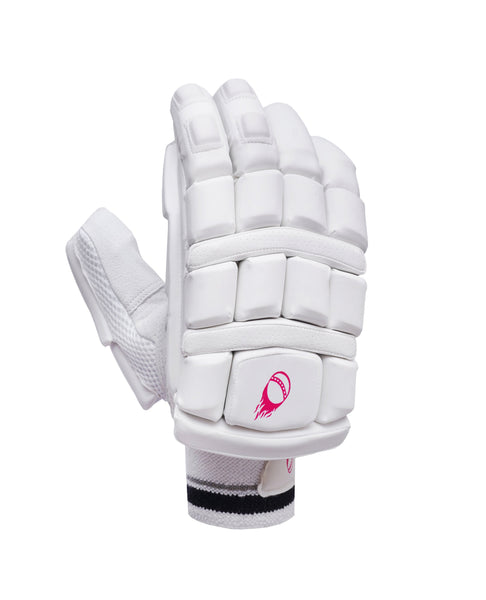 Premium White Batting Gloves£45.99£34.99 Sale
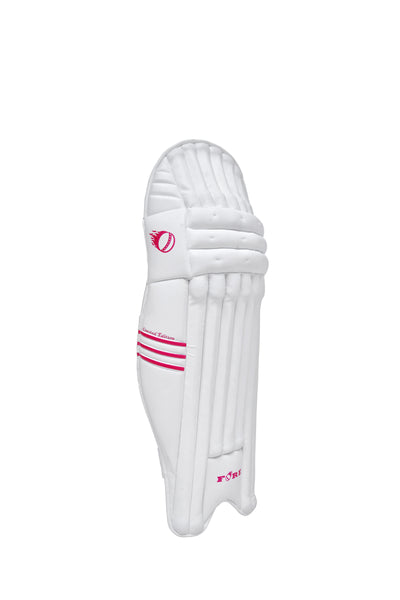 White Cricket Batting Pads£55.99£44.99 Sale
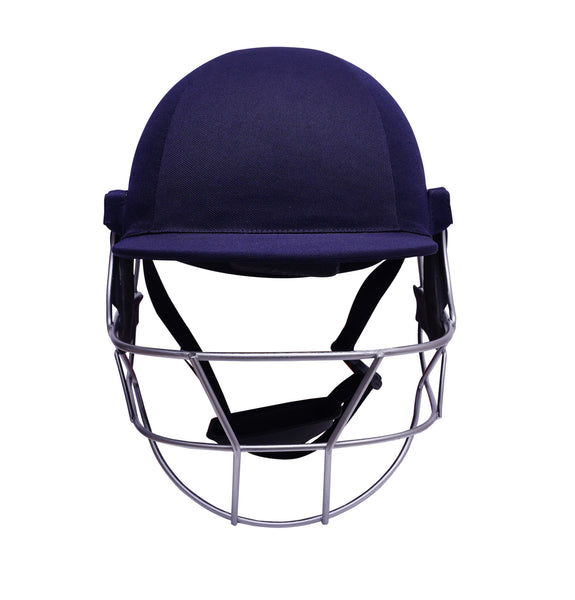 Premium Cricket Helmet (Blue)£47.99£42.99 Sale
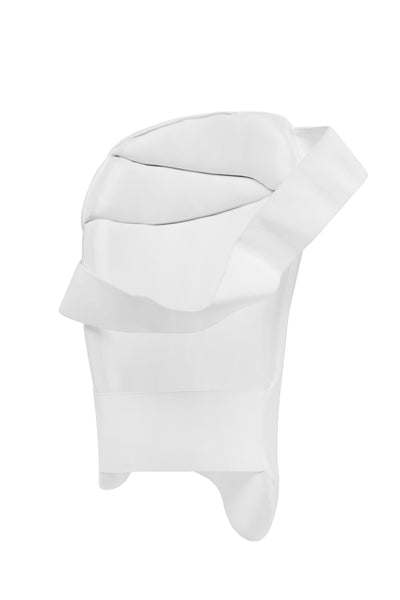 White Thigh Pad - Large£42.99£34.99 Sale
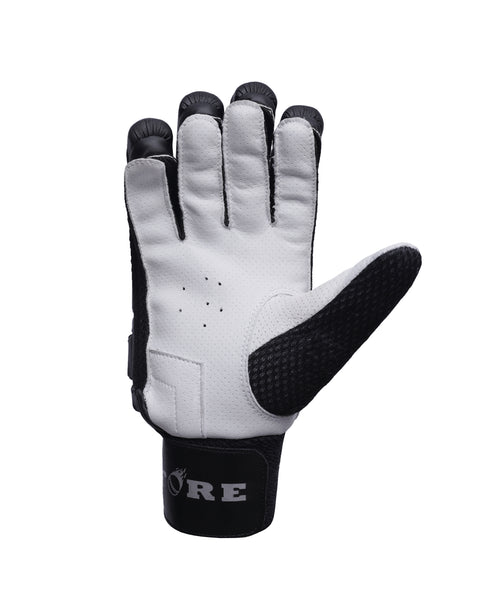 Premium Black Batting Gloves£45.99£34.99
 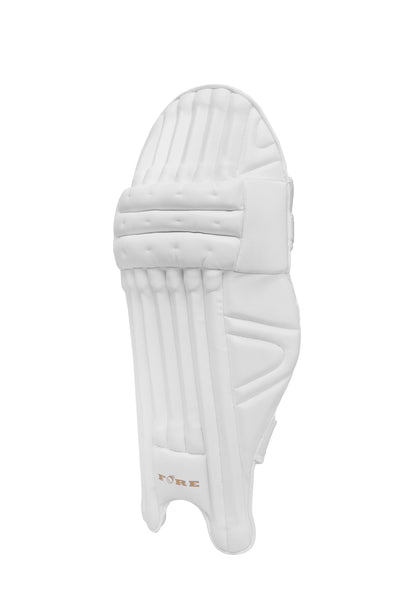 Premium Cricket Batting Pads£69.99
 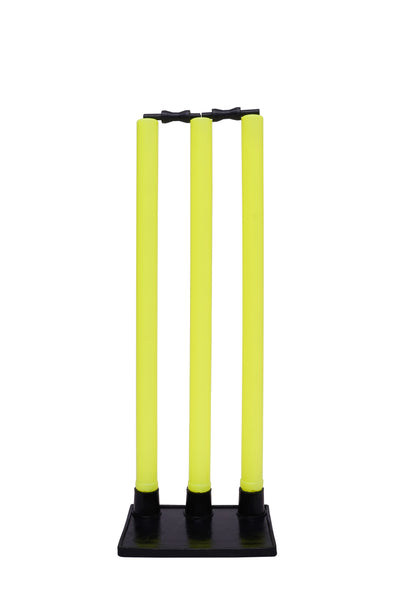 Heavy Base Cricket Stumps£29.99 SalePremium White Batting Gloves£45.99£34.99 SaleWhite Cricket Batting Pads£55.99£44.99 SalePremium Cricket Helmet (Blue)£47.99£42.99 SaleWhite Thigh Pad - Large£42.99£34.99 SalePremium Black Batting Gloves£45.99£34.99 Premium Cricket Batting Pads£69.99 Heavy Base Cricket Stumps£29.99
Safety essentials: what the rules say your child must wear
Under the safety regulations for recreational cricket in England and Wales, every player under 18 must wear a helmet with a faceguard or grille when batting against a hard ball, in matches and in practice. Boys must also wear a box whenever they're required to wear a helmet. These aren't recommendations; clubs are expected to enforce them.
Helmet
A helmet with a faceguard is required when your child:
- bats against a hard ball, in a match or in the nets, including against a bowling machine;
- keeps wicket standing up to the stumps (a wicketkeeping face protector is the alternative);
- is aged 16 or 17 and fields within 8 yards of the batter.
What to check before you buy:
- BS 7928:2013 certification. It should be marked on the helmet and stated by the seller. If you can't confirm it, don't buy it.
- The ball it was tested against. Helmets are tested against a junior ball, a senior ball or both. Choose one tested against the ball your child plays with. If they play in adult teams, or with the women's and girls' ball, choose one tested against both junior and senior balls.
- A neck protector. These clip to the back of the helmet and protect the upper neck. They're strongly advised whenever a helmet is worn.
- The fit. Measure around the head just above the eyebrows. The helmet should sit level about a finger's width above the eyebrows and not move when your child shakes their head.
Replace any helmet after a hard blow to the shell or grille, even if you can't see any damage.
Abdominal guard (box)
Boys under 18 must wear a box whenever they're required to wear a helmet. A box only works if it sits flush, so buy a junior size and pair it with a jockstrap or compression shorts with a pocket. Girls can wear a female abdominal guard, which isn't compulsory but gives worthwhile protection.
Buy your child their own box. It's not something to borrow from the club bag.
Batting pads
Pads should cover from just above the ankle to roughly three fingers above the kneecap. Too long and they get in the way of running; too short and the knee is exposed. Most children starting hard-ball cricket fit Youth pads. Our youth batting pads start at £39.99.
|
Pad size |
Typical age |
Height |
|
Youth |
10 to 13 |
137 to 150cm |
|
Small Men's / Boys' |
13 to 15 |
150 to 165cm |
Batting gloves
Hands are the most commonly injured part of the body in cricket, so gloves matter. Choose junior-specific gloves rather than small adult ones. The fingers should reach the end of each glove with only a couple of millimetres to spare. Our junior batting gloves are £31.99.
|
Glove size |
Typical age |
Hand length |
|
Boys' Small |
7 to 9 |
16 to 17cm |
|
Boys' |
9 to 11 |
17 to 18cm |
|
Youth |
11 to 13 |
18 to 19cm |
The bat: size, willow and preparation
Many clubs keep junior bats in a shared kit bag, so ask before buying one for a first season. When you do buy, three things matter.
Size by height, not age. If your child is between sizes, choose the smaller one. A bat that's too long or heavy forces them to drag it through the shot and builds bad habits.
|
Bat size |
Typical age |
Height |
|
Size 4 |
9 to 10 |
144 to 150cm |
|
Size 5 |
10 to 11 |
150 to 157cm |
|
Size 6 |
11 to 13 |
157 to 163cm |
|
Harrow |
12 to 15 |
163 to 168cm |
English willow for hard ball. Kashmir willow bats are fine for softball but aren't built for a leather ball. For a first hard-ball season, an entry-level English willow bat is enough. Save higher-grade bats for juniors already in district, county or academy squads.
Knock it in before use. A new English willow bat needs oiling and several hours of knocking in with a mallet before it faces a hard ball. Skipping this is the most common reason a new bat cracks.
Our junior English willow bats, including the Hurricane size 4, size 5 and Harrow, are built for juniors already playing regular hard-ball cricket.
Extra protection worth adding
None of these is compulsory, but each is worth considering once your child is facing quicker bowling.
Thigh pad
The thigh is the second most common injury site in recreational cricket, so a thigh pad is the first extra to buy. It straps to the front thigh of the leading leg (the left leg for a right-hander). Our thigh pads start at £29.99 in a small size.
Arm guard
An arm guard protects the forearm of the leading arm. Most juniors don't need one until they face quicker bowling in older age groups, around under-13s and up.
Inner gloves
Thin cotton gloves worn under batting gloves. They soak up sweat, keep the batting gloves fresher and make a long innings more comfortable. Cheap, and a nice extra rather than a must.
Chest guard
Chest guards protect the ribs against fast short-pitched bowling. They're rarely needed in junior cricket and are usually worn by older teenagers playing in adult teams.
If your child keeps wicket
Wicketkeepers need their own kit: keeping gloves, inner gloves, keeping pads and a box for boys. Standing up to the stumps, they must also wear a helmet with a faceguard or a wicketkeeping face protector. Clubs often lend keeping gloves and pads to juniors trying the position.
Clothing and footwear
Check with your club before buying any clothing. Many junior sections play in coloured club shirts rather than whites, and some sell their own kit.
- Whites or club kit. If whites are needed, a white shirt and white trousers are enough. A sleeveless or long-sleeved white jumper helps on cold spring evenings.
- Cricket shoes. Rubber-soled cricket shoes work on most junior surfaces. Spikes or studs give better grip on wet grass but aren't essential in a first season, and some indoor and artificial surfaces don't allow them.
- Cap or sunhat. Fielding sessions can be long. A cap or wide-brim hat plus sun cream is basic kit.
- Socks. Thick sports socks stop pads and shoes rubbing.
- Base layer. A thermal top under the shirt makes early-season training far more bearable.
Kit bag and extras
A kit bag keeps everything in one place and teaches your child to pack their own kit. A junior duffle bag with a bat sleeve is plenty for a first season; wheeled bags are worth it once the kit gets heavy.
Also pack:
- A water bottle and snacks for long sessions
- A bat cover to keep the bat dry
- A small towel
- A spare pair of socks
Label everything with your child's name. Junior kit bags at a club look remarkably alike.
What a junior cricket kit costs
A safe first hard-ball kit costs roughly £150 to £250 if the club lends a bat, and £300 to £450 for a full kit of your own with an entry-level bat. Junior kit is outgrown every season or two, so buy the right size now rather than something to grow into.
|
Kit level |
What's included |
Approximate total |
|
Essentials, club bat |
Helmet, box, pads, gloves, shoes, cap |
£150 to £250 |
|
Full first-season kit |
Essentials plus own bat, thigh pad, whites and bag |
£300 to £450 |
|
Pathway player |
Full kit with a higher-grade English willow bat and neck protector |
£400 to £650 |
What the club usually provides
Most junior sections keep a shared kit bag with bats, pads, gloves and sometimes helmets for beginners. Balls and stumps are always provided. Ask your coach what's available before you buy, but expect to provide these yourself:
- A box. Always your child's own.
- A helmet. Fit and hygiene matter, and a shared helmet may not be the right size or tested against the right ball.
- Shoes and clothing.
The best order to buy in is helmet and box first, then gloves and pads, then a bat once your child is sure they'll stick with the game.
Sizing and buying mistakes to avoid
- Buying sizes to grow into. Pads that are too long trip them up, gloves that are too big slip on the handle, and a helmet that moves gives poor protection. Buy for the size they are now.
- Buying a helmet without checking the standard. Confirm BS 7928:2013 certification and which ball it was tested against before you pay.
- Forgetting the box until match day. It's required for boys whenever they bat in a helmet, including in the nets.
- Using softball pads against a hard ball. Pads made for soft or tape balls don't have enough padding for a leather ball.
- Spending big on the bat first. Protection comes first. A club bat is fine for a first season.
- Skipping the neck protector. It's inexpensive and strongly advised whenever your child wears a helmet.
- Leaving kit damp in the bag. Air pads, gloves and helmet after every session to stop them smelling and breaking down.
- Not knocking in a new bat. A new English willow bat needs oiling and knocking in before it faces a hard ball.