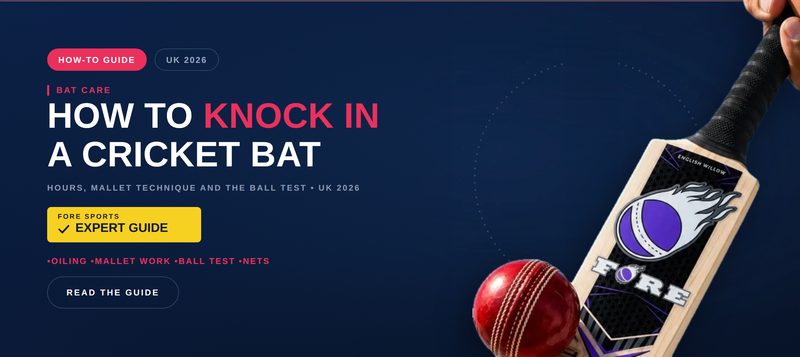
To oil a cricket bat, rub about a teaspoon of raw linseed oil thinly into the face, edges and toe with your fingers or a soft cloth. Keep it off the splice, handle and stickers. Lay the bat flat, face up, for 24 hours. A new bat needs two or three coats before knocking in, then one light coat at the start and end of each season.
|
Situation |
Coats |
Amount per coat |
|
New bat, before knocking in |
2 to 3, 24 hours apart |
About 1 teaspoon |
|
During knocking in |
1 light coat |
A few drops |
|
Start of season |
1 |
About 1 teaspoon |
|
Mid-season |
Only if the face looks dry or pale |
A few drops |
|
End of season, before storage |
1 light coat |
A few drops |
The most common mistake isn't using too little oil. It's using too much. An over-oiled bat gets heavier, softer and deader off the middle.
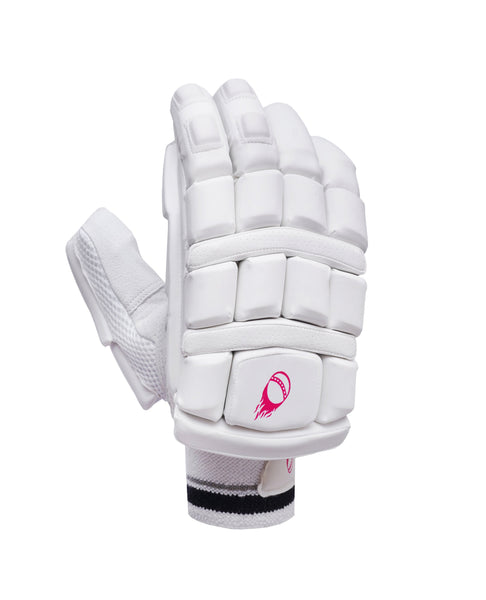 Premium White Batting Gloves£45.99£34.99 Sale
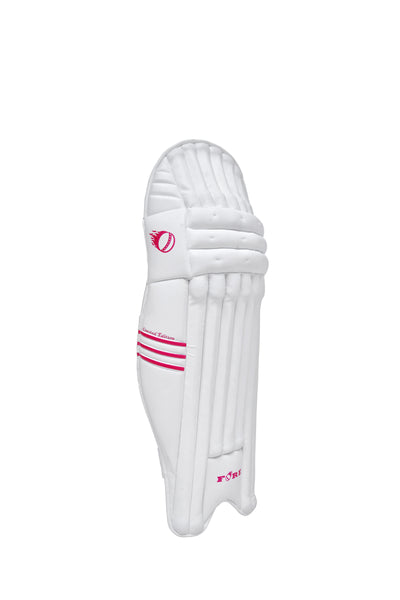 White Cricket Batting Pads£55.99£44.99 Sale
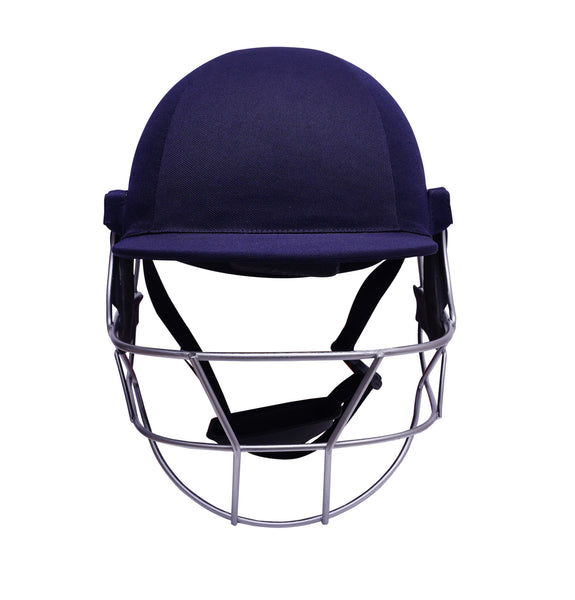 Premium Cricket Helmet (Blue)£47.99£42.99 Sale
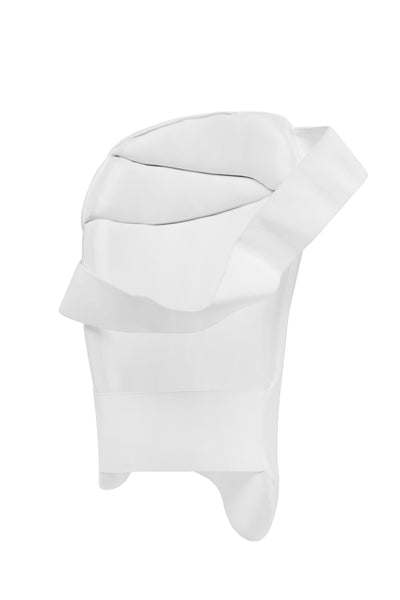 White Thigh Pad - Large£42.99£34.99 Sale
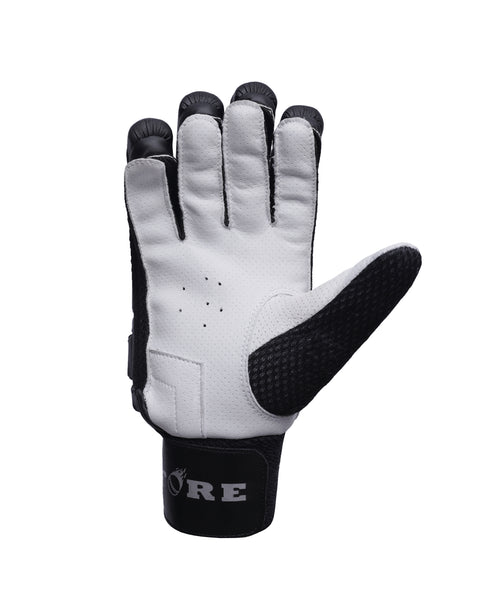 Premium Black Batting Gloves£45.99£34.99
 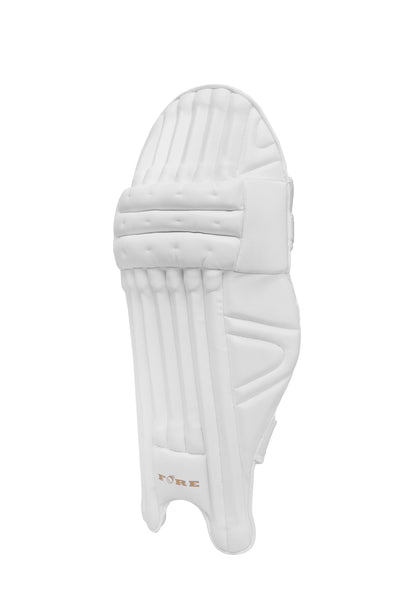 Premium Cricket Batting Pads£69.99
 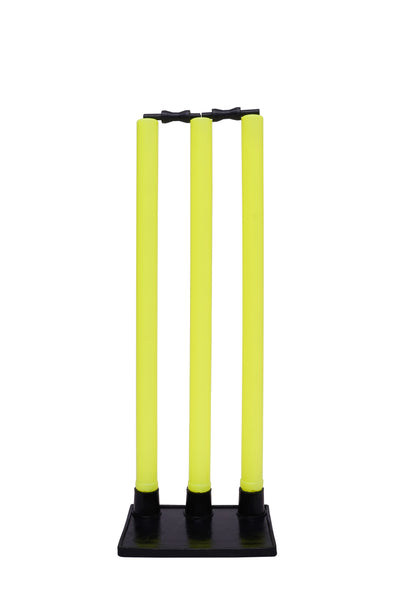 Heavy Base Cricket Stumps£29.99 SalePremium White Batting Gloves£45.99£34.99 SaleWhite Cricket Batting Pads£55.99£44.99 SalePremium Cricket Helmet (Blue)£47.99£42.99 SaleWhite Thigh Pad - Large£42.99£34.99 SalePremium Black Batting Gloves£45.99£34.99 Premium Cricket Batting Pads£69.99 Heavy Base Cricket Stumps£29.99
Why oil a cricket bat?
Oil keeps the surface of the willow supple. Modern bats are dried hard during manufacture, and dry willow fibres crack and split when a hard ball hits them. A light coat of oil lets the fibres flex and knit together, which helps the bat take the impact, especially while you're knocking it in.
Oil doesn't make a bat hit further, and more oil doesn't mean more protection. Its job is to stop the surface drying out.
Which bats need oiling?
|
Bat |
Does it need oil? |
|
New English willow bat with a natural face |
Yes, 2 to 3 coats before knocking in |
|
Bat sold pre-oiled |
Usually only a light top-up when the face looks dry |
|
Bat with a clear protective face sheet |
Not on the covered area; oil the exposed edges and toe |
|
Kashmir willow bat |
Less than English willow; follow the maker's instructions |
|
Older bat that looks pale and dry |
Yes, a light sand and one coat |
If you're not sure whether your bat is pre-oiled, look at the face. Raw, untreated willow looks pale and dry. An oiled face has a slightly darker tone and smells faintly of linseed.
Raw linseed oil for cricket bats: why raw, not boiled
Use raw linseed oil. It dries very slowly, so it soaks into the willow and keeps the fibres flexible rather than forming a hard skin on top.
|
Oil |
Use on a cricket bat? |
Why |
|
Raw linseed oil |
Yes |
Slow-drying; soaks in and keeps the willow supple |
|
Cricket bat oil |
Yes, if it's raw linseed |
Most "cricket bat oil" is raw linseed in a small bottle, sometimes with a mild conditioner |
|
Boiled linseed oil |
No |
Contains drying agents that make it set quickly into a hard film, which stops it soaking in and can make the surface brittle |
|
Bat wax |
As a top layer, not instead of oil |
Sits on the surface as a water-resistant barrier; it doesn't condition the willow underneath |
Buying the right bottle
Check the label for the word "raw". DIY shops often stock boiled linseed oil for garden furniture, and the two bottles can look almost identical. A bottle sold as cricket bat oil is the safest choice, and 100ml lasts several seasons for one bat.
Cricket bat oiling guide: step by step
What you need
- Raw linseed oil
- A soft, lint-free cotton cloth, or just your fingers
- Fine sandpaper (180 to 200 grit), for older bats only
- A flat surface where the bat can lie undisturbed for 24 hours
How to oil a cricket bat
- Prepare the face. On a new bat, just make sure the face is clean and dry. On an older bat, peel off any worn face sheet and lightly sand the face, edges and toe along the grain to remove dirt and old residue.
- Measure the oil. Pour about a teaspoon (5ml) of raw linseed oil onto the face of a senior bat. Use a little less for a junior bat.
- Spread it thinly. Rub it in with your fingers or the cloth, working along the grain. Cover the face first, then the edges and the toe. Fingers let you feel when the willow has taken enough.
- Avoid the no-go areas. Keep oil off the splice (the V where the handle meets the blade), the handle, the grip and the stickers. The back needs little or no oil.
- Wipe off any excess. If the face looks wet or oil pools anywhere, wipe it away. A thin, even sheen is all you want.
- Lay it flat to dry. Place the bat flat, face up, at room temperature for 24 hours. Don't stand it upright, or oil will run down and soak into the toe.
- Repeat if needed. For a new bat, apply two or three coats in total, 24 hours apart, before you start knocking in.
Why amounts vary so much online
You'll see advice from "a few drops" to "two tablespoons". It depends on the bat and the stage. A dry new bat absorbs more on its first coat than a pre-oiled bat absorbs in a whole season. A teaspoon per coat for a new senior bat, and a few drops for top-ups, is a safe middle. If oil is still sitting on the surface after an hour, you've used too much.
Dispose of oily cloths safely
Linseed oil gives off heat as it dries, and a screwed-up oily cloth can heat itself enough to catch fire. UK fire services regularly warn about this. Hang used cloths flat outdoors to dry, or seal them in a metal tin with water, and never leave them in a bin, bag or box indoors.
How often should you oil a cricket bat?
Oil a new bat two or three times before knocking in, then once at the start and once at the end of each season. In between, oil it only when the face looks dry or pale. For most bats that adds up to five or six light coats in the first year, and two or three a year after that.
New bat
Two or three coats, 24 hours apart, before you start knocking in. Add one more light coat about halfway through knocking in, once you've done two or three hours with the mallet.
During the season
Don't oil on a schedule. Look at the bat every few weeks instead. If the exposed willow on the face, edges or toe looks pale, dry or slightly furry, give it a few drops. If it still looks slightly darker and smells of linseed, leave it alone.
End of season
Before you put the bat away for winter, wipe it clean, check for cracks, and give the exposed willow one light coat. Store it indoors in a cover, away from radiators and out of damp garages and car boots.
Start of next season
Lightly sand the face if it's dirty or the old face sheet is coming off, then apply one coat and let it dry for 24 hours before nets.
Bats with a protective face sheet
The sheet seals the face, so don't oil under or over it. Oil only the exposed willow, usually the edges and toe, when they look dry. If you replace the sheet, oil the bare face first and let it dry fully before fitting the new one.
Substitute for linseed oil on a cricket bat
The only true substitute is flaxseed oil. Linseed and flaxseed are the same plant, and pure cold-pressed flaxseed oil from a health-food shop is essentially raw linseed oil. It costs more per bottle, but it works. Everything else is a compromise or a mistake.
|
Alternative |
Verdict |
Why |
|
Pure flaxseed oil |
Fine |
The same oil as raw linseed. Check it has no added flavourings or supplements. |
|
Bat wax |
Fine as a top layer |
Protects the surface from moisture but doesn't condition the willow. Use it over oil, not instead of it. |
|
Tung oil |
Not recommended |
A drying oil, but it sets harder than linseed and isn't traditional for bats. |
|
Olive, vegetable, sunflower or coconut oil |
Avoid |
These never dry properly. They can stay tacky, attract dirt and go rancid in the wood. |
|
Boiled linseed oil |
Avoid |
Drying agents make it set into a hard film instead of soaking in. |
|
Mineral oil, baby oil, petroleum jelly |
Avoid |
Petroleum-based; they sit in the wood without conditioning it. |
|
Furniture polish or wood oil blends |
Avoid |
Often contain solvents, silicones or driers not made for bat willow. |
If you've run out mid-season and the bat looks only slightly dry, the best substitute is simply waiting a few days for proper raw linseed oil. A bat won't come to harm from missing a top-up for a week.
Oiling mistakes and how to fix them
Signs you've over-oiled your bat
- The bat feels noticeably heavier than when you bought it.
- The face looks dark, wet or patchy a day after oiling.
- The surface feels tacky or spongy rather than firm.
- The ball comes off the middle with a dull thud instead of a ping.
- The toe looks dark and swollen, often because the bat was stood upright while wet.
The fix: stop oiling. Wipe off anything sitting on the surface, then leave the bat flat in a warm, dry room (not next to a radiator) for a few weeks. Most of the excess will slowly dry out. A bat that's been soaked repeatedly may never fully recover its ping.
Other common mistakes
- Oiling the splice or handle. Oil can weaken the glue where the handle joins the blade. Keep it below the splice.
- Oiling over stickers. It can lift the adhesive and stain the sticker.
- Using boiled linseed oil. It sets hard on the surface instead of soaking in.
- Standing the bat up to dry. Oil runs down and soaks into the toe, the part most likely to split.
- Oiling on a schedule. Oil when the bat looks dry, not because a few weeks have passed.
- Skipping oil on a new natural-face bat. Knocking in dry willow raises the risk of surface cracks.
- Leaving oily cloths in a bin indoors. Hang them outside to dry, or seal them in a metal tin with water.