The best cricket bat mallet for most players is a plain hardwood mallet costing £7 to £15. It does the main job of knocking in faster than a ball-style mallet, and you don't need anything dearer to prepare a club bat properly.
|
Mallet type |
Best for |
Typical UK price |
|
Hardwood (beech, babool, mulberry, ash) |
The main knock-in, face and edges |
£7 to £21 |
|
Ball-style (leather ball on a handle) |
A gentle start and a final pass that feels like a real ball |
£5 to £15 |
|
Rubber or nylon |
Rarely needed; too soft to compress willow efficiently |
Varies |
|
Lignum vitae |
Bat makers and enthusiasts finishing a bat |
Specialist and handmade |
If you buy one mallet, buy hardwood. If you buy two, add a cheap ball-style mallet for the first and last sessions. A lignum vitae mallet is a lovely thing to own, but it won't make your bat score more runs.
Every unprepared English willow bat needs knocking in before it faces a hard ball, so a mallet is the first thing to buy after the bat.
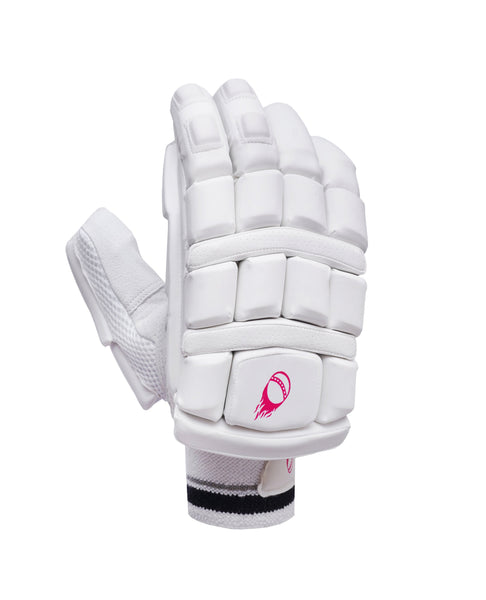 Premium White Batting Gloves£45.99£34.99 Sale
 White Cricket Batting Pads£55.99£44.99 Sale
 Premium Cricket Helmet (Blue)£47.99£42.99 Sale
 White Thigh Pad - Large£42.99£34.99 Sale
 Premium Black Batting Gloves£45.99£34.99
 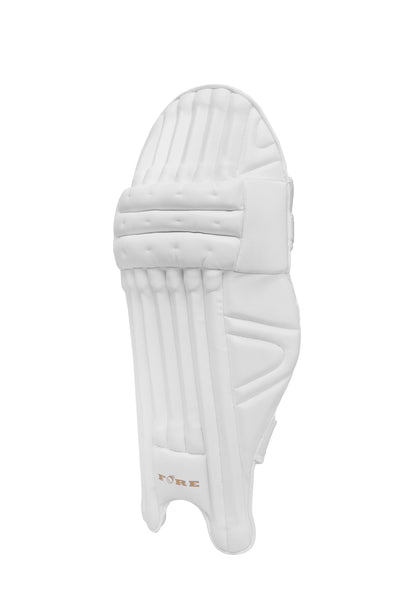 Premium Cricket Batting Pads£69.99
  Heavy Base Cricket Stumps£29.99 SalePremium White Batting Gloves£45.99£34.99 SaleWhite Cricket Batting Pads£55.99£44.99 SalePremium Cricket Helmet (Blue)£47.99£42.99 SaleWhite Thigh Pad - Large£42.99£34.99 SalePremium Black Batting Gloves£45.99£34.99 Premium Cricket Batting Pads£69.99 Heavy Base Cricket Stumps£29.99
Types of cricket bat mallet
Every knocking-in tool does the same job: it compresses the soft fibres on the face, edges and toe of an English willow bat so they can take a hard ball without cracking. What changes is how hard and how quickly each tool does it.
Hardwood mallets
A solid wooden head, usually beech, babool, ash or mulberry, on a short handle. This is the standard tool, and bat makers widely regard it as the best option. A hardwood mallet compresses willow faster than a ball-style mallet, so the job takes less time.
Most hardwood mallets have a flat face for the blade and a rounded or angled side for the edges. Weight varies a lot. Heavy-duty mallets can weigh close to a kilogram, while lighter ones are easier to control over long sessions.
Ball-style mallets
A leather or composite ball fixed to a handle. They strike more like a real cricket ball, so they're useful for the gentle first session and for a final pass. They're slower than hardwood for the main work.
Rubber and nylon mallets
General workshop mallets with a softer, bouncier head. They won't damage a bat, but they absorb much of the blow, so knocking in takes longer. Few cricket brands make one.
Lignum vitae mallets
The densest commercially traded timber, made into a heavy, compact mallet. Bat makers use them to test and finish bats. Covered in full below.
An old ball in a sock
The traditional free option. It works but it's slow, and it's best kept for the last stage before using the bat in the nets.
Knocking-in machines
Retailers and bat makers use machines that strike the bat thousands of times, often finished by hand. If you'd rather not knock in at all, buying a bat with this preparation already done is the alternative to any mallet.
Wooden vs nylon bat mallet: which is better?
Wooden is better for knocking in a cricket bat. A hardwood head is firm enough to compress willow efficiently. A nylon or rubber head bounces and absorbs part of each blow, so the same job takes noticeably longer.
|
Wooden (hardwood) |
Nylon or rubber |
|
|
Compression per strike |
Firm, efficient |
Softer, much of the blow absorbed |
|
Time to knock in a bat |
Normal |
Longer |
|
Risk of denting the face |
Low with sensible force |
Very low |
|
Made for cricket |
Yes, by most bat brands |
Rarely; mostly workshop tools |
|
Price |
£7 to £21 |
Varies; sold as workshop tools |
A rubber or nylon mallet won't damage a cricket bat, but wood does the job better. A softer mallet only makes sense when you deliberately want a lighter blow. That's its one useful role: very light taps on the edges and toe in the first session, if you don't own a ball-style mallet.
With decent wooden mallets selling for under £10, there's little reason to go looking for a nylon one.
Never use a hammer
A claw hammer or steel-headed mallet has a small, hard striking face. It dents the willow rather than compressing it evenly, and it can crack a new bat. Use a mallet made for the job.
Lignum vitae mallets: are they worth it?
For most players, no. A lignum vitae mallet is a specialist finishing tool that bat makers and preparation services use. It does nothing for a club bat that a £10 hardwood mallet can't do, given a little more time.
What lignum vitae is
Lignum vitae is the heartwood of trees in the Guaiacum genus, and it's the densest wood traded, at around 1,260kg per cubic metre. That density packs a lot of mass into a small head, so each strike compresses willow firmly and evenly.
Who uses them
Traditional bat makers strike finished bats with a lignum vitae mallet to test how they perform before they leave the workshop. Some professional knocking-in services also finish bats by hand with a heavy lignum vitae mallet after machine knocking.
The downsides
- Easy to overdo. A dense, heavy head can dent a soft English willow face if you hit too hard too early. Experienced bat makers tend to say most players don't need one, and that in the wrong hands it can ruin a bat. Those who own one often keep it for the final stages only.
- Hard to find. Few cricket shops stock them. Most are handmade by small makers or bought second-hand.
- A protected timber. International trade in all Guaiacum species is controlled under CITES Appendix II. Buy from a seller who can tell you where the wood came from.
- Not always the real thing. The name is also used loosely for other dense hardwoods. Ask what species the head is made from.
When one makes sense
If you prepare several bats a season, help knock in bats for your club, or simply enjoy the craft, a lignum vitae mallet is a good finishing tool. Use a standard hardwood mallet for the first few hours, then switch to the lignum vitae for the last sessions.
Best cricket bat mallets: what to buy
You don't need a branded or expensive mallet. Match the type to the job and you'll get the same result as a professional knocking-in service, just more slowly.
|
Best for |
What to buy |
Typical UK price |
|
Most players |
A medium-weight hardwood mallet with a flat face and a rounded side |
£10 to £15 |
|
Tight budget |
A plain babool or beech hardwood mallet |
£7 to £10 |
|
Faster knocking in |
A heavy-duty hardwood mallet, around 0.8 to 1kg |
£11 to £21 |
|
Edges and the final pass |
A ball-style mallet |
From about £5 |
|
Enthusiasts and club bat preparers |
A handmade lignum vitae mallet |
Specialist; see the cautions above |
What to look for in any mallet
- A hardwood head with a flat face. The flat face does the main work on the blade.
- A rounded or angled side. You'll strike the edges at about 45 degrees to the face, and a shaped side makes that easier.
- A weight you can control. A heavier head compresses faster but is easier to overdo. If you're knocking in for the first time, choose a medium-weight mallet.
- A comfortable handle. You'll hold it for six hours or more in total.
- A smooth, even striking face. Any splits or rough patches on the head can mark the bat.
How to knock in a cricket bat with a mallet
Plan on about six hours of knocking in, split into short sessions over a week or two. Rushing it is the most common way to crack a new bat.
- Oil first. Rub about a teaspoon of raw linseed oil (not boiled) into the face, edges and toe and let it soak in overnight. Repeat once or twice if the willow still looks dry. Skip this step if your bat came pre-oiled or with a protective face.
- Start gently on the face. Tap the middle of the blade firmly but not hard. Raise the pressure after the first hour, and by the second or third hour you can hit reasonably hard.
- Work the edges at an angle. Strike the edges at about 45 degrees so you round them over rather than flattening them. Don't hit the edges square on.
- Don't forget the toe. Tap the bottom edge of the toe gently. Never hit the base of the toe.
- Keep sessions short. Aim for 10 to 15 sessions of 10 to 20 minutes each, with a rest overnight between them.
- Finish with a ball. Play gentle shots against an old ball in the nets or in a sock for a few sessions before facing a new ball.
How to tell it's ready
An old ball leaves only shallow seam marks and the face feels firm and even. If the seam leaves deep marks, keep going. Avoid full-power hitting against a new ball until you reach this point.
Once the bat is ready, a bat cover and edge tape will help protect it.