Unboxing a new padel racket is one of the best feelings in the sport - clean face, fresh grip, that slightly stiff, unplayed feel in your hand. But if you go straight from the shop to full-power smashes in your first session, you're not doing yourself or the racket any favours. Breaking in a new padel racket properly is less about "conditioning" the racket itself and more about adjusting your technique and touch to a new tool - while playing sensibly enough in those first sessions to avoid unnecessary stress on the racket's core and frame.
This is a question that comes up constantly among players moving to a new racket, especially those stepping up from a beginner model to something stiffer and more powerful, or switching brands after years with the same shape. Padel rackets don't "break in" the way a baseball glove or a new pair of running shoes do - there's no leather to soften or fibres to loosen. But there absolutely is a real adjustment period, both physically (your feel, timing, and touch) and structurally (protecting a brand-new frame from avoidable damage in its most vulnerable early sessions).
In this guide, we'll cover exactly how to break in a new padel racket the right way, how to extend its lifespan well beyond the average player's racket, and the warning signs that tell you it's time to retire it.
Does A Padel Racket Actually Need "Breaking In"?
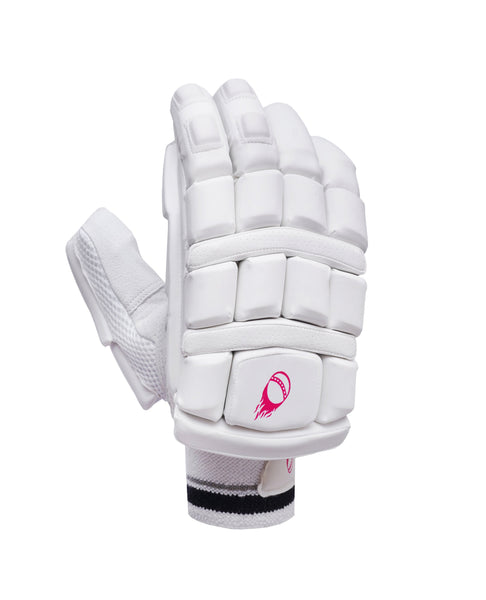 Premium White Batting Gloves£45.99£34.99 Sale
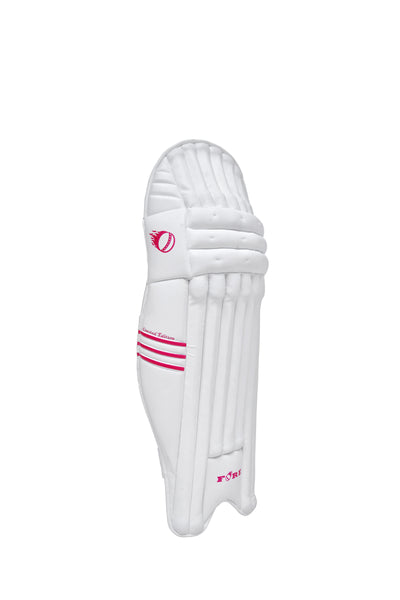 White Cricket Batting Pads£55.99£44.99 Sale
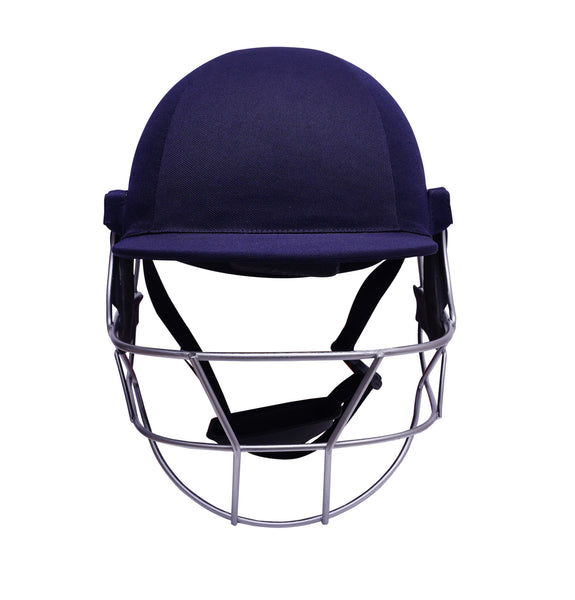 Premium Cricket Helmet (Blue)£47.99£42.99 Sale
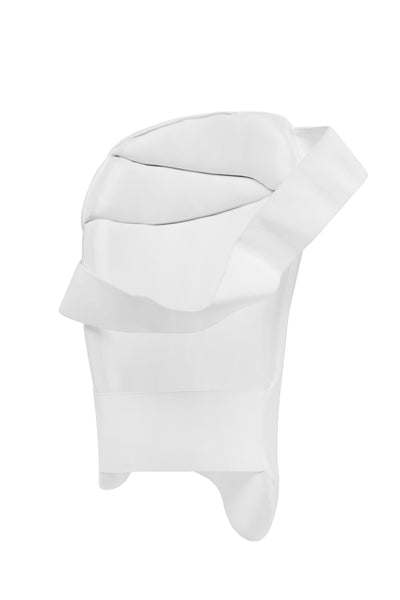 White Thigh Pad - Large£42.99£34.99 Sale
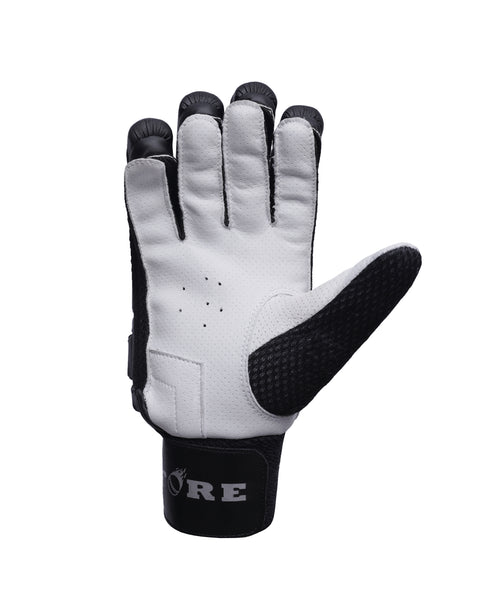 Premium Black Batting Gloves£45.99£34.99
  Premium Cricket Batting Pads£69.99
  Heavy Base Cricket Stumps£29.99 SalePremium White Batting Gloves£45.99£34.99 SaleWhite Cricket Batting Pads£55.99£44.99 SalePremium Cricket Helmet (Blue)£47.99£42.99 SaleWhite Thigh Pad - Large£42.99£34.99 SalePremium Black Batting Gloves£45.99£34.99 Premium Cricket Batting Pads£69.99 Heavy Base Cricket Stumps£29.99
Not in the traditional sense. Padel rackets are solid, moulded constructions - typically a foam or rubber core sandwiched between fibreglass or carbon fibre faces - not strung like a tennis racket or built from natural materials that soften with use. There's no string tension to settle and no leather to soften. Structurally, a padel racket performs close to its final characteristics from the very first hit.
What genuinely needs "breaking in" is you - your sense of the racket's balance, weight distribution, sweet spot location, and power response. A racket with a different balance point (head-heavy vs head-light), a stiffer or softer core, or a different shape can noticeably change your timing, especially on volleys and bandeja/vibora shots where touch matters more than raw power.
There's also a smaller but real structural consideration: a brand-new racket's core and face haven't yet been tested by hundreds of impacts, and playing at 100% intensity immediately - particularly smashing hard or mishitting off-centre - carries a slightly higher risk of early stress cracks compared to a racket that's had a controlled introduction. It's a modest risk, not a major one, but it's part of why a sensible first few sessions genuinely help both your game and the racket's long-term durability.
How To Break In A New Padel Racket: A Practical Routine
Rather than vague "take it easy" advice, here's a structured approach that actually works for most players moving to a new racket.
Session 1–2: Touch and feel, not power
Spend your first one or two sessions focused on control shots - bajadas, soft volleys, defensive lobs, and consistent groundstrokes - rather than maximum-effort smashes. This does two things: it lets you learn exactly where the sweet spot sits on this specific racket (which can shift noticeably between models), and it keeps early-session impact forces lower while the racket is completely new.
Session 3–5: Gradually reintroduce full power
By your third or fourth session, start layering in full-pace smashes and bandejas, but stay conscious of clean contact. Off-centre mishits carry more stress at speed than centred ones - this matters slightly more in these early sessions, but honestly, it's good habit-building at any stage of racket ownership.
First month: Pay attention to feedback, not just results
Track how the racket feels on mishits, how the sweet spot responds under pressure, and whether your usual shots (especially the smash and bandeja) feel like they're landing where you expect. This isn't about the racket "settling" physically - it's about you calibrating to it. Most players report feeling fully adjusted somewhere between 3–6 sessions, depending on how different the new racket is from their previous one.
Ongoing: Build good contact habits early
The single biggest factor in a padel racket's long-term durability isn't age - it's how consistently the player makes clean, centred contact versus repeated off-centre mishits or frame contact. Establishing good habits in the first few sessions pays off for the entire lifespan of the racket.
How To Look After A Padel Racket: Care And Storage
Beyond the break-in period, ongoing care makes the biggest difference to a padel racket's lifespan. Here's what actually matters:
| Care Factor | What To Do | Why It Matters |
| Temperature | Avoid leaving the racket in a hot car boot or direct sun for extended periods | Extreme heat can weaken the core's structural integrity and adhesive bonding over time |
| Humidity | Store in a dry environment; avoid damp bags long-term | Moisture can affect core materials and, over time, contribute to delamination |
| Impacts | Avoid smashing the racket against the court, walls, or ground in frustration | Direct hard impacts (not ball contact) are one of the most common causes of visible cracking |
| Cover/case | Use a padded cover or full racket bag when travelling | Reduces incidental knocks during transport, especially in a shared kit bag |
| Grip | Replace the overgrip every 15–25 hours of play, or sooner if it's slipping | A worn grip changes how securely you hold the racket, increasing mishit frequency |
| Cleaning | Wipe the face down after sweaty or dusty sessions with a damp cloth | Prevents grit build-up in the face texture, which affects spin and can accelerate surface wear |
| String/frame checks | Inspect the frame edge and face regularly for hairline cracks | Catching early cracks lets you manage playing intensity before a full structural failure |
A well-cared-for racket, played by someone with clean, centred contact habits, will comfortably outlast a poorly stored, frequently mishit racket - even if both were bought on the same day.
Padel Racket Lifespan: What To Realistically Expect
There's no single fixed lifespan for a padel racket - it depends heavily on how often you play, how hard you hit, and how well you look after it - but here's a realistic framework:
- Casual/social players (1–2 sessions a week): A racket can often last 1–2+ years of regular play before performance noticeably drops off, assuming reasonable care.
- Regular club players (3–4 sessions a week): Expect somewhere in the 8–18 month range before you start noticing a meaningful drop in power or feel, depending on playing intensity.
- Competitive/high-intensity players: Frequent hard smashing and higher-impact play can shorten this to 6–12 months, particularly for players who favour a very aggressive, power-focused game.
The biggest lifespan factors, in rough order of impact, are: contact quality (centred vs mishit), storage conditions (heat/humidity), physical impacts (drops, wall/frame knocks), and simple accumulated hours of play. Two identical rackets can have very different lifespans purely based on these habits.
Signs Your Padel Racket Is Wearing Out
Most players keep playing with a racket well past the point it's actually performing at its best, simply because the decline is gradual rather than sudden. Watch for:
- A noticeably "dead" or dull sound on contact, compared to the crisp sound it had when new - often the earliest and most reliable sign.
- Reduced power on shots that used to have more pop, even when your technique hasn't changed.
- Visible surface wear, roughening, or fading on the hitting face, particularly in the sweet spot area.
- Hairline cracks, especially near the frame edge or around the throat of the racket - these can start small and worsen quickly under continued hard play.
- A change in balance feel, sometimes reported as the racket feeling "lighter" or less stable through the swing, which can indicate internal core degradation.
If you're noticing two or more of these signs together, it's a reasonable point to start planning a replacement, even if the racket hasn't fully failed yet.
Why A Proper Break-In Period Matters For Performance
Skipping the adjustment period doesn't just risk unnecessary wear - it also means you're playing your first sessions with a racket you don't yet understand, at a moment when confidence and shot placement matter as much as raw power. A rushed introduction, going straight into full-intensity smashes with an unfamiliar sweet spot, often leads to more mishits early on - which is exactly the scenario that puts avoidable stress on a brand-new frame.
Treating the first few sessions as a genuine calibration period - for your feel as much as the racket's longevity - tends to produce better results on both fronts: you adapt faster to the racket's characteristics, and you avoid the kind of early, avoidable damage that shortens a racket's useful life before it's had the chance to perform at its best.
If you're shopping for a new racket and want something built to hold up well through a proper break-in period and beyond, it's worth browsing our padel racket collection to compare build quality, balance, and core construction across models.
How To Choose A Padel Racket That Will Last
A few practical factors matter more than brand reputation alone when it comes to long-term durability:
- Core material and density. Softer cores tend to be more forgiving on mishits; stiffer, more powerful cores can be less tolerant of consistent off-centre contact.
- Playing level match. A racket that's too advanced for your current technique often means more mishits, which shortens lifespan regardless of build quality.
- Frame construction. Look for reinforced frame edges, which are typically the first failure point on impact.
- Weight and balance suited to your game. A poor balance match leads to compensatory technique adjustments that increase mishit frequency.
- Budget vs intended use. A competitive player hitting 4+ sessions a week justifies investing more than a casual social player, both for performance and cost-per-session value.
For more detailed guidance on matching a racket to your level and play style, check out our padel racket care and maintenance guide.
Conclusion
So, how do you break in a new padel racket? Not by treating it like leather that needs softening - there's no material process to wait out. It's about giving yourself a genuine adjustment period to learn the racket's balance and sweet spot, while playing sensibly enough in those first sessions to avoid unnecessary stress on a brand-new frame. Combine that with good ongoing care - sensible storage, clean contact habits, and regular grip changes - and you'll get meaningfully more life and better performance out of any racket you buy.
Looking for a racket built to hold up to real, regular play? Browse our padel racket collection to find one suited to your level and playing style.