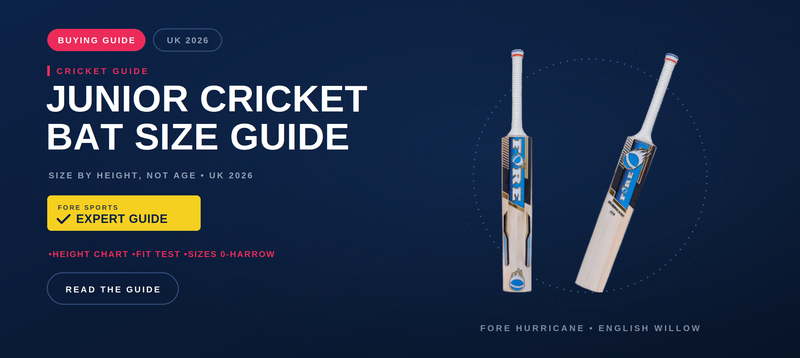
A Harrow cricket bat is the largest junior size, sitting between a Size 6 and a full-size Short Handle (adult) bat. It suits players who have outgrown junior sizes but are not yet tall or strong enough to control a senior bat, most commonly teenagers around 5ft 5in to 5ft 8in. Some smaller adults use one too.
That is the short version. The useful version is knowing when a Harrow is right, when it isn't, and why the height charts you'll find online don't agree with each other. This guide sorts that out.
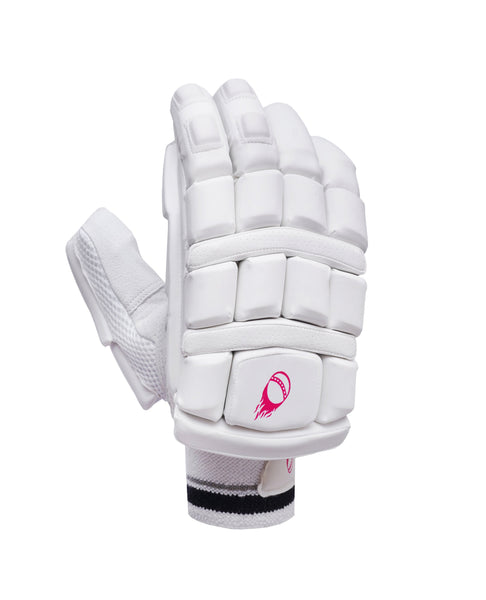 Premium White Batting Gloves£45.99£34.99 Sale
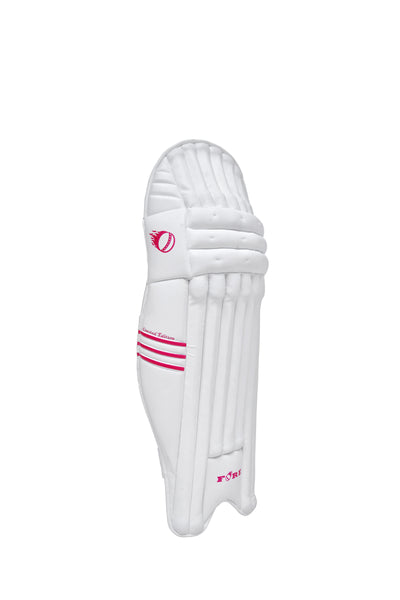 White Cricket Batting Pads£55.99£44.99 Sale
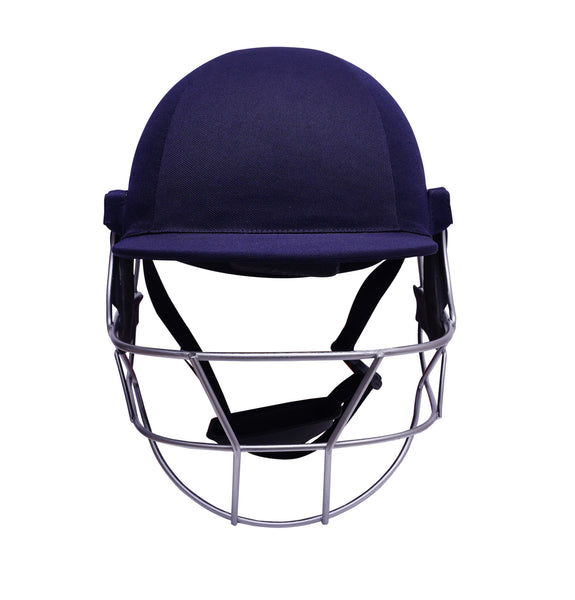 Premium Cricket Helmet (Blue)£47.99£42.99 Sale
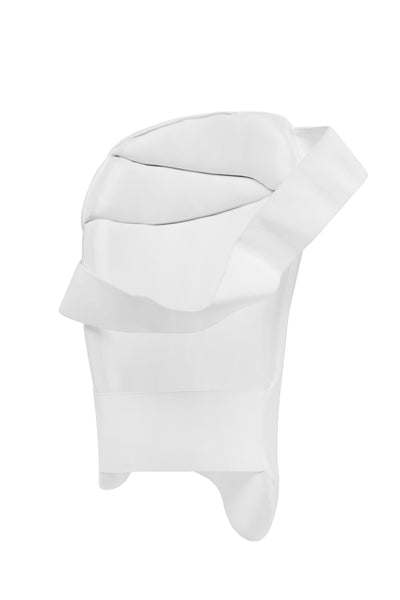 White Thigh Pad - Large£42.99£34.99 Sale
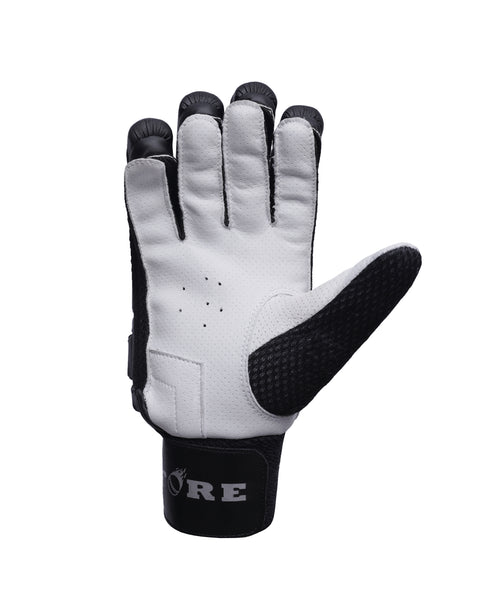 Premium Black Batting Gloves£45.99£34.99
 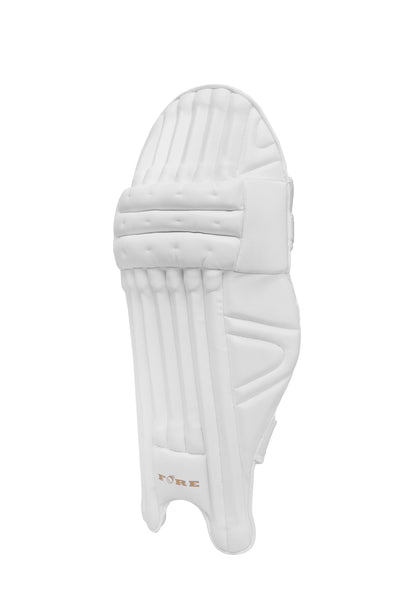 Premium Cricket Batting Pads£69.99
  Heavy Base Cricket Stumps£29.99 SalePremium White Batting Gloves£45.99£34.99 SaleWhite Cricket Batting Pads£55.99£44.99 SalePremium Cricket Helmet (Blue)£47.99£42.99 SaleWhite Thigh Pad - Large£42.99£34.99 SalePremium Black Batting Gloves£45.99£34.99 Premium Cricket Batting Pads£69.99 Heavy Base Cricket Stumps£29.99
What is a Harrow cricket bat?
A Harrow is a bridging size. It gives a young player a slightly longer blade and a bit more hitting area than a Size 6, without the full length, width and weight of a senior bat. The handle is a touch shorter and thinner than a Short Handle, so the whole bat is easier to pick up and control.
Think of it as the last step before adult equipment. A player on a Harrow is usually close to the end of a growth run and will move to a Short Handle within a season or two. That's exactly what our Harrow-size Hurricane in English willow is built for: senior-grade willow in a frame a transitional cricketer can actually control.
What size is a Harrow cricket bat?
A Harrow is roughly 32.75 inches (about 83cm) in overall length, compared with about 33.5 inches (85cm) for a standard Short Handle. Typical weight is around 2lb 5oz to 2lb 8oz.
Those are approximate. Every manufacturer presses and shapes slightly differently, and the Laws of Cricket only set the outer limits: a bat may be no longer than 38 inches (96.52cm) overall and no wider than 4.25 inches (10.8cm). Within that, a Harrow's defining feature isn't a dramatic drop in length. It's a narrower, lighter blade and a shorter handle, which together bring the weight and pickup down to something a growing player can swing without altering their technique.
Harrow cricket bat height guide
A Harrow bat most commonly suits players around 5ft 5in to 5ft 8in (roughly 165–173cm).
Now the honest part. UK retailers and manufacturers give noticeably different ranges for exactly the same size. You'll see Harrow listed as low as 5ft 4in and as high as 5ft 9in depending on where you look. That isn't sloppiness so much as the fact that "Harrow" is a traditional size label rather than a precise engineering spec, and some brands slot an "academy" or "small men" size in alongside it.
So treat height as a starting point, not a verdict. Two players who are both 5ft 6in can need different bats depending on arm length, strength and how they set up at the crease. Use the fitting test further down before you commit.
Here is where Harrow sits relative to the sizes around it.
Harrow cricket bat size chart
| Bat size | Approx. player height | Typical age | Approx. overall length | Typical player | When to think about moving up |
| Size 5 | 4ft 11in–5ft 2in (150–157cm) | ~10–12 | ~30.5in | Junior still growing | Butt of the handle reaches the wrist; dragging shots |
| Size 6 | 5ft 2in–5ft 5in (157–165cm) | ~11–13 | ~31.5in | Tallest junior size | Outgrowing Size 6 and strong enough for more blade |
| Harrow | 5ft 5in–5ft 8in (165–173cm) | ~12–15 | ~32.75in | Teen bridging to senior; some smaller adults | Controls the Harrow easily and reaches ~5ft 8in–5ft 9in |
| Short Handle (SH) | 5ft 8in and taller (173cm+) | ~14+ / adult | ~33.5in | Standard adult size | This is the adult standard |
| Long Handle / Long Blade | 6ft 2in and taller (188cm+) | Adult, tall | ~34.5in+ | Very tall players | This is the adult standard for tall players |
Ranges overlap on purpose, and some brands shift the Harrow band up or down by an inch or two. If your player falls on a boundary, the sizing test matters more than the number. For the junior range in full, see our junior English willow cricket bats.
Harrow cricket bat age guide
A Harrow typically suits players aged around 12 to 15, but age is the weakest signal of the three, and it's the one most parents lean on hardest.
Children of the same age vary enormously in height and strength, and growth at this stage can be fast and unpredictable. A player who needs a Harrow in spring can genuinely need a Short Handle by autumn. Buy for the body in front of you, not the birth certificate, and re-measure every couple of months through a growth spurt.
Harrow vs Size 6
A Size 6 is the biggest of the standard junior sizes; a Harrow is a step beyond it.
- Length: a Harrow is roughly an inch longer overall than a Size 6.
- Blade: more hitting area and a slightly bigger middle on the Harrow.
- Weight and pickup: the Harrow is a little heavier, so the player needs the strength to keep bat speed up through the shot.
- Feel: players moving up notice more power off the middle, without the jump to a full senior bat.
Move from Size 6 to Harrow when the Size 6 is clearly short (the player is reaching down for the ball or the bat looks small in their stance) and they can handle the extra weight without their swing dropping. If they're strong for their size, our Size 6 English willow bats and the Harrow above them come from the same range, so the step up feels consistent.
Harrow vs Short Handle
This is the decision most people get wrong, so it's worth doing properly.
The instinct is to buy a Short Handle as soon as a player hits their teens, because it looks grown-up. But a Short Handle that's too big does real damage to a developing technique. Here's how the two actually compare.
| Factor | Harrow | Short Handle (adult) |
| Overall length | ~32.75in | ~33.5in |
| Blade | Narrower, less volume | Fuller, more hitting area |
| Weight | ~2lb 5oz–2lb 8oz | ~2lb 8oz–2lb 11oz |
| Pickup | Lighter, easier to control | Heavier, needs more strength |
| Reach | Suits shorter arms | Suits longer reach |
| Handle | Slightly shorter and thinner | Full length |
| Typical player | Transitional teen; some smaller adults | Adult and near-adult height |
Notice the length gap is small. The meaningful differences are weight, blade volume and pickup. A Short Handle asks for more strength to control across a full innings, and more reach to use the extra blade without the player over-stretching.
Choosing a Short Handle purely on age is the classic mistake. A 12-year-old on a Short Handle often looks the part but bats with a shortened backlift and starts falling over to the leg side, because the bat is dictating the movement instead of the player. Coaches see the technique go backwards even as the kit looks more senior.
Signs a player is genuinely ready for Short Handle:
- They control a Harrow comfortably for a whole net or innings, not just for a few shots.
- They can lift and swing it without changing their grip, stance or backlift.
- They have the reach to play a full drive without stretching off balance.
- The extra length doesn't foul their stance or bat path.
- Pickup still feels manageable at the end of a long session, not just at the start.
If those aren't all true, another season on a Harrow will do more for their batting than an early move up. When they are ready, our full-size Short Handle English willow bats carry the same profiles as the junior range.
When should a player move from Harrow to Short Handle?
Move up when the player has both the height (usually around 5ft 8in to 5ft 9in) and the strength and reach to control a longer, heavier bat without their technique changing. Height alone isn't the trigger. A tall but lightly built 14-year-old may still bat better on a Harrow for a season.
The simplest check: hand them a Short Handle and watch a few shadow shots or throwdowns. If the swing looks the same as it did with the Harrow, they're ready. If the backlift shortens or they start losing shape, they're not.
How to tell if a cricket bat is too big or too small
You don't need a chart in hand. Two quick tests work better.
The stance test. With the player in their normal stance, bat grounded behind the back foot, the top of the handle should sit around the top of the thigh or hip, roughly where a trouser pocket is. Handle up past the waist usually means the bat is too long.
The pickup test. Have them pick the bat up and hold it out in front, arm extended, for a few seconds, then play a slow shadow drive. If the wrist drops, the toe wobbles, or the swing looks laboured, the bat is too heavy, whatever the length says.
Signs a bat is too big: the player reaches down to the ball, the backlift shortens, they play across the line, or they tire noticeably late in an innings. Signs it's too small: they're crouching or bending the knees more than usual to get down to the ball, and it simply looks short in the stance.
When a player is between sizes, size down. Control comes from the right fit, not from a bat they'll "grow into." A bat one size too big is the fastest way to build a fault into a young technique.
Can a small adult use a Harrow cricket bat?
Sometimes, but not automatically. Adult players don't all have the same equipment needs, and a shorter or lighter-framed adult can find a standard Short Handle too long or too heavy to control through a full innings.
A Harrow is one option worth trying in that case, because it's lighter with an easier pickup. So is a brand's "small men" or "academy" size, which is built specifically for shorter adults and sits between a Harrow and a Short Handle. The right pick depends on the individual: reach, strength and how the bat feels at the end of a long net, not just overall height.
Two practical cautions before buying. First, blade dimensions vary between a Harrow and a senior small-men bat, so check the actual specs rather than assuming. Second, if you play in a league with equipment rules, confirm anything unusual is permitted. For most smaller adults the honest answer is: try a Harrow and a light Short Handle side by side and buy the one you can control, rather than defaulting to either.
Practical bat-fitting test (quick recap)
- Stance: handle top sits around hip height, not up past the waist.
- Pickup: hold it out, play a slow drive; the swing shouldn't change to accommodate the bat.
- Endurance: it should still feel controllable at the end of a session.
- Between sizes: size down.
If you're kitting a junior out from scratch, our junior cricket equipment range covers the pads, gloves and helmet to match, and our English willow buying guide explains grades and pressings if you're weighing up the blade itself.