An English willow grade tells you how the willow looks, mainly the number of grains, how straight they run, and how clean the face is. It sets the price. What it does not do is reliably tell you how the bat will play. Grade is a cosmetic and price tier, not a performance rating, and no independent body enforces it, so a "Grade 1" from one brand can differ from a "Grade 1" from another.
That's the part most guides skip, and it's the part that saves you money. Here is what each grade actually means, where the labels break down, and how to choose without overpaying for looks.
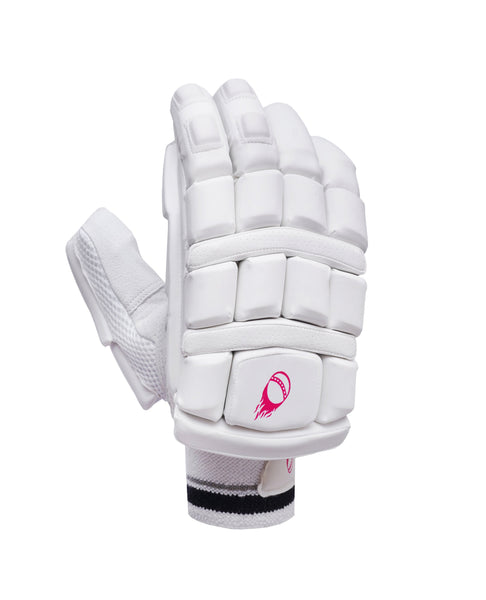 Premium White Batting Gloves£45.99£34.99 Sale
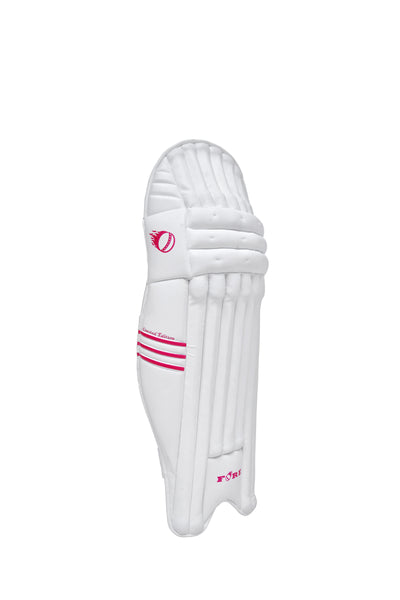 White Cricket Batting Pads£55.99£44.99 Sale
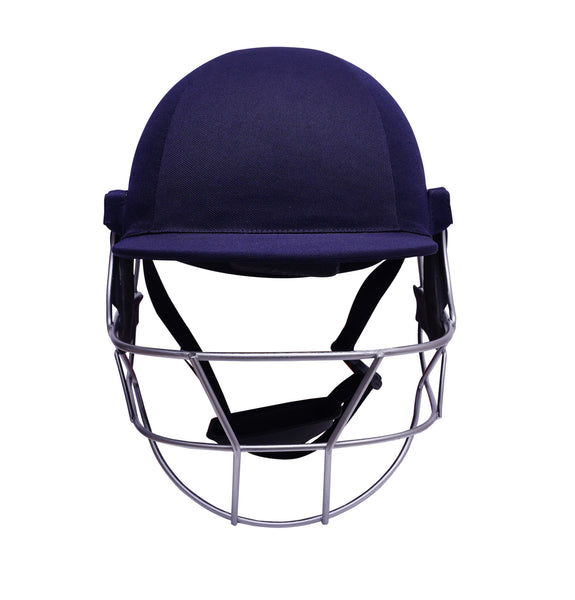 Premium Cricket Helmet (Blue)£47.99£42.99 Sale
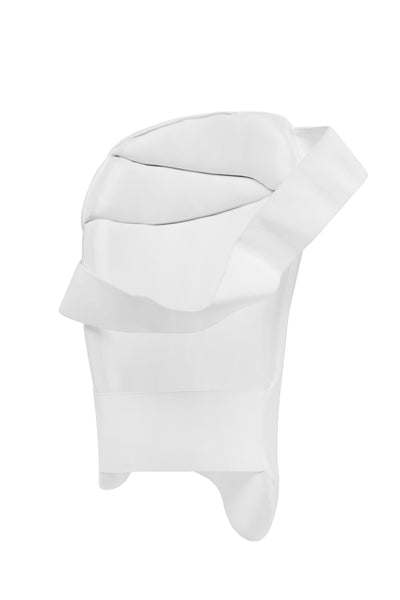 White Thigh Pad - Large£42.99£34.99 Sale
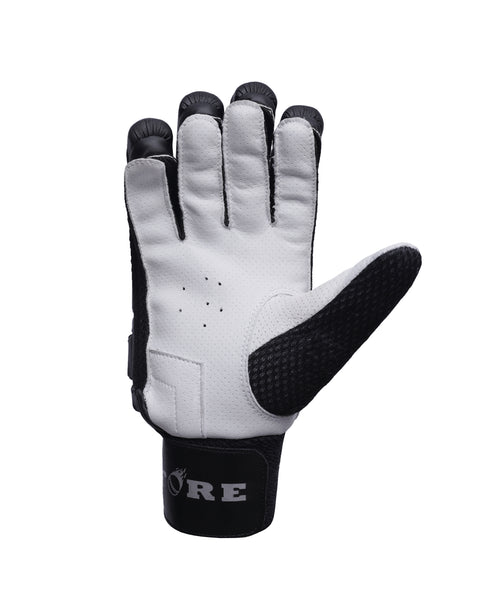 Premium Black Batting Gloves£45.99£34.99
  Premium Cricket Batting Pads£69.99
  Heavy Base Cricket Stumps£29.99 SalePremium White Batting Gloves£45.99£34.99 SaleWhite Cricket Batting Pads£55.99£44.99 SalePremium Cricket Helmet (Blue)£47.99£42.99 SaleWhite Thigh Pad - Large£42.99£34.99 SalePremium Black Batting Gloves£45.99£34.99 Premium Cricket Batting Pads£69.99 Heavy Base Cricket Stumps£29.99
What is an English willow grade?
Grading sorts clefts of English willow (the raw wood a bat is cut from) by appearance. Graders look at three things:
- Grain count: the vertical lines on the face. Each grain is roughly a year of the tree's growth.
- Grain straightness and spacing: straight, evenly spaced grains are graded higher than wavy or converging ones.
- Face cleanliness: blemishes, specks, knots, redwood (heartwood) and butterfly stains push the grade down.
None of that is a direct measure of how hard the bat hits. It measures how the wood looks. Cleaner, straighter, paler willow is rarer, so it costs more and gets the top grade. That's the whole system.
Does the grade affect performance?
Not as much as the price difference suggests. Grade is a strong guide to appearance and a weak guide to performance. Pressing (how the willow is compressed during manufacture), the bat's profile, its weight and its pickup all matter more to how it plays than the grade stamped on it.
A well-pressed Grade 2 or Grade 3 from a good maker can outperform a poorly pressed Grade 1. For most club cricketers, the on-field difference between Grade 1 and Grade 3 is small once both bats are knocked in. You're mostly paying for the clean, pale face.
That doesn't make grade useless. It's a fair proxy for how light and refined a bat is likely to feel, and top grades give makers the pick of lighter clefts. Just don't read it as a performance league table.
English willow grades chart
Approximate, and deliberately so. Treat every number as a rough band, because brands set their own thresholds.
| Grade | Approx. grains | Appearance | Performance | Typical UK price | Best for |
| Grade 1+ | ~8–12, very straight | Near-flawless, pale, minimal marks | Top tier, lightest pickup | £250–500+ | Pros, premium buyers |
| Grade 1 | ~7–10 straight | Clean face, very minor marks | Excellent | £200–350 | Serious league players |
| Grade 2 | ~6–9 | Mostly straight, minor blemishes or a little redwood | Excellent, close to Grade 1 | £150–250 | Most serious club players |
| Grade 3 | ~4–7, may wobble | More marks, possible butterfly stain, some redwood | Very good once knocked in | £100–150 | Regular club and developing players |
| Grade 4 | ~4 or fewer | Heavier staining, knots, uneven grain | Reliable, may need more knocking in | £70–120 | Beginners, juniors, practice |
| Grade 5 (some brands) | Few, irregular | Heavy marks, often bleached | Functional, entry point | Under £80 | Occasional and practice use |
Prices are indicative and vary by brand, pressing and profile. The grain figures are where sources disagree most, which brings us to the catch.
Grade 1 and Grade 1+
The top of most brands' scales. Straight, evenly spaced grains, a pale and clean face, and the maker's pick of lighter clefts. These bats look superb and pick up beautifully. You pay a premium for the cosmetics and the light weight as much as for performance. If the appearance and the lightest possible pickup matter to you, and budget isn't the constraint, Grade 1 delivers. Just know that the playing gap to Grade 2 is smaller than the price gap.
Grade 2
Often the smartest buy for a committed club cricketer. You get most of the quality of Grade 1, with one or two minor marks or a touch of redwood on the edge that don't affect play. The performance sits right alongside Grade 1 for a noticeably lower price. If you want a genuine match bat without paying for a flawless face, start here.
Grade 3
The most widely sold English willow grade in the world, and for good reason. Expect four to seven grains that may not be perfectly straight, plus more visible staining or a butterfly mark. It's still genuine English willow and still plays well once properly knocked in. For a player who's out most weekends but doesn't want to spend big, Grade 3 is a real bat at a fair price.
Grade 4 and Grade 5 cricket bats
Grade 4 is the entry point for English willow: fewer grains, more staining, the odd knot. These bats are common for beginners, juniors and as practice bats, and they perform reliably once knocked in. They often need a bit more knocking-in time than higher grades, because the willow tends to be younger and firmer.
Some brands add a Grade 5 below that as their cheapest tier, usually the most heavily marked or bleached willow. There's no universal definition of Grade 5, so treat sub-Grade-4 labels with a pinch of salt and judge the actual bat. If you only play a handful of games a year, or you're buying a first hardball bat for a junior who's still growing, a Grade 4 English willow bat is usually plenty. Our junior English willow range is a sensible place to look before spending on a top grade a growing player will outgrow.
The catch: grades are not standardised
Here's what the tidy grade tables don't tell you. There is no independent authority that grades English willow. Each manufacturer grades its own wood against its own criteria. A "Grade 1" is a claim by the seller, not a certified spec.
The clearest proof is in the named grades. Some makers sell "Players" grade above their Grade 1. Others use "Player" as the name for their Grade 3. Same word, opposite position on the scale. One brand's "Grade 2" can be another brand's "Grade 1." The numbers feel official, but they're marketing labels.
So use grade to compare bats within a single brand, where it's consistent, and be sceptical comparing grade labels across brands. When you're weighing up makers, our cricket bat brands guide is more useful than the grade sticker.
What is a players grade cricket bat?
"Players grade" is a name, not a fixed rung. At some brands it's a premium tier at or above Grade 1, made from lighter, cleaner clefts. At others it's a mid or lower grade. Read the maker's own description of what their "players grade" contains (grain count, weight, blemishes) rather than assuming it sits in a set place.
What is a butterfly grade cricket bat?
A butterfly grade bat is English willow with a butterfly stain: a natural, wing-shaped mark across the blade. It forms where a branch was pruned or damaged as the tree grew over many years, leaving a scar in the timber.
The important bit: that scar is usually denser and stronger than the surrounding wood, and the stain is purely cosmetic. It doesn't reduce performance. Butterfly clefts can occur in willow of any grain count, from four grains to twelve.
Because the mark looks less "clean," butterfly bats are graded lower on looks and priced lower, even though the wood is structurally sound and often very durable. That makes them genuine value, and a popular choice as a hard-wearing practice bat so you can save a pale Grade 1 for match days. The main trade-off: butterfly clefts are rarely lightweight, because that scarred wood is dense.
Do more grains mean a better bat?
Not automatically, and this is worth understanding before you pay for a 12-grain face.
Grain count reflects the age of the willow, roughly a grain per year. It's a trade-off, not a ladder:
- More grains (8–12): older, more mature willow. Tends to feel lively and "ready" sooner, and looks premium. But it can be more prone to surface cracking and may not last as long.
- Fewer grains (4–6): younger willow. Often more durable and less fault-prone, but may take more knocking-in before it performs at its best.
Straightness matters more than count. An even, straight six-grain blade is better willow than a wavy ten-grain one. Don't let a high grain number alone decide your purchase.
Star ratings vs grades
Some brands skip numbers and use stars (5-star, 4.5-star and so on) or their own named tiers. It's the same idea in different clothing: a cosmetic and price ranking of the willow. The label changes; the principle doesn't. Compare like with like within a brand, and judge the bat in the hand.
What grade should you buy?
Match the grade to how much you play, not to the best face you can afford.
- Professional or high-level league, appearance matters: Grade 1 or 1+.
- Serious club cricketer, out most weekends: Grade 2 is the value sweet spot. A well-pressed Grade 3 is fine too.
- Regular player on a budget: Grade 3, the world's most popular grade for a reason.
- Beginner, occasional player, or a junior still growing: Grade 4, or a good Kashmir willow bat if you're new to hardball cricket. Don't overspend on a premium grade for a player who'll size up next season.
Whichever grade you choose, knocking in is non-negotiable. Softer, higher-grade pressings and younger low-grain blades both need proper preparation with a mallet before they face a hard ball. Our bat care kits cover the mallet and oil for that.
How to judge a bat beyond its grade
The grade gets you in the right ballpark. These checks tell you if the individual bat is good.
- Pickup. Lift it and play a shadow drive. It should feel lighter than its listed weight and balanced in the hands. Pickup beats static weight.
- Straight grains over grain count. Even, straight lines matter more than how many there are.
- Pressing and ping. A firm, springy face that returns a knuckle-tap sharply is a good sign. Over-soft or dead-sounding faces are a warning.
- Feel over face. A slightly marked blade that picks up beautifully is a better buy than a flawless one that feels like a plank.
For a fuller walk through models, pressings and prices, see our English willow buying guide.