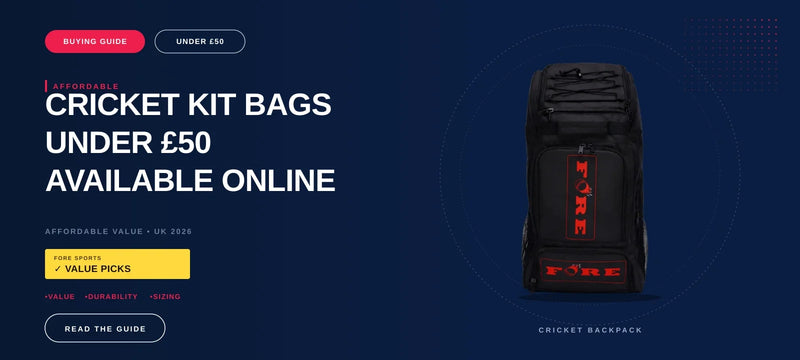
A full senior cricket kit is a serious pack list. Bat, pads, gloves, helmet, spikes, thigh guard, abdominal guard, whites, training kit, water bottle, a spare pair of inners, plus whatever else you throw in on match morning. Add a wicketkeeper's inners and gloves or a second bat and you're carrying close to a small suitcase of gear every week.
Ordinary gym holdalls aren't built for that. Bat edges bruise pads. Sweaty shirts sit against helmet padding. Zips fail at the seams by August. This guide covers what to look for in a cricket kit bag if you're a serious club, league or senior-age-group player, and which bags in the Fore Sports cricket kit bag collection actually match those requirements. No hype, no fake pro endorsements, just honest sizing and practical buying advice for UK cricket.
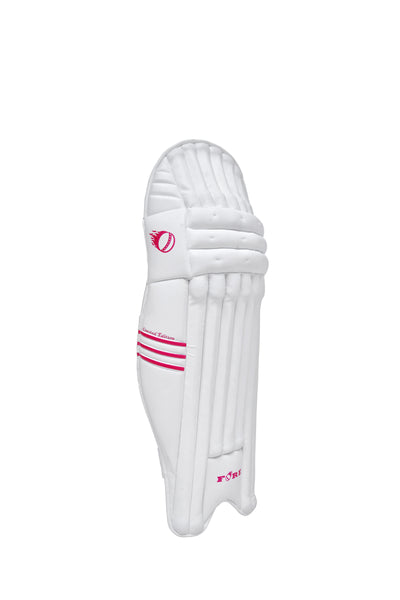
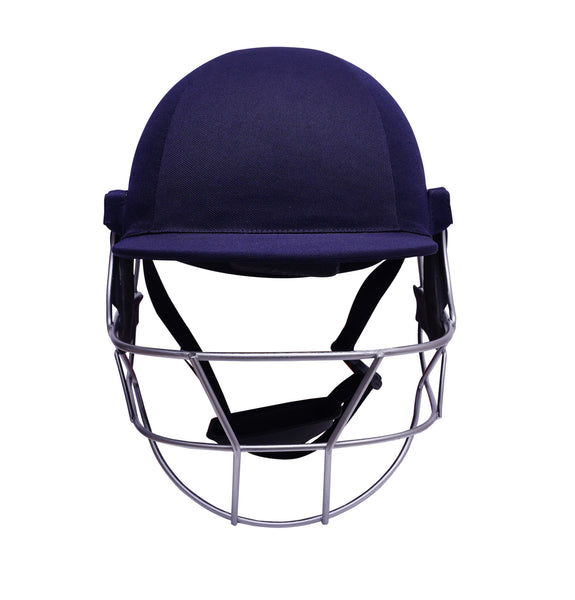

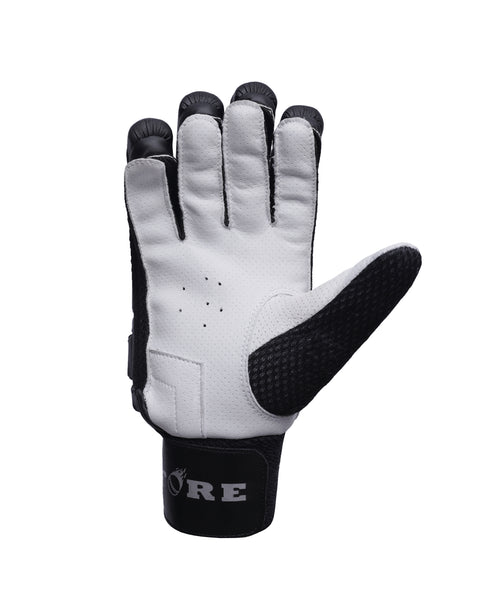
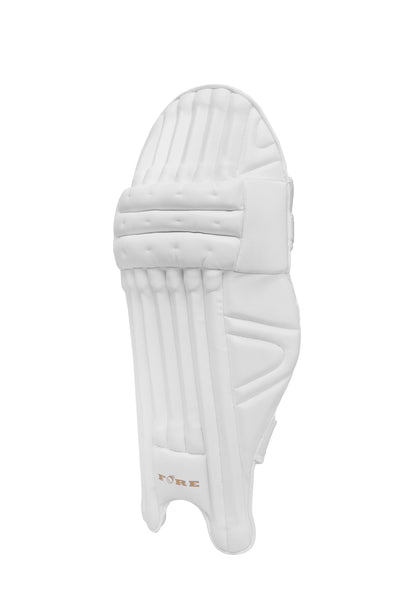
What to look for in a cricket kit bag for professional-level use
A cricket kit bag for professional or serious senior use needs enough internal length to lie a full-size bat flat, enough volume to hold a full set of pads, gloves, helmet and shoes without crushing anything, water-resistant fabric for British weather, a reinforced base that stays flat under 15–20kg of loaded kit, and strong stitching at the handles and strap anchors. Anything less and it won't survive a full 20-week season.
Everything below expands on that answer.
Fore Sports cricket kit bags at a glance
| Cricket kit bag | Dimensions | Best for | Key advantage | Who should choose it |
| Black Cricket Kit Bag 105×45×45cm | 105 × 45 × 45 cm | Full senior kits, touring | Fits senior bat plus a full kit with room to spare; classic all-black | Senior league or serious club players who carry the lot |
| Blue Cricket Kit Bag 105×45×45cm | 105 × 45 × 45 cm | Full senior kits in club colours | Same senior spec, blue finish | Players in blue-kit sides |
| Green Kit Bag 105×45×45cm | 105 × 45 × 45 cm | Full senior kits in green | Same senior spec, green finish | Players in green-kit sides |
| Red Cricket Kit Bag 105×45×45cm | 105 × 45 × 45 cm | Full senior kits in red | Same senior spec, red finish | Players in red-kit sides |
| Cricket Kit Bag (Black) | Standard senior duffle (dimensions not published) | League cricket with one bat | Fits full senior kit at a lower price point | Regular club cricketers who don't need tour capacity |
| Cricket Kit Bag (Blue) | Standard senior duffle (dimensions not published) | League cricket with one bat | Lowest price in the senior range | Value-focused club players |
| Black Cricket Kit Bag 73×38×37cm | 73 × 38 × 37 cm | Junior and Harrow-size kits | Sized to a younger player's kit | Age-group cricketers up to around 13–14 |
| Junior Cricket Bag | Junior size | First cricket bag | Entry-level price | U9–U11 players and starters |
Verified from live product pages at the time of writing. Prices vary; check each product page for the current figure.
The best Fore Sports cricket kit bags for serious senior players
Large 105 × 45 × 45 cm bags: the pick for full senior kits
The four 105 × 45 × 45 cm bags (available in black, blue, green and red) are the ones to consider if you're carrying a full senior kit or looking to upgrade from a junior bag.
At 105cm internal length, a full-size senior bat lies flat with room to spare. The main compartment is deep enough for a pair of senior batting pads next to the bat, plus helmet, gloves and shoes. Multiple side pockets take the cricket balls, bat oil, water bottles and small accessories that always seem to multiply as the season goes on. Water-resistant outer fabric handles damp UK conditions, and the base is reinforced to sit flat under a heavy load.
Carry is via a padded, adjustable shoulder strap and dual reinforced grab handles. If most of your cricket involves walking from a car park to a pavilion or between platforms at a station, this suits fine. The bag falls within standard airline hold-luggage size limits on most major carriers, so it doubles as a tour bag with your kit and personal clothes packed together. Colour is a personal call, but the black option hides ground-side dirt best over a long season.
Trade-off to know: these are duffle bags, not wheelies. If you have back issues or routinely carry two bats plus wicketkeeping gear on long walks, a wheelie from another retailer will save you shoulder strain. If you're the average club cricketer walking a short distance to a pavilion, a duffle is lighter, cheaper and easier to stow.
The standard senior duffle: sized for league cricket
The Cricket Kit Bag in Black and the equivalent Cricket Kit Bag in Blue are the mid-range senior options. Fore Sports describes the main compartment as spacious enough for a full-size senior bat, batting pads, helmet and gloves with room for shoes and clothing, plus side and end pockets for accessories.
These sit at a lower price point than the 105cm bags. The Black option is the sharper looker; the Blue is the entry-price way into a proper senior bag rather than a gym holdall.
Trade-off to know: the exact dimensions aren't listed on the product pages, so measure your current kit before ordering if you carry an unusually long bat or a second bat. If you routinely take two bats or a wicketkeeping setup, size up to the 105cm option instead.
Where the 73 × 38 × 37 cm bags fit in
Worth being direct about this: the 73 × 38 × 37 cm bags are marketed by Fore Sports as junior bags. They fit a junior or Harrow-size bat, youth pads, gloves, helmet and shoes. They are not senior bags.
If your child is playing age-group cricket up to around 13 or 14, the 73cm size is properly sized for their kit. Once they move into a full-size senior bat, upgrade to the 105cm range.
What makes a cricket kit bag suitable for professional-level equipment
Enough internal volume for a full senior kit
The full senior kit list runs longer than most people credit. A single bat, batting pads, batting gloves, inners, helmet, shoes, thigh guard, abdominal guard, arm guard for players who wear one, two shirts, trousers, a jumper for early-season, a water bottle, and the bits and pieces (bat oil, tape, spare grip, sun cream, spare inners). A wicketkeeper adds keeping gloves, keeping pads and inners. That's the working baseline before you factor in a second bat.
You want capacity comfortably above what you carry, not the exact minimum. A bag stuffed to the seams stresses zips and strap anchors and wears out fast. A little slack is worth paying for.
Bat compartment length that fits a full-size senior bat
A full-size senior cricket bat is around 85cm long from toe to top of handle. Anything shorter than that internally and your bat sits at an angle, pressing on pads and helmets. This is the single biggest reason to size up. Fore Sports' 105cm bags accommodate this easily. The 73cm bags do not, which is why they're junior-only.
Sensible internal organisation
You want, at minimum, a main compartment large enough to lay a bat flat with pads alongside, plus multiple external pockets. Side pockets take balls, bat oil, water bottles, tape and grips. End pockets are useful for a keeping glove or your spare inners.
Not every senior cricket bag has a fully separate shoe tunnel or a ventilated wet-kit compartment. If those matter to you, check the product page before ordering. The Fore Sports senior bags rely on multiple pockets rather than a dedicated shoe tunnel, so if you need to isolate spikes from clean whites, use a supermarket carrier bag inside the main compartment. Not glamorous, but it works.
Weather protection for British conditions
British club cricket happens under grey skies more often than you'd like. A water-resistant outer fabric keeps light rain, damp grass, wet car boots and wet pavilion floors from soaking through to your gear. Water-resistant is not waterproof, so in a real downpour cover the bag or shelter it. Fore Sports' senior bags are described as water-resistant with a reinforced base that sits flat on damp grass, which is the level of protection you actually need for a UK season.
Handles, straps and a base that holds up
The stress points on a kit bag are the zips, the strap anchors and the base. Reinforced stitching at these three points is what separates a bag that lasts three seasons from one that fails in July. A padded, adjustable shoulder strap makes a full load carriable; dual grab handles let you sling it into the boot without straining the shoulder strap. All the Fore Sports senior bags include both.
What size cricket kit bag does a senior player actually need?
Most senior club cricketers carrying a single bat and a full kit fit into a bag around 90–100cm long, 40–45cm wide and 40–45cm deep. That's roughly the Fore Sports 105 × 45 × 45cm range or comparable models. Wicketkeepers, all-rounders carrying two bats, or players who like to keep training gear packed alongside match gear should go straight to the largest option available.
Junior cricketers up to around 13 or 14 fit comfortably into the 73 × 38 × 37cm range. Below that age, the compact Junior Cricket Bag is enough.
Large vs medium cricket kit bags
The honest way to think about it:
Large (Fore Sports 105 × 45 × 45cm): Choose this if you carry a second bat, wicketkeeping gear, keep match and training kit packed together, or tour. Slightly heavier when empty, but the extra capacity means you're not fighting zips at the end of the season. Also better for touring because it doubles as personal luggage on trips away.
Medium (Fore Sports 73 × 38 × 37cm or the standard-size Cricket Kit Bag): Choose the standard-size Cricket Kit Bag if you're a single-bat club player and want to spend less. Choose the 73cm bag only if it's for a junior or age-group player.
If you're between the two and playing senior cricket, size up. Half-empty large bags are easier to pack and easier on stitching than a bulging medium bag.
Wheelie vs duffle: which suits serious cricket?
The reflex assumption is that professional players use wheelies. In practice, most UK club and league players are better served by a well-built duffle.
Duffle bags are lighter, cheaper, easier to throw in the boot of a small car, and easier to stow in a cramped pavilion changing room. Fine for most car-based cricket. Fore Sports' entire range is duffle-style.
Wheelie bags save your shoulders when you're routinely walking longer distances, taking the train to away fixtures, hauling a wicketkeeping setup alongside batting kit, or dealing with back issues. If any of that applies to you, buy a wheelie from a retailer that stocks them. Fore Sports doesn't currently offer wheelies in this collection, so we'll be direct: if you need one, you'll need to look elsewhere.
For the majority of senior club cricket, though, a well-strapped duffle in the right size is the practical pick.
How to organise a professional cricket kit bag
- Lay the bat flat along the length of the main compartment. Never diagonally, which puts pressure on the toe.
- Slide the pads down alongside the bat, straps facing inwards so buckles don't scratch other gear.
- Put the helmet at one end of the main compartment, cushioned by the pads. Never at the bottom under everything else.
- Wrap spikes in a plastic bag or old carrier bag before they go in. They pick up mud on wet outfields and you don't want that against whites.
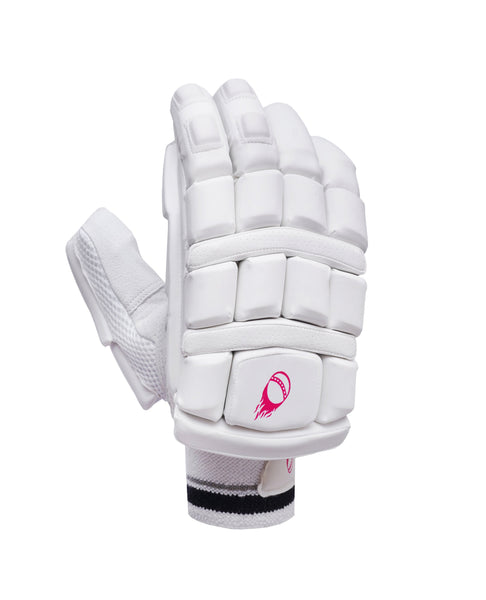
- Batting gloves fold flat and slot in the main compartment or a side pocket. Wet gloves come out at home to dry, not left in the bag.
- Thigh guard, abdominal guard, arm guard live in side pockets. Small, easy to lose in the main compartment.
- Accessories in one dedicated pocket: ball, bat oil, tape, spare grip, sun cream. You want one hand to find any of them at 10:30am.
- Water bottle in an external pocket if the bag has one, otherwise on top so it doesn't leak on kit.
- Wet clothing goes in a separate carrier bag inside the main compartment on the way home. Deal with it the same day, not on Wednesday when you next open the bag.
Choosing your cricket kit bag: a practical checklist
Before you buy, work through this:
- Player level: senior club, senior league, age-group cricket, or junior?
- Bat length: full-size senior needs ~85cm minimum internal clearance.
- Number of bats: one or two? Two doubles your minimum capacity.
- Wicketkeeping: if yes, size up.
- Travel: car, train, coach, air, foot?
- Distance from parking to pavilion: longer walks favour wheelies.
- Storage at home: measure your car boot and the space you'll store the bag in.
- Match and training kit combined or separated: combined means larger bag.
- How wet does the bag get: if you play a lot of early- and late-season cricket, water-resistant is non-negotiable.
- Budget: be honest about what you'll use, not what looks premium in a shop.
Common mistakes when buying a senior cricket kit bag
Buying a gym holdall instead of a cricket bag. No dedicated space for a bat, edges damage pads inside a few weeks.
Sizing to your ambitions rather than your kit. An oversized bag half-full drags around the car boot, wears the base faster, and won't fit in tight dressing rooms.
Ignoring how you actually travel. If you take the train to Saturday cricket, walking through a station with a 15kg duffle on your shoulder gets old fast.
Skipping the wet-kit plan. Sweaty whites next to helmet padding is how helmets start to smell in July.
Confusing water-resistant with waterproof. Cover the bag in a downpour. No cricket bag from any brand at this price is fully waterproof.
Choosing purely on colour. Colour matters, but not more than dimensions. Sort the size first.
Which Fore Sports cricket kit bag suits your cricket?
Senior club or league player carrying a full single-bat kit: the 105 × 45 × 45cm range in your team colour. If you don't need the extra room, the standard Cricket Kit Bag (Black) is the value pick.
Serious cricketer, wicketkeeper, or all-rounder carrying two bats: the 105 × 45 × 45cm bag. Don't size down.
Player touring with kit plus personal luggage: the 105 × 45 × 45cm bag. It falls within standard airline hold-luggage limits and doubles as your suitcase.
Training-focused player, mid-price budget: the Cricket Kit Bag (Black). Fits a full senior kit, costs less than the 105cm range.
Age-group player (roughly 8–14) moving toward senior cricket: the 73 × 38 × 37cm bag now, plan to upgrade to a 105cm bag when they move into a full-size senior bat.
First bag for an under-9 or under-11: the Junior Cricket Bag.
None of these are marketed as tour-standard pro bags — they're practical, sensibly priced kit bags sized to actually carry a full senior cricket kit. That's the honest positioning.
Frequently Asked Questions