Cricket bat servicing in the UK typically costs £30–£40 for a clean-up and re-grip and £50–£60 for a full refurbishment. Individual crack repairs usually run £20–£35, a re-handle £50–£85, and postage adds around £8–£12. A service is usually worth it on a decent English willow bat, and often is not on a cheap bat where the bill would approach the price of a new one.
What Is Cricket Bat Servicing?

"Servicing" is the everyday name players use for a bat refurbishment: a workshop strips the old protection, repairs any damage, and puts the bat back in match condition. It is not one fixed job, so what you pay depends on what your bat needs.
A clean-up is the lightest option. The blade is sanded, oiled and polished, then fitted with a fresh anti-scuff facing and a new grip. It does not include repairs.
A full refurbishment adds repairs to the blade, such as cracks and edge damage, on top of the clean-up. Some workshops limit it to the front playing area, so check what is covered.
Repairs are separate jobs priced by damage: cracked edges, a split toe, a cracked shoulder, lifting (delamination) on the face, or a loose or broken handle.
Extras include a toe guard, binding, replacement stickers or labels, weight reduction and knocking in.
Cricket Bat Servicing Prices in the UK (2026)
We checked the published price lists of several UK workshops and retailers in November 2026. Figures below are typical ranges, not quotes, and they vary by workshop and by season.
| Service | Typical UK price | What it usually involves |
| Clean-up, sanding and re-grip | £30–£40 | Sand and oil the blade, polish, new anti-scuff facing, new grip. No repairs |
| Full refurbishment | £50–£60 | Clean-up plus blade repairs. Often front of the blade only |
| Surface crack in the edge or face | About £20 | Glue and seal, then re-protect |
| Face lifting or delamination | £25 (minor) to £85 (larger front-of-blade repair) | Re-bond the layers, clean up the face |
| Split through the toe, shoulders or spine | About £30 | Repair the split, then protect it |
| Cracked shoulder repair | About £35 | Restore strength around the shoulders |
| Re-handle | £50–£85 | Remove the old handle, fit a new one, new grip |
| Toe guard (fitted) | £10–£15 | Protects the toe from yorkers and damp |
| Weight reduction | £30–£60 | Reduce blade weight, depending on how much comes off |
| Knocking in and oiling | £30–£35 | Hand knocking in, oil, often a facing and grip |
| Anti-scuff facing or grip only | About £5 each | Fitted as an add-on to another job |
| Return postage | £8–£12 | Often charged on top |
Two things to watch. First, some workshops publish different prices on different pages, so always confirm before you send the bat. Second, a few charge extra for materials such as facing, toe guards and labels, or for any second grip.
What a typical bill looks like
These are illustrations built from the price ranges above, not quotes.
- End-of-season tidy-up on a healthy club bat: clean-up or refurbishment at £30–£60, plus £8–£12 postage, so roughly £40–£70.
- Bat with a split toe: full refurbishment at £50–£60, a toe split at about £30 and a toe guard at £10–£15, so around £90–£105 before postage.
- Bat with a broken handle on a good blade: re-handle at £50–£85, perhaps combined with a clean-up, so £50–£145 depending on the workshop and what you add.
What Affects the Cost of Servicing a Cricket Bat?
- How much damage there is. A bat with only worn facing is cheap. A bat with several cracks, lifting on the face and a handle problem is not.
- Which parts need work. Face delamination and structural repairs cost more than a surface crack.
- Whether you want the front only or the whole bat. Some "full" refurbs only cover the front playing area.
- Extras. Toe guards, binding, stickers, weight reduction and a second grip all add up.
- Postage. Sending a bat by post usually costs £8–£12 to return it, and you should add insured, tracked outbound postage.
- Timing. Workshops get busy during the season, so turnaround can stretch.
- Bat make. Some manufacturers run their own repair service with fixed prices, and may re-label the bat as part of the job.
How Long Does a Bat Service Take?
Most workshops quote about a week to ten working days from the day they receive the bat. Published turnaround times we found ranged from around 5–10 working days up to 7–14 days, and several noted that it can be longer in peak season. If you have a match deadline, ask before you post the bat. Winter is usually the quietest time.
Re-Grip and Re-Tape: DIY or Pay a Workshop?
Two jobs players commonly ask about are re-gripping and re-taping. They are the cheapest parts of servicing, and the easiest to do yourself.
Re-grip. A replacement grip costs a few pounds, and a workshop will usually fit one for about £5 as an add-on. At home you need the grip and a gripping cone to slide it on. Peel off the old grip, clean any residue from the handle, then fit the new one and smooth it down.
Re-tape. Fibreglass edge tape or an anti-scuff facing protects the edges and face. Workshops charge about £5 to fit anti-scuff facing as an extra. At home, clean and dry the blade, let any oil dry completely, then apply the tape smoothly and trim the ends. Don't tape over old, lifting tape. Remove it first.
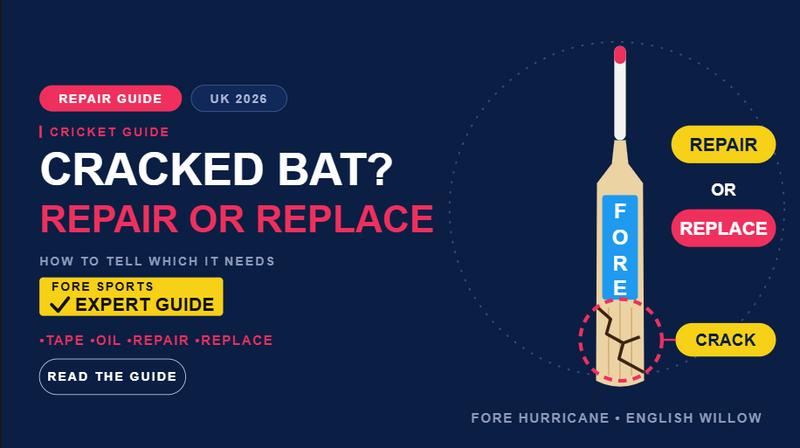
When to leave it to a workshop. If the old facing has to come off, if there are cracks underneath, or if you are not sure what you will find under old tape, a workshop is the safer option. Our guide to what to do about a cracked cricket bat explains how to tell cosmetic marks from damage that needs repair.
As a rough comparison, a branded bat repair kit with oil, a facing sheet, toe guard, sandpaper, grip and cloth sells for around £17.50, so DIY maintenance often costs less than a single workshop job.
Is Servicing Worth It? A Quick Decision Guide
A bat service pays off when the bat is worth saving. Use this as a starting point.
| Your situation | Worth servicing? |
| Good English willow bat, healthy blade, worn facing and grip | Yes. A clean-up or refurb extends its life cheaply |
| Toe split, edge crack or cracked shoulder on a good bat | Usually yes. These are common, repairable problems |
| Broken handle on a bat with a sound blade | Often yes. Re-handling is a standard job |
| Crack running through the blade, or several through-cracks | Usually no. Replace the bat |
| Cheap bat where repairs would cost close to half the price of a new one | Probably not |
| Kashmir willow bat | Rarely. Repair costs can exceed the bat's value |
| Bat you rely on, with sentimental or match-winning value | Worth getting a quote and an honest opinion |
A common rule of thumb is to replace the bat when total repair costs would reach around 40–50% of the price of a comparable new bat. Repeated sanding also removes wood, so there is a limit to how many full refurbishments one blade can take.
How Often Should You Service a Cricket Bat?
There is no single schedule, because it depends on how much you play and how hard you hit. Many makers and retailers suggest looking at your bat at the end of the season, and heavy users often get a refurbishment then. As a rough guide, club players who play and net weekly may only need a full service every season or two, while players who train several times a week or use bowling machines may need one more often. The simplest test is to inspect your bat each autumn and book a service if you see lifting facing, cracks, a worn grip or loose binding.
If you are putting the bat away for winter, our guide to storing a cricket bat over winter shows how to avoid creating new problems.
Cricket Bat Repair in London
Players in London often ask for a local workshop. A few practical points:
- Many workshops take bats by post. Several UK repairers accept bats from anywhere in the country, so you are not limited to what is near you.
- Phone or message before you travel. If you want to drop a bat off, confirm opening hours and whether they accept walk-ins.
- Send photos first. Good repairers will give an honest view, and a rough quote, from photos of the toe, edges, face, back and shoulders.
- Ask what is included. Check whether facing, toe guard, labels and grip are in the price, and what return postage costs.
- Get a quote in writing before work starts.
Fore Sports is a London-based retailer and does not list a bat servicing or repair service. If you buy a new bat from us, our cricket bat range and our bat cover can help you protect it from day one. Our cricket bat protection page explains how covers help prevent transport knocks and moisture damage.
Will Servicing Affect Your Bat's Warranty?
It can. Many makers cover manufacturing faults but exclude superficial cracks, edge and toe damage, and misuse, and some will not guarantee repairs done by non-approved workshops. If your bat is still under warranty, read your maker's terms and contact them or the retailer first, before paying for a repair. Keep your receipt.
How to Choose a Bat Repairer
- Ask for a clear price list or quote. Avoid vague "from" prices with no detail.
- Check what is included. Facing, grip, toe guard, labels and oiling vary.
- Look for before-and-after photos of real repairs.
- Ask about turnaround and postage. Insured, tracked return is sensible.
- Choose someone willing to say no. A good workshop will tell you if a bat is not worth repairing.
- Don't expect guarantees. Most workshops cannot guarantee how long a repair will last, because hitting a cricket ball is hard on any bat.
Conclusion
Servicing is one of the cheapest ways to get another season out of a good bat. A clean-up costs about the same as a few sessions in the nets, and most common repairs cost less than a new set of gloves. Check the bat each autumn, get a written quote with photos, and keep the cost in proportion to what the bat is worth.