If your child has just taken on the role of wicket keeper at their club or school, you might assume any set of cricket batting pads will do the job. They won't. Wicket keeping pads are a completely different piece of equipment, designed around a completely different set of movements - and getting the wrong ones is one of the most common mistakes junior cricket parents make.
Proper junior wicket keeping pads protect the shins, knees, and instep against the impact of a hard ball while allowing the full crouch, lateral dive, and quick footwork that defines good keeping. Ill-fitting or wrong-type pads don't just restrict movement - they create bad habits in young keepers who learn to compensate for uncomfortable kit.
This guide is for:
- Parents buying their first set of kids wicket keeping pads and unsure where to start
- Coaches looking for reliable kit recommendations for academy or club sessions
- Young players who want to know what to look for before they shop
We've researched the UK market for 2026, analysed what's available at key price points, and built a straight-talking guide to help you buy the right pair of junior wicket keeping pads the first time. No filler - just clear advice and honest recommendations.
Wicket Keeping Pads vs Batting Pads: Why the Difference Matters for Junior Players
Before you buy, it's worth understanding why keeping pads are not interchangeable with batting pads. Many parents new to cricket kit miss this entirely.
Batting pads are designed for linear movement - stepping forward, back, and across the crease - and extend well up the thigh for protection against deliveries to the front leg. They're heavier, bulkier, and have a pronounced top flap.
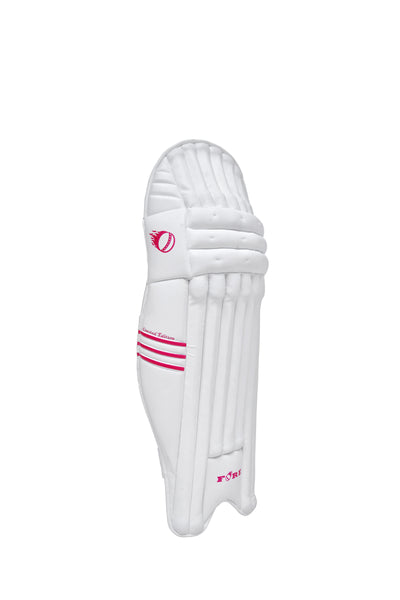
Wicket keeping pads are shorter, lighter, and shaped for a full crouch. The top of the pad sits below the knee roll so the keeper can drop fully into position without the pad digging into the thigh. They also have reinforced instep panels where keepers routinely scuff the inside of the pad sliding laterally across the crease.
For junior players, this distinction matters even more. Kids wicket keeping pads that are too heavy, too tall, or incorrectly shaped will restrict the crouching movement that defines good keeping technique. If a young keeper is struggling to stay low through long spells, the pads are often the first thing to examine.
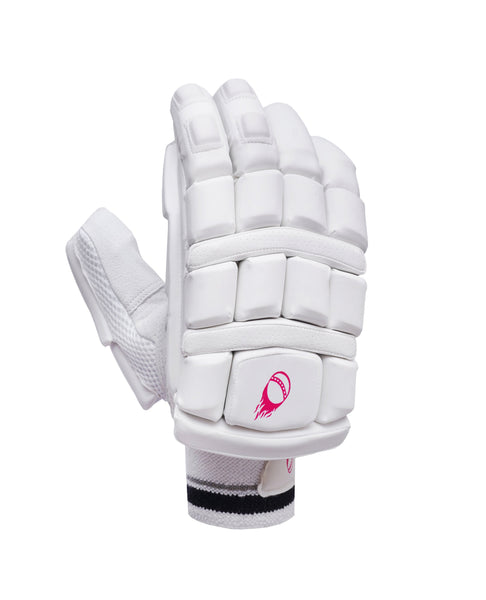
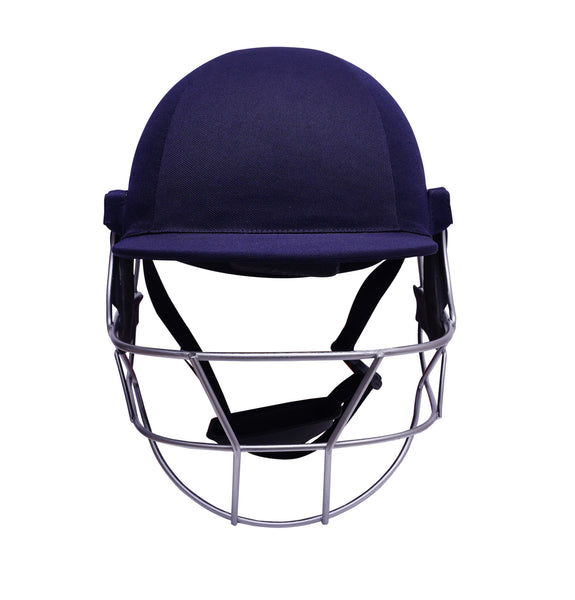
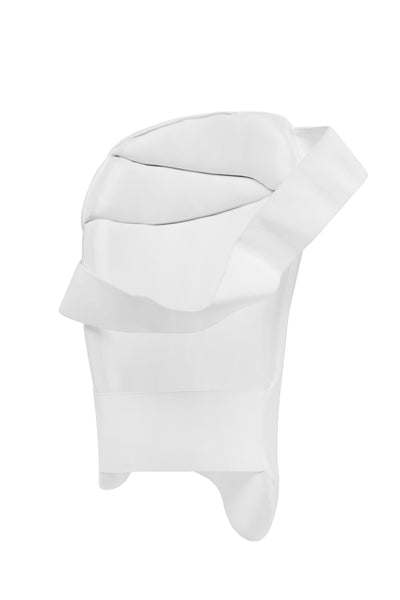
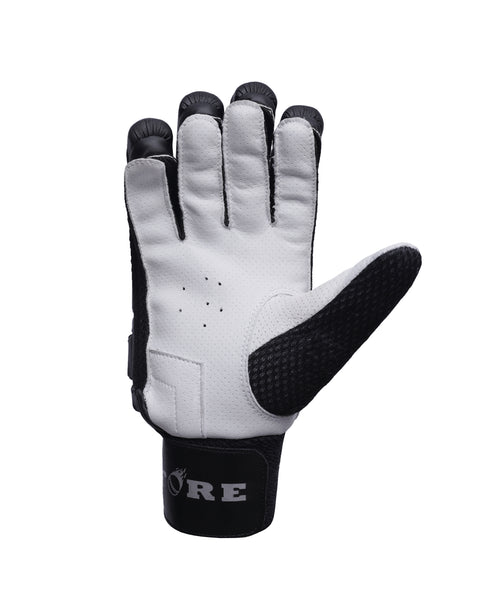
When building a complete junior keeping kit, the full picture also includes wicket keeping gloves, an abdominal guard, and a certified cricket helmet - but the pads are where most buying decisions go wrong.
What to Look For in Junior Wicket Keeping Pads
When choosing youth keeping pads, several features are worth considering carefully.
1. Size and Height
Keeping pads are sized by height - specifically the measurement from the centre of the kneecap down to the top of the instep (where the shoe tongue sits) - not by age. Junior sizes typically cover players aged 7–12, with youth or small adult sizes bridging 12–14 years. A pad that's too long fouls the crouch; one that's too short leaves the knee exposed. Always measure before buying rather than guessing by age.
2. Weight
Weight is the most important factor for young keepers. Junior cricket keeping pads should be noticeably lighter than batting pads - typically 20–30% less. Heavy pads tire developing legs quickly, encourage poor footwork habits, and make the crouching position uncomfortable over a long spell. Look for pads using lightweight foam constructions rather than dense multi-layer systems built for senior pace attacks.
3. Protection Level
At junior level, protection needs to be adequate for the pace your child faces - not over-specced. Entry-level pads for school or soft-ball cricket need solid shin and instep coverage. Pads for club juniors facing hardball need denser foam bolsters, reinforced knee rolls, and ideally a cane-rod construction on the front face for genuine impact absorption against hard cricket balls.
4. Freedom of Movement and Flexibility
Good kids wicket keeping pads don't limit lateral movement. Look for pads with flexible side panels, a multi-section face that bends with the knee, and a design that allows full lateral dives without the pad catching or rolling against the leg.
5. Strap System
Two adjustable straps - one at the calf and one below the knee - are standard. For juniors, wide padded calf straps with easy Velcro adjustment are preferable to narrow straps that can dig in during long sessions. This is especially important for players switching between the field and the crease repeatedly.
6. Instep Reinforcement
Often overlooked when buying junior cricket keeping pads. Keepers constantly scuff the inside of the pad on the ground during lateral movement. Pads without reinforced instep panels - typically a PU or artificial leather panel on the inside face - will wear through in a single season of regular use.
7. Materials and Durability in UK Conditions
The UK climate presents a specific challenge: damp outfields, early-season cold, and - occasionally - actual sunshine. Look for pads with a synthetic or PVC outer shell that resists moisture absorption. Cheap fabric coverings take on water during damp matches, add weight mid-session, and deteriorate quickly. Breathable inner linings help prevent overheating in summer fixtures. Store pads in a proper cricket kit bag between uses to protect the foam from temperature extremes.
8. Value for Money
Junior players grow quickly and typically need a new size every two to three seasons. Expensive pads can be harder to justify at this rate of turnover. However, the cheapest options often compromise on instep reinforcement and strap quality - the two factors that most directly affect longevity. The sweet spot for most families is a mid-range pad that lasts two solid seasons with proper protection throughout.
Top Picks: Best Junior Wicket Keeping Pads for 2026
Here are our recommended choices for junior wicket keeping pads in the UK this season, covering different age ranges, skill levels, and budgets.
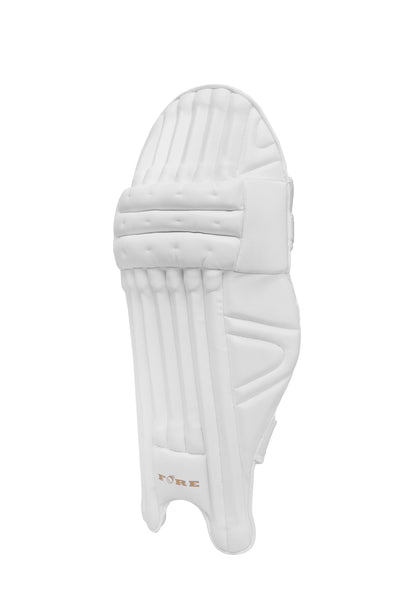
1. Foresports Cricket Keeping Pad (White) - Best Overall for Junior Keepers
Ideal for: Club and school juniors, ages 7–14 | Level: Beginner to Intermediate
The Foresports Cricket Keeping Pad in traditional white is a strong all-round option for junior keepers at club and school level. It uses a high-density foam construction over the main impact zones, with a reinforced shin guard and durable PVC outer shell built to handle damp UK conditions without absorbing moisture and adding weight during a session.
The pad profile is kept short for a proper crouch fit, and the two adjustable straps hold the pad securely without cutting into the calf. The synthetic outer face wipes clean easily - practical when you're dealing with junior kit that sees muddy county ground outfields.
Pair these with Foresports keeping gloves and an abdominal guard for a complete junior keeping setup.
Key Specs:
- Sizes available: Junior and Youth
- Construction: High-density foam, PVC outer shell
- Straps: Two adjustable
- Colour: White
Pros:
- Traditional white design suits most club and school match kits
- Short-profile fit designed specifically for the keeping crouch
- PVC outer shell handles UK wet-weather conditions well
- Easy to wipe clean and maintain after muddy sessions
- Currently on sale - excellent value at £32.99
Cons:
- White requires slightly more post-match cleaning than darker colourways
Why it's a great choice: It covers everything a junior keeper needs at club level - proper protection, a fit built around keeping movement rather than batting, and a price that makes sense for a junior player who'll need a size change in two to three seasons.
View the Foresports Cricket Keeping Pad (White) →
2. Foresports Cricket Keeping Pad (Black) - Best for Modern Kit Aesthetics
Ideal for: Club juniors, T20 formats, youth academy players | Level: Beginner to Intermediate
Functionally identical to the white version, the black Foresports keeping pad has become the more popular choice with junior players who prefer a modern kit look. Black pads hide scuffing, grass marks, and general match wear far better through a long season - a real practical advantage for kit that gets heavy use.
The same short-profile crouch fit and high-density foam protection apply. If your junior plays for a club that permits coloured keeping gear or competes in T20 junior tournaments where coloured kit is the norm, the black pad is the sharper choice. Pair with black or coloured batting gloves for a cohesive look.
Key Specs:
- Sizes available: Junior and Youth
- Construction: High-density foam, PVC outer shell
- Straps: Two adjustable
- Colour: Black
Pros:
- Hides wear, marking, and mud more effectively than white through a full season
- Looks sharp in T20 and coloured-kit junior formats
- Same solid protection as the white version
- Currently the better-discounted option - 28% off at £32.99
Cons:
- Not suitable for clubs that mandate white keeping gear in traditional match formats
Why it's a great choice: For junior players who care about how their kit looks (and they do), the black version offers the same protection with the added practical bonus of disguising match wear. Currently the better deal of the two.
View the Foresports Cricket Keeping Pad (Black) →
Market Context: Brands and Models Junior Keepers Will Encounter
Beyond Foresports' own-brand pads, the following models are widely used in UK junior cricket and worth knowing about when researching. Check Foresports' full keeping pads collection for current stock and the latest additions to their range.
3. Gray-Nicolls GN150 Junior Wicket Keeping Pads - Best Entry-Level Option
Ideal for: First-time keepers, school cricket, ages 6–10 | Level: Entry
The GN150 is designed to be lightweight and easy to use for children trying wicketkeeping for the first time. The classic cashmillon shin bolster and cane-fronted protection provide adequate coverage for age-appropriate bowling speeds while keeping weight low enough for maximum freedom of movement.
Key Specs:
- Sizes: Junior
- Protection: Cane-fronted, cashmillon shin bolster
- Shell: High-grade PVC
- Playing level: Entry Junior
Pros:
- Very lightweight - ideal for younger, smaller players
- Affordable entry point into proper keeping gear
- Trusted Gray-Nicolls build quality
Cons:
- Protection level suits school cricket but may be limiting for competitive club play at U13+
- Limited size range
Browse Keeping Pads at Foresports →
4. Gray-Nicolls Select Junior Wicket Keeping Pads - Best Step-Up Option
Ideal for: Club juniors U11–U15, intermediate level | Level: Club
The Select uses diffuser foam bolsters alongside cane rods for impact protection without excess weight. Extra padding at the instep uses diffuser foam - a weight-saving material that makes the Select one of the stronger youth keeping pads in its price bracket. The youth size option makes it suitable for taller junior players transitioning out of standard junior sizing.
Key Specs:
- Sizes: Youth and Junior
- Protection: Diffuser foam bolsters + cane rods
- Instep: Diffuser foam reinforcement
Pros:
- Good step up in protection for competitive club hardball cricket
- Diffuser foam keeps weight low despite improved coverage
- Available in youth sizing for taller junior players
Cons:
- Higher price point than entry-level options
Browse Keeping Pads at Foresports →
5. Gunn & Moore Prima Junior Wicket Keeping Pads - Best for All-Round Use
Ideal for: U10–U14 club players | Level: Club
GM's Prima is a reliable all-rounder in the youth keeping pads market. The ambidextrous design suits both left- and right-handed keepers, the PVC facing is durable, and the flexible low-density foam construction holds up well over a full club season. The pad weighs approximately 1kg per pair - competitive for this category.
Key Specs:
- Sizes: Small Junior, Junior
- Weight: ~1kg per pair
- Construction: PVC leather facing, low-density foam
- Design: Ambidextrous
Pros:
- Ambidextrous fit works for both left- and right-handed keepers
- Well-balanced weight-to-protection ratio
- Durable PVC facing handles regular use well
Cons:
- Less instep reinforcement than premium options
Browse Keeping Pads at Foresports →
6. Kookaburra Junior Wicket Keeping Pads - Best for Durability
Ideal for: U12–U16 club players, year-round training | Level: Club to Academy
Kookaburra's junior keeping range is known for holding up under heavy, frequent use - making it a sensible choice for clubs or academies where pads are shared among multiple players or used daily through long pre-season training blocks. The reinforced construction outlasts lighter alternatives in shared-kit environments.
Key Specs:
- Sizes: Junior, Youth
- Construction: Reinforced foam, synthetic shell
- Use case: Club training and match play
Pros:
- Robust build handles heavy, frequent use well
- Good instep protection on mid-range models
- Established brand with strong UK distribution
Cons:
- Slightly heavier than some alternatives - worth considering for U11s and younger
Browse Keeping Pads at Foresports →
7. New Balance Junior Wicket Keeping Pads - Best for Active Keepers
Ideal for: U13–U16 club and academy players | Level: Club to Academy
New Balance's junior keeping pads prioritise mobility and a snug ergonomic fit, making them well-suited to technically developing keepers who focus on lateral movement and footwork. The close-profile design keeps the pad tight to the leg, reducing the risk of the pad shifting during dives or quick repositioning.
Key Specs:
- Sizes: Junior, Youth
- Design: Ergonomic close-fit profile
- Best for: Technically developing keepers prioritising movement
Pros:
- Excellent mobility - well-suited to keepers actively working on technique
- Low-bulk profile, clean lines
- Youth sizing available for taller junior players
Cons:
- Premium price point
Browse Keeping Pads at Foresports →
8. Hunts County Envy Junior Wicket Keeping Pads - Best Budget Option
Ideal for: School cricket, beginners, ages 7–11 | Level: Entry
The Hunts County Envy is a reliable budget option for parents who want proper junior cricket keeping pads at school or beginner level without committing to a full club-grade pad. Available in small junior and junior sizes, with a wide calf strap, polyurethane construction, and ambidextrous design.
Key Specs:
- Sizes: Small Junior, Junior
- Construction: Polyurethane, lightweight foam
- Strap: Wide calf strap + padded knee roll
- Design: Ambidextrous
Pros:
- Very affordable - ideal for first-season keepers at school level
- Ambidextrous design works for left- and right-handers
- Small junior sizing available for younger players
Cons:
- Not durable enough for weekly competitive club hardball cricket
Browse Keeping Pads at Foresports →
Comparison Table: Junior Wicket Keeping Pads 2026
|
Product |
Best For |
Sizes |
Price (approx.) |
Protection |
UK Weather Ready |
|
Club / school all-rounder |
Junior, Youth |
£32.99 |
Intermediate |
✅ PVC shell |
|
|
T20 / modern kit |
Junior, Youth |
£32.99 |
Intermediate |
✅ PVC shell |
|
|
Gray-Nicolls GN150 |
First-time keepers |
Junior |
Budget |
Entry |
✅ |
|
Gray-Nicolls Select |
Club U11–U15 |
Junior, Youth |
Mid-range |
Club |
✅ |
|
Gunn & Moore Prima |
All-round club use |
Small Junior, Junior |
Mid-range |
Club |
✅ |
|
Kookaburra Junior |
Heavy use / training |
Junior, Youth |
Mid-range |
Club |
✅ |
|
New Balance Junior |
Active mobile keepers |
Junior, Youth |
Premium |
Club/Academy |
✅ |
|
Hunts County Envy |
Budget / beginners |
Small Junior, Junior |
Budget |
Entry |
Moderate |
Buying Guide: Everything Parents and Coaches Need to Know
What Size Wicket Keeping Pads Does a Junior Player Need?
Wicket keeping pads are sized by height - specifically the measurement from the centre of the kneecap down to the top of the instep (where the tongue of a shoe sits) - not by age. This is a more reliable guide than age because junior players vary significantly in leg length at any given year group.
Typical size bands:
- Small Junior / Mini Junior: Under 8 years, approximately 26–31cm measurement
- Junior: Ages 7–12, approximately 32–38cm measurement
- Youth / Small Adult: Ages 12–15, approximately 39–45cm measurement
If your child is between sizes, size up for better knee coverage. This same method is used for batting pad sizing, though the measurements may be listed differently for keeping pads because of the shorter overall profile.
How to Measure a Child for Wicket Keeping Pads
- Have the child sit on a chair with knees at a natural 90-degree angle
- Locate the centre of the kneecap
- Measure in a straight line from the centre of the kneecap down to the top of the instep, where the tongue of the shoe sits
- Note: wicket keeping pad measurements are listed smaller than batting pad measurements for the same labelled size, because keeping pads are intentionally shorter to allow a full crouch
Re-measure at the start of every season. Junior players can grow 2–4cm per year in leg length, which can mean moving up a full size without it being visually obvious. Young cricketers will outgrow their keeping pads - this typically leaves the knee area exposed - and it's important to check fit regularly, not just when the pad looks worn.
Kids Safety Considerations When Buying Keeping Pads
Match the protection level to the play level. Junior cricket protection is sized smaller and calibrated for the lighter 4.75oz junior ball. Adult protective kit sized down to fit a child is a poor fit and over-specced for junior match speeds, which reduces comfort and discourages proper use.
Helmets for wicket keepers are non-negotiable. At junior level, a cricket helmet is required when standing up to the stumps to spin bowling. This is a requirement in ECB-affiliated junior competitions. Ensure your junior keeper has a certified helmet alongside their pads - these are sold separately and are a necessary part of the complete keeping kit.
The complete junior keeping kit should include:
- Junior wicket keeping pads (this guide)
- Wicket keeping gloves with appropriate inner gloves
- Abdominal guard (a box - mandatory for all male junior players)
- Cricket helmet (BS 7928-certified for competitive play)
- Thigh pad (for those who bat as well as keep)
Fit over aesthetics. A pad that doesn't stay in position is a safety risk. Test the strap system before competitive use. Pads should sit snugly without restricting circulation when straps are fastened in the standing position, and should remain in place through the full crouching movement.
Replace when outgrown, not when worn out. A pad that no longer covers the knee because the child has grown is dangerous, even if the material still looks fine. Check fit at the start of each season, not just when purchasing.
Best Brands for Junior Wicket Keeping Pads in the UK
For parents new to cricket kit, here are the brands most commonly found in UK junior cricket:
- Gray-Nicolls - long-established, trusted by ECB-affiliated clubs, strong junior range from entry through to club level
- Gunn & Moore (GM) - popular in schools and clubs, competitive pricing, good size range coverage
- Kookaburra - Australian heritage, strong durability record, widely available through UK retailers
- New Balance - newer to cricket equipment but well-regarded for ergonomic fit at academy level
- Foresports - UK cricket retailer offering own-brand pads at strong value, covering junior and youth sizes, with free shipping on orders over £100
Frequently Asked Questions
Q: Are wicket keeping pads the same as batting pads?
No. Wicket keeping pads are shorter, lighter, and shaped differently to allow a full crouch behind the stumps. Batting pads extend higher up the thigh and are heavier because they need to protect a standing batter against fast deliveries. Using batting pads for keeping restricts movement and makes the crouching position uncomfortable over any length of time. Always buy pads labelled specifically for wicket keeping.
Q: What age should a junior player start using proper wicket keeping pads?
As soon as a child begins keeping wicket in hardball cricket, they need proper kids wicket keeping pads. For soft-ball formats, this is less critical, but even then, a properly fitted lightweight pad helps develop good habits around crouching position and lateral movement. Most junior players start keeping seriously from around age 8–9.
Q: How long do junior wicket keeping pads last?
With regular match and training use, most junior pads last two to three seasons before foam compression reduces the protection level or the child grows out of them. Check fit and condition at the start of each season - particularly knee coverage and strap integrity. Store them in a cricket kit bag in a well-ventilated area between seasons.
Q: Can my child use one pair of pads for both keeping and batting?
No. The two types serve different functions and are built differently. If your child both bats and keeps, they need a separate pair for each role. Many clubs keep a shared set of junior cricket keeping pads for rotation, which reduces the cost for individual families.
Q: Do junior wicket keeping pads need to meet any safety standards in the UK?
Pads themselves do not carry a specific certification standard in the same way helmets do (BS 7928). However, for cricket helmets used by junior keepers standing up to spin, a BS 7928-certified helmet is a requirement in ECB-affiliated junior cricket. When putting together a complete keeping kit, factor the helmet in alongside the pads - it's not optional at competitive junior level.
Conclusion
Choosing the right junior wicket keeping pads isn't complicated once you understand what you're actually buying. The key takeaways:
- Keeping pads are not batting pads. Always buy the right type for the role.
- Measure the leg from kneecap to instep - don't guess by age.
- For UK conditions, a waterproof PVC shell is worth prioritising.
- Match the protection level to the bowling your child currently faces, not what they might face in five years.
- Replace pads when your child outgrows them, not just when they look worn.
Whether you're buying your child's first set of youth keeping pads or upgrading from an outgrown pair, Foresports stocks junior keeping pads built for club and school level - with fast UK delivery and current-season pricing.