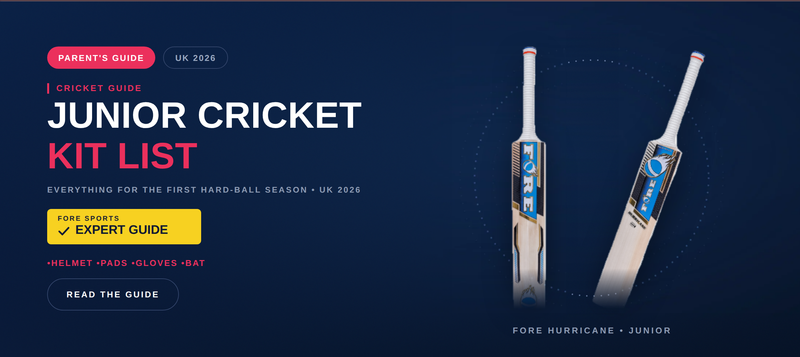
For most children starting hard-ball cricket, the best junior cricket bat is a £90 to £150 English willow bat from an established maker, in the right size. Spend £175 to £250 only once they're in a district, county or academy squad, or in their last junior size.
|
Best for |
What to look for |
Typical price |
|
First hard-ball season |
Entry-level junior English willow, mid-blade sweet spot, light pickup |
£80 to £100 |
|
Tight budget |
An entry-level English willow bat bought in an end-of-season sale |
About £55 to £80 on sale |
|
Regular club and school juniors |
Mid-grade English willow from an established maker |
£100 to £175 |
|
Ready to play out of the box |
A bat sold knocked in, oiled and with a protective face |
£150 to £230 |
|
District, county and academy juniors |
Higher-grade English willow with a lighter pickup |
|
|
Softball and garden cricket |
A light Kashmir willow or plastic bat |
£25 to £50 |
Prices checked on 3 October 2026. New 2027 ranges arrive from November. Grade tiers and price bands carry across from one season to the next, so this advice holds as model names change.
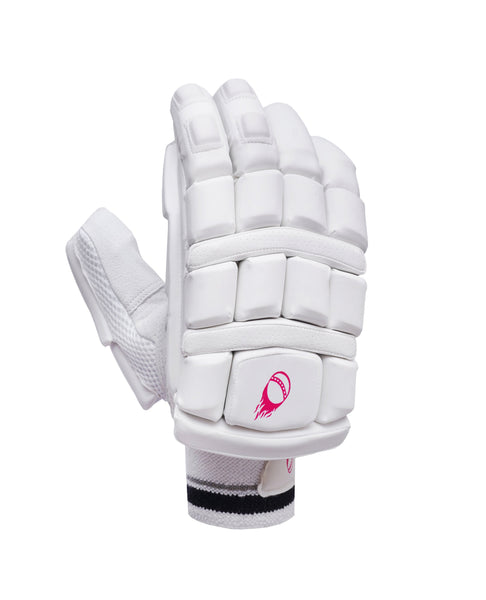 Premium White Batting Gloves£45.99£34.99 Sale
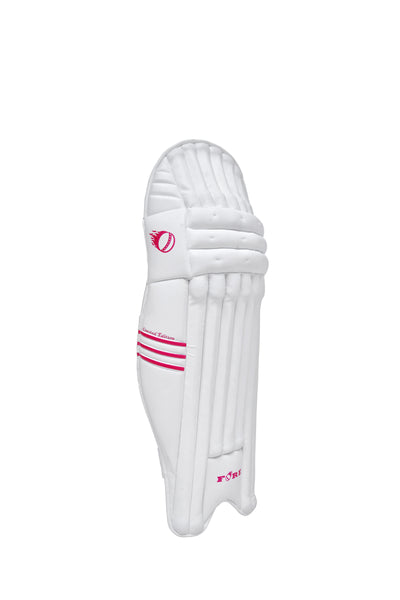 White Cricket Batting Pads£55.99£44.99 Sale
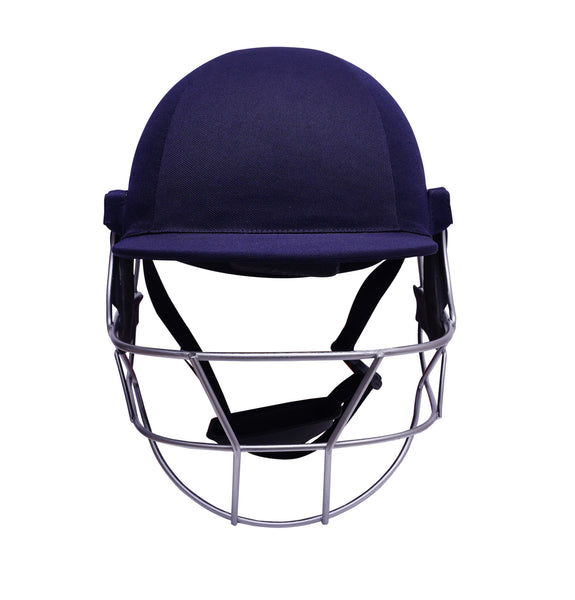 Premium Cricket Helmet (Blue)£47.99£42.99 Sale
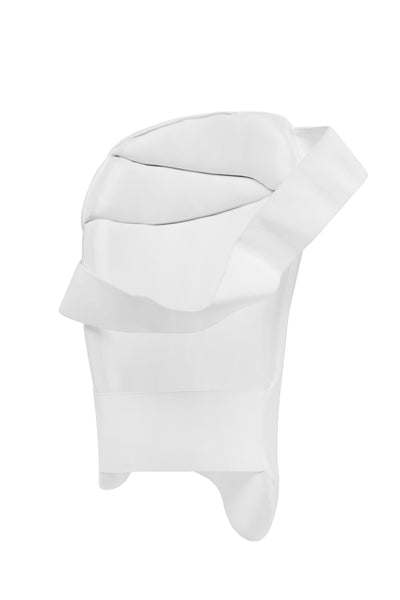 White Thigh Pad - Large£42.99£34.99 Sale
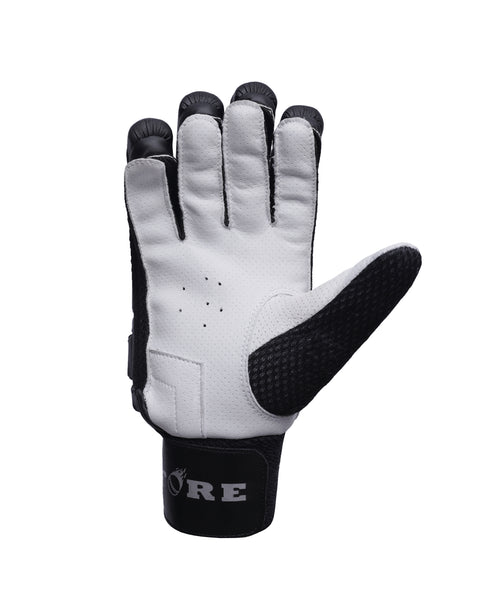 Premium Black Batting Gloves£45.99£34.99
 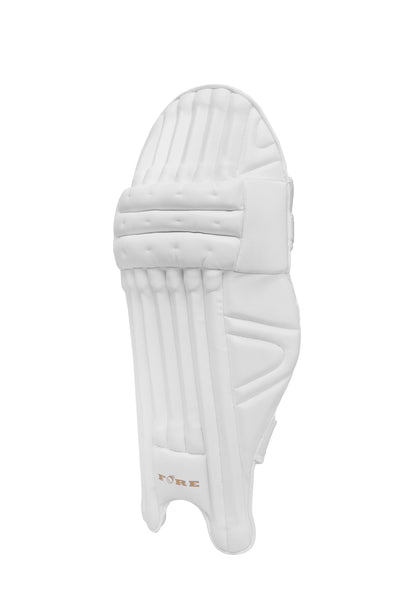 Premium Cricket Batting Pads£69.99
 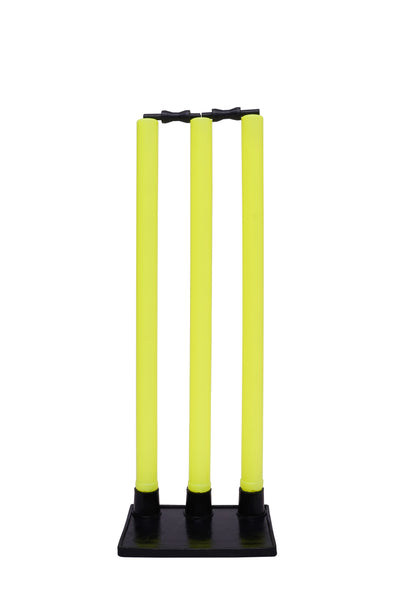 Heavy Base Cricket Stumps£29.99 SalePremium White Batting Gloves£45.99£34.99 SaleWhite Cricket Batting Pads£55.99£44.99 SalePremium Cricket Helmet (Blue)£47.99£42.99 SaleWhite Thigh Pad - Large£42.99£34.99 SalePremium Black Batting Gloves£45.99£34.99 Premium Cricket Batting Pads£69.99 Heavy Base Cricket Stumps£29.99
How we chose these junior bats
We picked bats a parent can actually buy in the UK this winter, in the sizes juniors use, at a price that makes sense for how long the child will fit the bat. We haven't hit with every bat on this list. The picks are based on each maker's specifications, current UK prices and the stage of cricket each bat suits.
What we looked for:
- English willow for hard-ball cricket. Junior Kashmir bats are made for softball, not a hard ball. Every hard-ball recommendation here is English willow.
- A full run of junior sizes. A bat line that covers size 4 to Harrow lets a child move up a size without relearning a new shape.
- A pickup a child can control. Light enough to swing through a full shot. A bat that's too heavy teaches bad habits that are harder to fix than buying another bat.
- Price against lifespan. A fast-growing child may only fit a size for one season, so we weighted value heavily below £150.
- Preparation. We noted which bats come knocked in, because most parents don't have six to eight hours spare for a mallet.
What we didn't weight: stickers, player endorsements or grain count. They add to the price and do nothing for a nine-year-old's cover drive.
Best junior cricket bats under £100: first hard-ball season
Under £100 is the right budget for a child in their first season of hard-ball cricket. A first junior English willow bat typically costs £50 to £75, and end-of-season sales regularly bring £90 to £100 bats into that range.
What a good sub-£100 junior bat looks like
- English willow, not Kashmir, if they're playing with a hard ball.
- A mid-blade sweet spot. It's the most forgiving position for a young batter still finding their stance.
- A traditional, balanced shape rather than a chunky, oversized profile.
- A lower grade is fine. More blemishes and a slightly longer playing-in period don't matter in a first season.
Where the value is
Most established makers sell an entry-level junior English willow bat at £80 to £100 full price. End-of-season sales, from September through winter, often take 20% to 40% off junior models. That can bring a £100 bat down to £55 to £80, which is the best value you'll find for a first hard-ball bat.
What you won't get under £100
Higher-grade willow, a very light pickup for a big profile, or a bat that's ready to play straight away. None of those matter much in a first season. A correct size and proper knocking in matter far more.
Best junior English willow bats from £100 to £250
This is the tier for juniors who play every week. Below £175 suits regular club and school cricket. £175 to £250 suits district, county and academy players facing quicker bowling.
£100 to £175: regular club and school juniors
A mid-grade junior English willow bat from an established maker is the best value for most juniors who play weekly. It's a clear step up in willow from entry level without a big jump in price.
The main choice at this level is shape:
- A mid-to-high sweet spot with a light pickup suits quick hands and back-foot play. If you're not sure, start here. A lighter pickup helps most juniors more than anything else.
- A low middle suits front-foot drivers who like to hit through the line.
Player-signature junior bats in this band often cost around £20 more than the same grade without the name. That's only worth it if the connection gets your child practising more, which is a fair reason.
£175 to £250: district, county and academy juniors
Higher-grade willow should perform sooner after knocking in, and a lighter pickup starts to matter against quicker bowling. This is the point where extra money makes a difference you'll notice.
What to look for:
- Higher-grade English willow with straighter grain and fewer blemishes.
- The lightest pickup your child can find in their stance. Have them hold a few bats if you can.
- Factory preparation, if you don't have six hours for a mallet. Some junior bats are sold knocked in, oiled and with a protective face fitted. They still need a few net sessions with old balls.
Our Hurricane and Tornado junior bats
Price: Hurricane £229, Tornado £249 · Willow: English · Sizes: 4, 5, 6 and Harrow
Our own junior bats are crafted in the UK with a pure cane handle, and the size 5 Tornado is made from Grade 1 English willow. They're priced for juniors already in pathway cricket, not first-season players. Plan to knock them in yourself, or ask us about preparation before you order.
Above £250
Junior player editions, at around £300, use the best junior clefts a maker has. They make sense only for a child in their last junior size who plays several hard-ball games a week. For everyone else, the money is better spent on a helmet and pads that fit.
Best size 5 cricket bat
Size 5 usually suits children around 10 to 11 years old and roughly 150 to 157cm tall, though makers' charts differ by a few centimetres. It's often a child's first English willow bat, and a fast-growing child may only fit it for one season.
That short lifespan is why value matters most at size 5:
- First hard-ball season: an entry-level junior English willow bat at £80 to £100, or less in a sale.
- Regular club cricket: a mid-grade junior bat at £100 to £150.
- County or academy squad: a higher-grade bat at £175 to £250, such as our Tornado size 5 in Grade 1 English willow (£249) or our Hurricane size 5 (£229).
If your child is near the top of the size 5 range, don't buy a premium size 5. Spend the money on the size 6 or Harrow they'll move to next.
Best size 6 cricket bat
Size 6 usually suits children around 11 to 13 and roughly 157 to 163cm tall. It's the last size before Harrow, so it's often a child's first bat in competitive age-group cricket against a harder, faster ball.
Spending a bit more at size 6 makes more sense than at size 5. The child is stronger, the bowling is quicker and a lighter pickup starts to show:
- Regular club cricket: a mid-grade junior bat at £100 to £175.
- County or academy squad: a higher-grade bat at £175 to £250, such as our Hurricane size 6 (£229) or Tornado size 6 (£249). A bat sold ready to play is worth considering if you're short of time.
At size 6, check weight before you buy. Some size 6 bats are built with a fuller, more senior-style profile, which can make them heavier in the pickup than a growing child can control. If they struggle to hold it out straight in their top hand for 30 seconds, it's too heavy.
Harrow: the step before an adult bat
Harrow is the bridge between junior and Short Handle bats. A child whose growth has slowed can get two seasons from it, which is the best case for spending more on a junior bat. Our Hurricane Harrow and Tornado Harrow are built for this stage.
Best cricket bat for kids playing softball or garden cricket
For softball, tape-ball and garden cricket, the best bat for a child is a light Kashmir willow or plastic bat, not English willow. Expect to pay £25 to £40 for a softball Kashmir bat.
A simple way to match bat to age and type of cricket:
- Ages 4 to 8, garden and beach: a plastic bat. Light, weatherproof and cheap to replace.
- Softball at school or club All Stars and Dynamos sessions: a Kashmir willow bat in the right size.
- First hard-ball matches: move to English willow. Kashmir bats aren't built for a hard ball.
One rule applies at every age: the lighter the better. Young children have little strength or technique, so bat speed is where their power comes from.
Junior cricket bat size chart
Size a bat by height, not age. If your child sits between two sizes, choose the smaller one.
|
Size |
Player height |
Typical age |
Bat length |
|
Size 1 |
120 to 129cm |
4 to 5 |
64cm |
|
Size 2 |
129 to 137cm |
6 to 7 |
68cm |
|
Size 3 |
137 to 144cm |
8 to 9 |
72cm |
|
Size 4 |
144 to 150cm |
9 to 10 |
76cm |
|
Size 5 |
150 to 157cm |
10 to 11 |
78cm |
|
Size 6 |
157 to 163cm |
11 to 13 |
80cm |
|
Harrow |
163 to 168cm |
12 to 15 |
82.5cm |
Based on typical UK maker size charts. Makers' charts vary by a few centimetres, so check the chart for the bat you're buying. A simple check: with the bat standing upright beside them, the top of the handle should reach the top of their thigh.
Five mistakes parents make with junior bats
- Buying a size to grow into. A bat that's too long or heavy makes a child drag it through the shot and builds bad habits.
- Buying English willow for softball. It costs more and gains nothing.
- Paying for a top grade too early. A £250 size 4 bat will be outgrown long before its willow quality makes a difference.
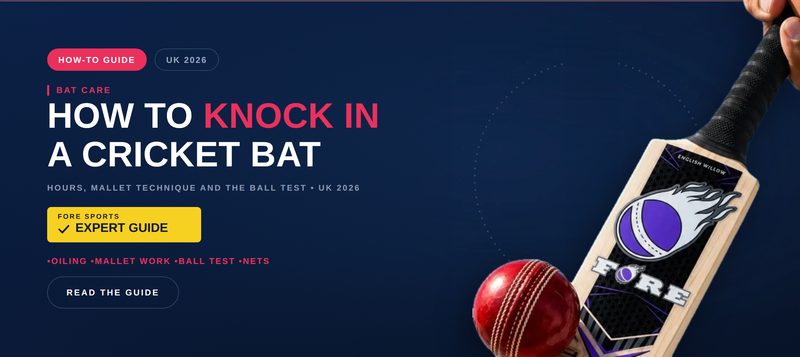
- Skipping knocking in. An unprepared English willow bat needs six to eight hours with a mallet before it faces a new ball, unless it's sold ready to play.
- Judging by the weight on the label. Two bats with the same weight can pick up very differently. Let your child hold it in their stance if you can.
After buying, a bat cover, a toe guard and edge tape will help the bat last until they outgrow it.