Wicket keeping pads can be worn while batting, but they should not replace proper batting pads. They are built for a different job: keeping a wicketkeeper light and mobile behind the stumps. Batting pads give the coverage you need facing a hard ball, so for wicket keeping pads for batting, the sensible approach is to use the right pad for each role.
Short Answer: Can You Bat in Wicket Keeping Pads?
Yes, you can physically bat in wicket keeping pads, and the Laws of Cricket do not ban it. But it is not recommended against a hard ball. Keeping pads are shorter and lighter, with less coverage above the knee, so they protect a batter less well than batting pads. For batting, wear batting pads designed for facing the bowling.
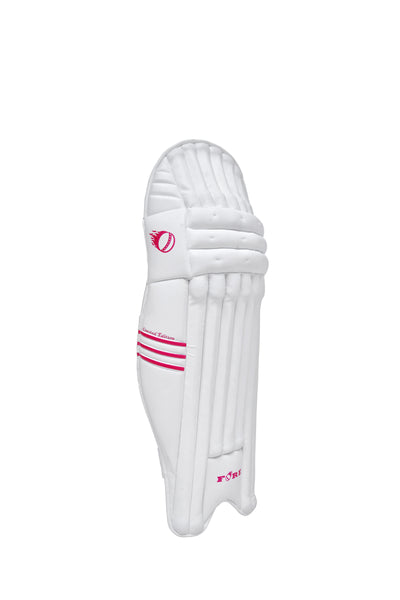
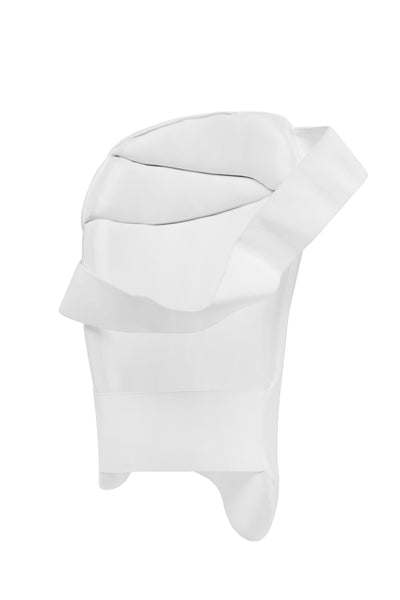
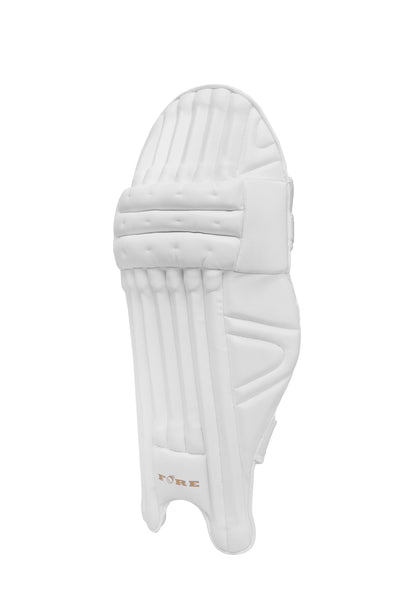
Wicket Keeping Pads vs Batting Pads
The two pads look alike but are designed around opposite needs. Here is how keeping pads vs batting pads compare.
|
Feature |
Wicket keeping pads |
Batting pads |
|
Main purpose |
Keep a wicketkeeper protected while crouching and moving |
Protect a batter facing deliveries |
|
Length |
Shorter, sitting clear of the thigh |
Longer, extending up the thigh |
|
Weight |
Lighter |
Heavier |
|
Coverage |
Concentrated around and below the knee |
More cover above the knee and lower thigh |
|
Mobility |
High, for crouching and diving |
Lower, prioritising protection |
|
Padding design |
Slimmer profile, often with reduced wings and top flap |
Bulkier, with side wings and more bolstering |
|
Best use |
Behind the stumps |
Batting against a hard ball |
Exact build varies between brands and models, so treat this as the general rule rather than a fixed spec.
Why Wicket Keeping Pads Are Not Suitable for Batting
They Offer Different Coverage
Wicket-keeping pads are generally shorter than batting pads. They are cut to sit clear of the thigh so a keeper can drop into a full crouch without the top of the pad digging in. That works perfectly behind the stumps, but it leaves more of the front leg exposed, which is the area a batter most needs protected when a ball strikes the front pad. A batter's leg takes the blow square-on, and keeping pads simply do not extend far enough up the thigh to cover it well.
They Are Designed for Mobility Behind the Stumps
A keeper is constantly moving: crouching low, springing up to take the ball, and diving to either side. Keeping pads are light and flexible to allow that lateral movement and quick footwork over long spells. A batter does not need that range of motion. They need the pad to stay in place and absorb a direct hit. The same lightness that helps a keeper works against a batter at the crease.
Batting Pads Are Built for Facing Deliveries
Batting pads are made for one job: standing in line and taking impact from a hard ball travelling at pace. They carry more padding in the main impact zones and extend further up the leg, with bolstering and wings that protect the knee from front-on. That is exactly the protection a batter wants, and exactly what keeping pads trade away for mobility. If you are facing a hard ball, batting pads are the right tool.
Match Rules May Vary
In most settings the Laws of Cricket allow a batter to wear external leg guards and do not specifically ban keeping-style pads, so batting in keeping pads is usually permitted rather than against the rules. That said, leagues, clubs and junior or age-group competitions can set their own equipment requirements, and some are stricter. If you are unsure, check the rules for your competition. The main reason to avoid it is protection, not permission.
Can You Use Wicket Keeping Pads for Batting in the Nets?
It is tempting to treat nets as low-risk and pad up with whatever is in the bag. But a hard ball in the nets hits just as hard as one in the middle. For any hardball net session, use proper batting pads, just as you would in a match.
Keeping pads are only a reasonable choice for batting when the ball is soft and the impact is low, such as:
-
Tape-ball or tennis-ball games
-
Soft-ball throwdowns or drills
-
Casual back-garden cricket
The moment a hard ball is involved, switch to batting pads.
What Should You Use If You Keep Wicket and Bat?
Most keepers bat at some point, and the simple answer is to carry both. Use your keeping pads behind the stumps, and switch to a pair of cricket batting pads for your innings. This matters most if you bat in the top or middle order, where you face more of the quick bowling.
The same applies to junior players. A young keeper who also bats needs proper junior batting pads for their innings, not a single pair stretched across both roles to save money. Keeping one pair for each job costs a little more, but it gives the right protection in the role where it counts.
Choosing the Right Wicket Keeping Pads
For keeping, lighter and shorter is exactly what you want, so keeping pads are the right choice behind the stumps. The aim is the most protection you can get without restricting your crouch or your movement.
Browse a range of wicket keeping pads in junior and adult sizes, and measure before you buy using our wicket keeping pads size guide so you get the length right. If you also bat, remember you will need a separate pair of batting pads too.
Conclusion
Can you use wicket keeping pads for batting? You can, and it is not against the Laws of Cricket, but it is the wrong choice against a hard ball. Keeping pads trade coverage for mobility, which suits a keeper and leaves a batter under-protected. Use batting pads for batting and wicket keeping pads for keeping, and if you do both, carry a pair of each.
FAQs
Q: Can keeping pads be used for batting?
Physically yes, and the Laws of Cricket do not ban it, but it is not recommended against a hard ball. Keeping pads are shorter and lighter, with less coverage above the knee than batting pads. They protect a batter less well when facing the bowling, so use proper batting pads when you bat.
Q: Are wicket keeping pads safe for batting in the nets?
A hardball net session carries the same impact risk as a match, so you should wear proper batting pads rather than keeping pads. Keeping pads give less coverage where a batter needs it. They are fine for keeping practice or soft and tape-ball games, but not for facing a hard ball in the nets.
Q: What is the difference between batting pads and wicket keeping pads?
The main difference between batting pads and wicket keeping pads is coverage and weight. Batting pads are longer and heavier, with more protection above the knee for facing deliveries. Keeping pads are shorter and lighter, designed for crouching and moving behind the stumps. The two are built for different roles and are not interchangeable.
Q: Can you use batting pads for wicket keeping?
You can, but it is not ideal. Batting pads are longer and heavier, so they restrict the crouch and tire you over a long spell behind the stumps, and they can wear quickly at the top flap. Dedicated keeping pads are lighter and shaped for the role, so they are the better choice for keeping.
Q: Do wicketkeepers need separate batting pads?
If you bat at any point in the innings, yes. Keeping pads do not give a batter enough coverage against a hard ball, so a keeper who bats should carry a separate pair of batting pads for their innings. Use keeping pads behind the stumps and batting pads at the crease.
```html ```