

Best Protective Gear For Cricket Wicket Keepers: Complete 2026 Kit Guide
May 22 , 2026
The wicket keeper is on the field for every ball of the opposition's innings. No other fielder takes as many impacts, crouches as many times, or works as hard behind the stumps across a full match day. That demands equipment built specifically for the job - and the right wicket keeper protective gear makes the difference between a keeper who is safe and comfortable all day and one who is nursing sore hands by the 20th over.
This guide covers everything a wicket keeper needs: what to buy, what to look for, how to choose the right wicket keeping equipment for your age and level, and the mistakes that catch out buyers every season. Whether you are shopping for your own kit, helping a junior player get started, or advising a team, this is the complete picture.
Why Wicket Keepers Need Specialist Protective Gear
It is tempting to reach for a batter's gloves or borrow a pair of batting pads and think the job is done. It is not. Wicket keeping places demands on your gear that batting equipment is never designed to meet.
The Demands of Keeping Behind the Stumps
A keeper crouches into a low stance for every delivery. They spring forward, sideways, and upward to take catches and complete stumpings, often from close range against fast bowlers or awkward spin. Thrown balls from the outfield arrive at unpredictable angles and speeds.
Batting gloves have no webbing between thumb and forefinger - meaning you cannot form a clean catching pocket. Batting pads have a raised knee roll that sits directly in the path of the deep crouch position keeping demands. Wearing the wrong equipment does not just hurt performance; it increases the risk of finger and hand injuries that can keep a keeper out for weeks.
Good cricket keeper gear is purpose-built for all of this. It protects without bulk, allows full movement, and is designed to take repeated impact match after match.
Complete Wicket Keeper Protective Gear Checklist
Before we go into detail on each item, here is the full equipment list a wicket keeper needs.
|
Item |
Essential? |
Notes |
|
Wicket keeping gloves |
✅ Essential |
Not batting gloves - keeping-specific only |
|
Wicket keeping inner gloves |
✅ Essential |
Often overlooked; critical for comfort |
|
Wicket keeping pads |
✅ Essential |
Not batting pads |
|
Abdominal guard (box) |
✅ Essential |
Hard box worn inside box shorts or with belt |
|
Helmet |
✅ Essential when standing up |
Required; recommended for all keepers |
|
Thigh guard |
Recommended |
Especially when standing up to the stumps |
|
Chest guard |
Optional |
Useful for younger keepers or pace |
|
Supportive base layer |
Optional |
Compression shorts or padman shorts help |
|
Cricket kit bag |
Recommended |
Keep kit dry, organised, and protected |
Wicket Keeping Gloves - The Most Important Piece of Kit
Keeping gloves are the defining piece of wicket keeper protective gear. Get these right and the rest of the kit falls into place.
A proper pair of keeping gloves has a webbed palm between the thumb and index finger - this is a legal requirement under MCC Law 27.2 and the most important structural feature. The web creates a catching pocket that makes clean takes significantly easier and reduces the risk of the ball striking an unprotected gap between the fingers.
Browse the wicket keeping gloves range at Fore Sports to see the full selection in junior and adult sizes.
What to Look for in Keeping Gloves
- Palm material: The catching surface is typically rubber - look for a textured or dimpled rubber that provides grip in both dry and damp conditions. Rubber palms are more effective than smooth leather for catching because they create friction between the ball and the glove.
- Padding and finger protection: Each finger should have foam or rubber padding, with reinforced fingertip caps. The thumb, which takes significant stress from caught balls, needs solid protection without restricting movement.
- Wrist support: A well-padded, adjustable wrist strap keeps the glove secure during diving and lateral movement. If the glove shifts on your hand when you catch, you have lost control of the moment.
- Back of hand: The back of keeping gloves is typically leather. This side is never intended for catching - it protects the knuckles and back of the hand from impact.
- Sizing: Adult and junior sizes are different, not just scaled-up versions. Adult gloves on a junior keeper will slip, shift, and fail to protect correctly.
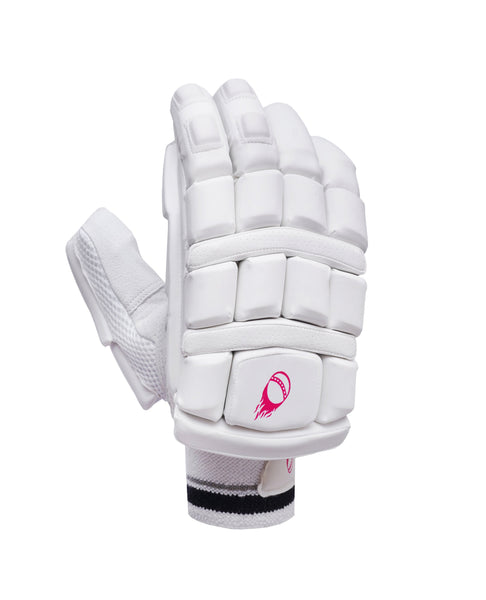
The White Keeping Gloves from Fore Sports are built with a premium leather palm, reinforced webbing, and proper inner padding - a solid option for club and match-day play. For a coloured-kit alternative, the Black Keeping Gloves carry the same specification.
How Should Wicket Keeping Gloves Fit?
The glove should fit snugly enough that it does not move independently of your hand when you catch. There should be no excessive room at the fingertips - a glove that is too large leaves a gap between your finger and the fingertip padding that reduces protection and dulls feel. At the same time, the fit should not cut off circulation during long stints. If your fingers feel tight or numb after 20 minutes, size up.
A useful rule of thumb: keeping gloves are often sized slightly larger than batting gloves because you want a generous catching area, particularly in the web. Do not assume your batting glove size carries over.


Wicket Keeping Pads - Built for Movement, Not Just Protection
How Keeping Pads Differ From Batting Pads
This is the most common equipment mistake in club cricket. A batter's pads have a pronounced knee roll at the top, a taller profile, and stiff construction designed to absorb the impact of a ball striking the front leg while standing upright at the crease.
A keeper needs to crouch deeply - sometimes for 20 balls in a row. Batting pads make this physically impossible. The raised knee roll blocks the knee from bending into a full crouch, and the taller construction restricts lateral movement.
Wicket keeping pads are cut lower, shorter, and at an angle that allows the knee to move freely. They protect the shin and knee without adding unnecessary bulk. The strapping is lighter and designed for the dynamic movements of a keeper: diving, springing, lateral steps.
What to Look for in Keeping Pads
- Height: A keeping pad should be noticeably shorter than a batting pad. Check that when crouching, the pad does not push into the back of the knee.
- Weight: Lightweight construction is critical. Heavy pads slow a keeper down when moving quickly to take a wide or diving catch.
- Knee flexibility: The knee protection should allow a full range of bend. Rigid knee sections cause fatigue over a long spell.
- Fit and strapping: Three-strap systems provide a secure fit without restricting circulation. Elastic straps hold better than velcro-only systems during movement.
- Shin protection: Foam-padded shin protection takes the impact of deflections from the pitch surface and close-range throws.
The Cricket Keeping Pad (White) from Fore Sports is a low-profile design built for crouching and lateral movement - the correct construction for the keeping position.
Helmet and Close-In Protection
Wicket keepers standing up to the stumps - particularly against spin bowlers - are in a high-risk position. The ball can kick awkwardly off the pitch or edge sharply in an unexpected direction and reach the keeper's face before any evasive movement is possible.
Most players at club level and above now wear a helmet when standing up to the wicket. This is strongly recommended even for social cricket, particularly against bowlers who turn the ball sharply. Junior keepers should always wear a helmet.
Browse cricket helmets at Fore Sports for options suitable for the keeping position. Look for a helmet with a full grille rather than a single bar, which offers better protection for a keeper's face-on position to the ball. A neck guard extension is a worthwhile addition.
Standing back to pace bowlers, a helmet is still recommended - thrown balls from the outfield and balls that carry through at unexpected pace can cause serious injury.
Abdominal Guard, Thigh Guard, and Extra Safety Items
Abdominal guard (box): Non-negotiable for any male cricketer taking the field. Worn inside box shorts, padman shorts, or with a purpose-made belt holder, a hard box protects against the most painful impact a keeper will face. Do not play without one. Fore Sports stocks abdominal guards for both adult and junior players.
Thigh guard: When standing up to the stumps, a thigh guard on the leading leg is advisable. Close-in, a ball can deflect off the bat and strike the upper leg before a keeper can react. A thigh pad adds protection without restricting crouch or movement.
Chest guard: Optional for adult keepers at club level, but worth considering for junior players still building their reflexes, or for any keeper standing up to bowlers who generates significant pace off a short pitch.
Base layers and padman shorts: Compression shorts or padman shorts keep pads in position, reduce chafing, and provide a secure way to hold the box. They are also significantly more comfortable than wearing a box belt over bare skin during warm weather.
Junior Wicket Keeper Gear vs Adult Keeper Gear
Junior keepers face the same risks as adults - they just face them with smaller hands and shorter legs. Correctly sized junior equipment is not the same as buying a small adult size; it is different in construction.
Junior keeping gloves are built with smaller hand dimensions, lighter internal padding (appropriate for ball speeds at junior level), and shorter finger sections. An adult glove on a junior keeper is dangerous - the fingertip protection sits above the fingertips, leaving fingers exposed.
Junior keeping pads are shorter in height and lighter. A younger keeper does not need the same level of impact protection as an adult facing county-paced bowling, but they do need full freedom of movement and properly fitted protection around the shin and knee.
Growth: Buy junior equipment that fits correctly now rather than with room to grow. A pad that is too tall causes the same problem as the wrong adult pad - it blocks the crouch. Junior equipment at correct sizing costs a fraction of what a missed catch or a hand injury costs.
Weight: Junior keepers tire more quickly under heavy equipment. Prioritise lightweight options over maximum padding at junior level. A young keeper who is physically comfortable will keep better and develop better habits.
All Fore Sports wicket keeping equipment is available in correctly proportioned junior and adult sizes.
How to Choose the Right Keeper Kit Cricket Players Can Trust
Standing Up vs Standing Back
This single factor changes what your equipment needs to do.
Standing up to the stumps (against spin and medium-pace): You are in maximum-risk territory. Close to the batsman, facing a ball that can kick or edge in any direction. A helmet is essential. Thigh protection is strongly recommended. Gloves with generous palm webbing and good padding are the priority.
Standing back to pace (deep behind the stumps): The ball arrives at pace with a long carrying time. Gloves with solid palm padding and wrist support matter most. Pads matter less in terms of close-range impact but still need to allow the sprint or dive to a wide.
Many club keepers do both in the same match. Kit should work for both scenarios.
Matching Your Gear to Your Format
T20 and limited-overs cricket: Prioritise lightweight gear. You may be keeping for 20 overs, but those overs involve a lot of fast movement. Lighter pads and well-fitting gloves without excess bulk aid quick reactions.
Club two-day or weekend cricket: You may be in the field for two full sessions. Comfort becomes more important. Good inners, a well-padded glove, and strapping that does not cut into the leg over a long spell are worth the extra investment.
School cricket: Often on variable-quality pitches with unpredictable bounce. A helmet is essential. Prioritise protection over premium materials.
Keeper Kit Recommendations by Level
|
Player Type |
Gloves |
Inners |
Pads |
Helmet |
Extra Protection |
|
Complete beginner |
Entry-level keeping gloves (junior or adult) |
Yes - essential from day one |
Entry keeping pads |
Yes - always |
Abdo guard |
|
Junior club player |
Properly fitted junior keeping gloves |
Yes |
Junior keeping pads |
Yes |
Abdo + thigh when standing up |
|
Club adult |
Mid-range keeping gloves with leather palm |
Yes - 2 pairs |
Club keeping pads |
Yes |
Abdo + thigh guard |
|
Advanced/match-day |
Full-grain leather palm, professional spec gloves |
Yes - chamois-lined |
Lightweight match pads |
Yes + neck guard |
Full protection kit |
Common Mistakes When Buying Cricket Keeper Gear
Using batting gloves instead of keeping gloves. They have no web, no catching pocket, and no protection in the right places. You will drop catches and risk finger injuries.
Buying gloves that are too large. A loose glove shifts when you catch. Fingertip caps end up sitting above your fingertips, which defeats the protection entirely.
Skipping inner gloves. They cost less than £10 and extend the life of your outers considerably. There is no good reason to keep without them.
Choosing batting pads. The high knee roll on batting pads blocks the crouch position entirely. If you cannot crouch freely, you cannot keep.
Prioritising price over fit. An £80 glove that does not fit your hand is worse than a £35 glove that fits correctly. Fit is the first filter; quality is the second.
Buying for appearance rather than function. The colourway of a glove is not a performance feature. Grip, palm material, webbing quality, and finger protection are.
Not replacing worn inners. A compressed, worn-through inner glove provides no moisture control and very little comfort. Replace them at the start of each season.
How to Care for Wicket Keeping Equipment
Good maintenance keeps expensive gear in playing condition for longer.
After every match or training session:
- Remove keeping gloves and turn them inside out to air dry
- Never pack damp kit into a closed bag - this encourages mould and degrades materials quickly
- Wipe the rubber palm surface with a clean, slightly damp cloth to remove dirt and sweat
Seasonal care:
- Check all straps and velcro for wear at the start of each season; replace before they fail on the pitch
- Inspect pad foam for compression and cracking; compressed foam no longer absorbs impact correctly
- Check webbing on gloves - stitching at the web junction takes repeated stress and can work loose
- Replace inner gloves at the start of each season or whenever the fabric becomes thin
Storage:
- Store pads lying flat, not folded over or forced into a bag sideways
- A good quality cricket kit bag with ventilation prevents the damp-kit problem entirely
- Keep gloves away from direct sunlight when not in use - UV degrades rubber palm surfaces over time
Final Wicket Keeper Protective Gear Buying Checklist
Use this before ordering to make sure nothing has been missed.
Hands and gloves
- Wicket keeping gloves (not batting gloves) - correct size for your hand
- Wicket keeping inner gloves - at least one pair, ideally two
Leg protection
- Wicket keeping pads (not batting pads) - check they allow a full crouch
- Thigh guard - especially if standing up to spin or medium pace
Body and head
- Abdominal guard (hard box) - non-negotiable
- Helmet with full grille
- Neck guard extension (recommended)
- Chest guard (recommended for juniors)
Kit and accessories
- Cricket kit bag to keep equipment dry and ventilated
- Spare pair of inner gloves for long match days
- Padman shorts or compression shorts for comfort
Frequently Asked Questions
Q: What protective gear does a wicket keeper need?
A wicket keeper needs wicket keeping gloves (with webbed palm), keeping inner gloves, wicket keeping pads, an abdominal guard, and a helmet. Thigh protection is also strongly recommended, especially when standing up to the stumps.
Q: Can you use batting gloves for wicket keeping?
No. Batting gloves have no webbing between the thumb and index finger and no catching pocket. They do not protect the right areas of the hand for keeping and will result in dropped catches and a higher risk of finger injury. Always use purpose-made keeping gloves.
Q: Are inner gloves necessary for wicket keeping?
Yes. Inner gloves absorb sweat, reduce friction inside the outer glove, and significantly improve comfort during long spells behind the stumps. They are inexpensive and should be considered essential, not optional.
Q: What is the difference between batting pads and wicket keeping pads?
Batting pads have a high knee roll and tall profile designed for protection while standing at the crease. Keeping pads are shorter, lighter, and cut to allow the deep crouch that keeping demands. A batter's pad physically blocks the crouching position and cannot be used for wicket keeping.
Q: Do junior wicket keepers need different equipment?
Yes. Junior keeping gloves and pads are built to different dimensions - they are not just smaller adult items. Junior gloves have shorter finger sections that put fingertip protection in the correct position for smaller hands. Always buy correctly sized junior gear rather than small adult items.
Shop Wicket Keeping Equipment at Fore Sports
Browse the full range of wicket keeping equipment at Fore Sports - including keeping gloves, inner gloves, and keeping pads for junior and adult players. Free UK delivery on orders over £100.
- Wicket Keeping Gloves
- Wicket Keeping Inner Gloves
- Wicket Keeping Pads
- Cricket Helmets
- Abdominal Guards


