Getting your wicket keeping pad size wrong is one of those mistakes you only make once. Too small and your knee is exposed on a rising delivery. Too big and the pad shifts every time you dive or take a sharp stumping - the last thing you need in a crucial moment behind the stumps.
Size also affects comfort and movement in ways that matter more for a wicket keeper than for almost any other fielding position. A keeper crouches, springs, lunges, and dives repeatedly across a full innings. Pads that fight against that movement slow you down, tire your legs, and affect your concentration. Get the size right, and you barely notice them. Get it wrong, and you'll be adjusting straps between every over.
This guide explains exactly how wicket keeping pads sizing works, gives you a step-by-step measuring method, includes a full sizing chart for juniors and adults, and covers the most common mistakes to avoid. Whether you're buying for yourself or choosing a junior keeping pad size for a child, you'll have everything you need to get it right first time.
Why Wicket Keeping Pad Size Matters More Than People Realise
Most cricketers think about size when buying a bat. Far fewer apply the same care to keeping pads - and it shows.
Protection is the non-negotiable. A cricket ball can travel at speeds well over 70mph at club level. A pad that's too short leaves the lower knee exposed. A pad that sits too high on the leg exposes the instep and ankle. Neither of those gaps is acceptable. Correct sizing means the pad covers exactly the right zone - from just above the knee roll down to a secure fit at the instep - with no exposed areas.
Movement is the competitive edge. Wicket keeping is unlike any other position in cricket in terms of what your legs need to do. You drop into a full crouch as the bowler delivers, come up for a standing delivery, spring wide for a leg-side take, and occasionally launch into a full dive. Pads that are even slightly too long will dig into your thigh when you crouch, forcing you to adjust your stance. That's not just uncomfortable - it changes the position of your hands and affects your ability to take cleanly.
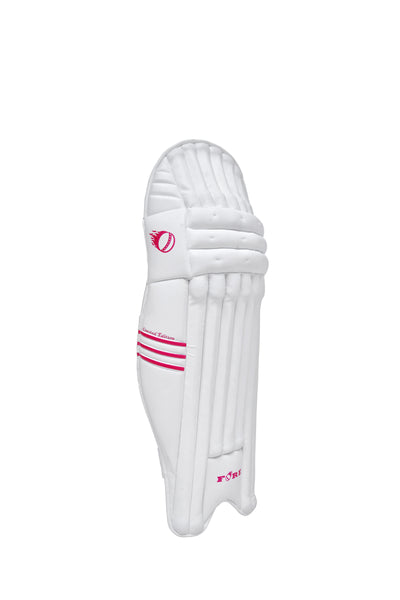
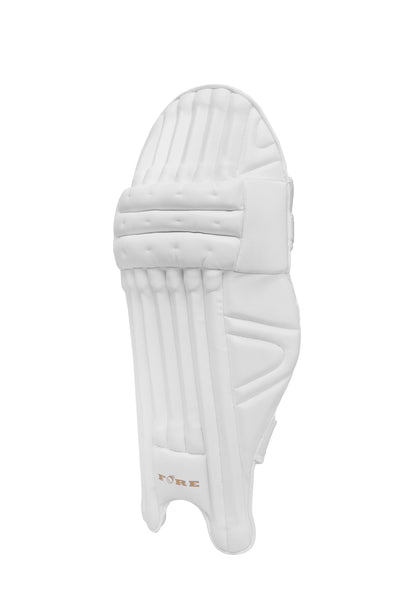
Keeping pads are not batting pads. This is worth saying clearly because it's one of the most common errors beginners make. Batting pads and wicket keeping pads look similar but they're built for completely different jobs. Batting pads are longer, with a prominent top flap to protect the thigh. Keeping pads are deliberately shorter and lower-profile, with a streamlined build designed to allow the full crouch position. Using batting pads for keeping is uncomfortable, restricts your movement, and damages the pads at the top flap. If you're keeping, you need keeping pads.
How Wicket Keeping Pad Sizing Works
The Key Measurement: Knee to Instep
Unlike batting pads - where some manufacturers measure from the kneecap to the top of the instep - the dominant industry standard for wicket keeping pads sizing in the UK measures from the centre of the kneecap down to the top of the instep (the point where the tongue of your shoe sits).
This measurement gives you the pad height you need. The pad should cover comfortably from just above this measurement at the top (over the knee roll) down to a secure sit on the instep without overhanging the toe.
Important note: Some brands express sizing differently. Gunn & Moore, for example, rebranded their adult sizes in 2022 from "Mens" to gender-neutral terms like "Large" and "Medium." Always check the specific brand's size chart alongside the general guide below.
How Keeping Pad Sizes Differ From Batting Pad Sizes
This surprises many players: wicket keeping pads of the same nominal size (e.g., "Junior") are often shorter in actual length than the equivalent batting pad size. This is intentional. The lower profile of keeping pads is what enables the crouch position. So if you've been measured for a Medium batting pad, don't assume Medium keeping pads will automatically fit the same way - always re-measure for keeping pads specifically.
The Role of Strap Adjustment
Most keeping pads have two Velcro straps at the rear: one sits below the back of the knee, one wraps around the lower calf. These straps allow some adjustment for calf circumference and snugness - but they cannot compensate for a pad that's the wrong length. Straps adjust fit around the leg; they do not change the pad's height coverage. Get the length right first, then fine-tune the fit with the straps.
How To Measure for Wicket Keeping Pads: Step-by-Step
You need: a soft measuring tape (or a piece of string and a ruler), cricket trousers or similar thickness clothing on the leg, and cricket shoes on your feet.
Step 1 - Put on your cricket shoes.
The measurement is taken with shoes on. The tongue of the shoe is your lower reference point. Measuring barefoot gives you a slightly different number and may result in ordering the wrong size.
Step 2 - Stand naturally upright.
Don't bend the knee. Stand straight with your weight evenly on both feet.
Step 3 - Find your kneecap centre.
Run your finger across the front of your knee to find the centre of the kneecap - the flat, round bone at the front. This is your upper reference point.
Step 4 - Measure straight down.
Place the top of your tape at the centre of the kneecap and measure in a straight line down the front of the leg to the top of the instep - the point where the tongue of your shoe begins. Do not follow the curve of the shin; measure in a straight line.
Step 5 - Note the measurement in centimetres.
Write it down. Compare to the sizing chart below.
Wicket Keeping Pads Sizing Chart (UK)
The measurements below reflect the standard knee-to-instep method used by the majority of UK cricket equipment brands. Sizes can vary by up to 1–2cm between manufacturers, so always cross-reference with the specific brand's chart where available.
|
Size |
Who It's For |
Knee-to-Instep (cm) |
Approximate Player Height |
Approximate Age |
|
Mini / Small Boys |
Very young beginners |
Up to 28cm |
Under 120cm |
4–7 years |
|
Boys / Small Junior |
Junior beginners |
28–33cm |
120–135cm |
7–10 years |
|
Junior |
Standard junior |
33–38cm |
135–150cm |
10–13 years |
|
Youth / Small Adult |
Older junior / small adult |
38–43cm |
150–165cm |
13–16 years |
|
Adult / Medium |
Standard adult |
43–48cm |
165–180cm |
16+ |
|
Large Adult |
Tall adult |
48cm+ |
180cm+ |
16+ |
Key principle: Always size by measurement, not by age. Two 12-year-olds of different heights may need completely different sizes. The measurement column is the reliable guide; age and height are approximations only.
Choosing Junior Keeping Pad Size: A Parent's Guide
Buying keeping pads for a child or junior player requires a slightly different approach. Here's what to keep in mind.
Measure, Don't Guess by Age
Age ranges on packaging are a rough guide at best. Children's limb proportions vary enormously at the same age. A tall 10-year-old may well need Youth-size pads; a smaller 13-year-old may be better in Junior. Take the measurement above before you buy - it takes two minutes and removes all the guesswork.
Don't Buy to Grow Into
It's tempting to buy one size up so the pads last an extra season. Resist this. Pads that are too long will hang below the knee in the crouch position, interfere with footwork, and may shift during play. More importantly, a pad sitting too high on the leg leaves the knee exposed when the player crouches - which defeats the purpose entirely. Buy the size that fits now.
Check Fit at Least Once Per Season
Junior players grow fast, and they tend to outgrow pads from the top - the knee roll starts to sit lower on the leg, eventually leaving the kneecap exposed. Before every season, re-measure. If the measurement has moved into the next size bracket, it's time for new pads. Don't wait until the gap becomes obvious mid-match.
The Strap Test for Juniors
Once the pads are on a junior player, ask them to crouch fully into the keeping position. The top of the pad should sit just above the knee roll - not digging into the thigh, not dropping below the kneecap. The instep should sit snugly on top of the foot without the pad overhanging the toe. Both Velcro straps should be firmly secured, with the top strap sitting below the rear of the knee (not across the back of the knee itself, which restricts bending).
The Right Fit: What Properly Sized Keeping Pads Should Feel Like
Here's the practical test once you have pads on:
Standing upright: The top of the pad should sit just above the knee, covering the lower kneecap. The instep section should sit comfortably on the top of the foot.
In the crouch: The pad should flex naturally at the knee without the top digging into the thigh. If you feel resistance or pressure at the top of the pad when you fully crouch, the pads are too long.
Moving laterally: Step quickly to the side as if diving for a wide. The pads should stay in place. If they shift or rotate on the leg, the straps need tightening - or the pads are too large for the leg circumference.
Straps: The upper strap should sit just below the back of the knee. The lower strap should wrap around the lower calf. Both should be firm but not cutting into the leg. You should be able to fit two fingers under each strap comfortably.
Common Mistakes When Choosing Wicket Keeping Pads Size
Using batting pad measurements. As covered above, keeping pads are shorter. Don't carry across a batting pad measurement and assume it applies directly to keeping pads. Remeasure.
Buying by age alone. Age guides on boxes are marketing shorthand, not reliable sizing. Always use the measurement method.
Ignoring the instep fit. Players often check the knee coverage but don't check whether the instep section sits correctly on the foot. If the instep doesn't sit securely, the pad can rotate on the leg during play - particularly annoying when diving or moving sharply.
Skipping the crouch test. Always try pads in the crouch position before committing, if possible. A pad that feels fine standing up can be completely different once you're down in your keeping stance.
Assuming the same size across brands. A "Junior" pad from one manufacturer may measure 36cm; from another it may be 38cm. Check the cm measurement, not just the size label.
Buying adult pads for a large junior. Just because a junior player is tall doesn't mean they should jump to adult pads. The weight and rigidity of adult pads may be excessive for a younger player still developing their technique. Where possible, stay in youth or large-junior sizing until the player has genuinely outgrown it by measurement.
What to Look for Beyond Size: Quick Checklist
Once you've confirmed the correct size, here are the other key factors when choosing wicket keeping pads:
Weight: Keeping pads should be noticeably lighter than batting pads of the same size. A heavier pad slows lateral movement and causes fatigue across a long innings in the field. Lightweight construction is a feature, not a compromise.
Flexibility at the knee: The pad should bend naturally as you move. A stiff pad will resist your knee bend in the crouch and create uncomfortable pressure. Flex the pad before buying to check.
Instep reinforcement: Keepers routinely scuff the inside of the pad when diving or pivoting across the stumps. A pad with reinforced instep panels - typically a PU or leather strip on the inner face - will last significantly longer than one without. Worth checking if you keep regularly.
Strap quality: Velcro straps on keeping pads take a lot of wear. Reinforced strap attachment points and firm Velcro pile make a meaningful difference to durability. Cheap straps lose grip quickly.
Colour and team regulations: Traditional white keeping pads suit cricket whites and are the standard for most club and league cricket. Black keeping pads are popular for T20 and limited-overs formats and pair well with coloured kits. Check your club or league's regulations before buying a coloured pad for formal competition.
Foresports Keeping Pads: What's Available
Foresports stocks two quality wicket keeping pads, both at a competitive price point that suits club players at all levels:
Cricket Keeping Pad (White) - £32.99 (was £42.99)
The classic choice for traditional cricket whites. Built with a lightweight, low-profile design specifically for the wicket keeping position - flexible knee bend, soft breathable inner padding, and premium Velcro straps with reinforced leather attachment points. The low-profile build is designed to stay out of the crouch position while still providing solid protection across the knee, shin, and instep. Currently 23% off.
Cricket Keeping Pad (Black) - £32.99 (was £45.99)
The same quality build and keeping-specific design in a sleek black finish. Ideal for T20 leagues, coloured-kit fixtures, or players who prefer the modern look. Currently 28% off - the better saving of the two.
Both pads are available at foresports.co.uk/collections/cricket-wicket-keeping-pads with free UK delivery on orders over £100.
Completing Your Keeping Kit
Wicket keeping pads are one piece of a complete keeper's kit. Once you've sorted your pads, make sure the rest of your protection is up to scratch:
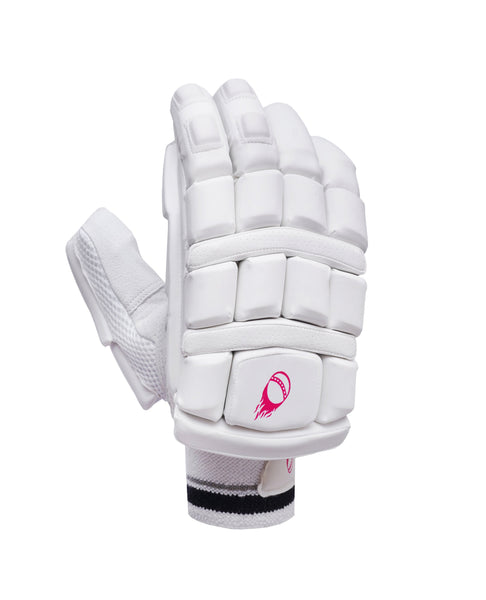
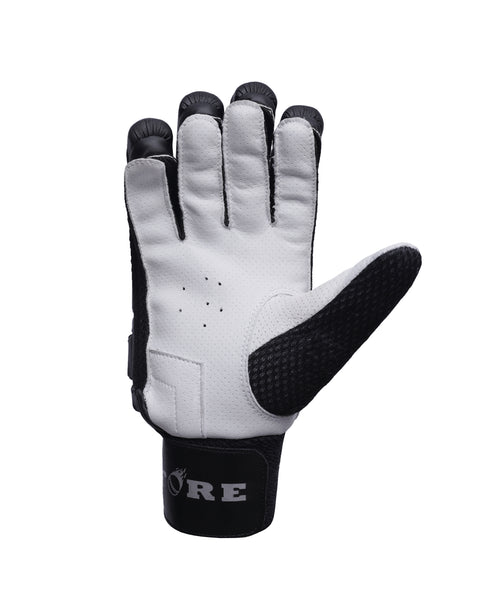
- Wicket Keeping Gloves - Your hands are your most important asset as a keeper. Gloves should be sized to your hand span (wrist to tip of middle finger) and allow full finger articulation.
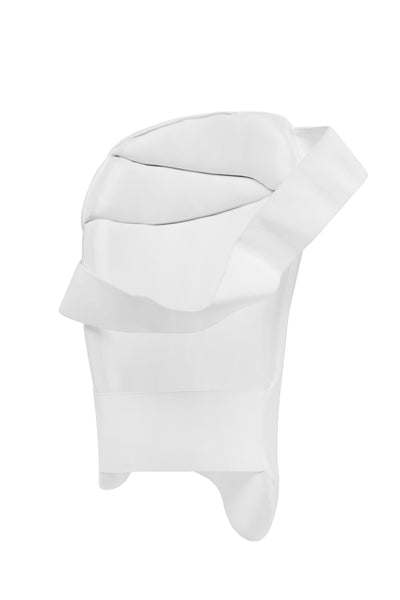
- Cricket Protection range - Abdominal guards, chest guards, and arm guards for full coverage in the field.
- Cricket Kit Bags - Keeping pads need to be stored flat or hung, not crushed. A proper bag protects your investment and keeps pads in shape.
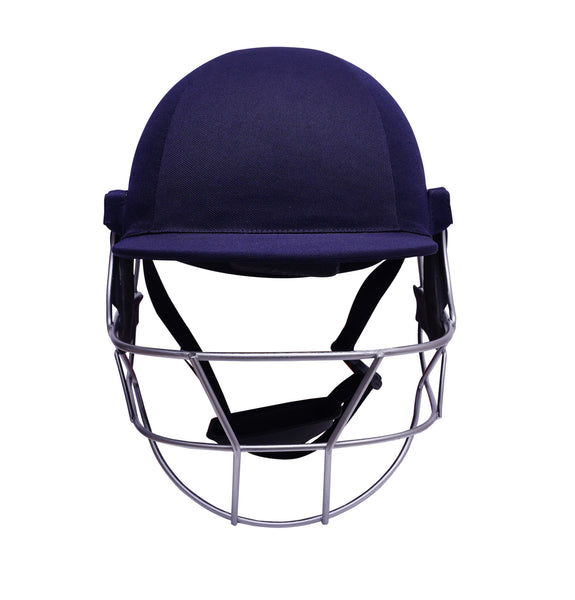
- Cricket Helmets - Required when keeping up to the stumps on any pace bowling. Always wear a lid standing up.
FAQ
Q: What size wicket keeping pads do I need?
Measure from the centre of your kneecap straight down to the top of your instep with cricket shoes on. Match that measurement to the sizing chart above. For most adult men, this measurement falls in the 43–48cm range (Adult/Medium). For children, the range varies significantly by height rather than age.
Q: Are junior keeping pads the same as adult pads, just smaller?
In general construction, yes - but junior keeping pads are typically built slightly lighter, with softer materials suited to younger players. The strap lengths are also scaled to smaller leg circumferences. Don't simply buy small adult pads for a junior; purpose-made junior keeping pads are better suited to the job.
Q: Can I use batting pads for wicket keeping?
Technically the laws of cricket permit it, but it's strongly inadvisable. Batting pads are too long and will interfere with the crouch position. They're also heavier and less flexible. If you're keeping regularly, use proper keeping pads.
Q: How do I know if my keeping pads are too big?
The clearest sign is that the top of the pad digs into the thigh when you crouch fully. You may also notice the pad shifting on your leg when you move laterally or dive. In a standing position, too-large pads tend to hang below the natural knee position rather than sitting just above it.
Q: How do I know if my keeping pads are too small?
When you stand upright, the top of the pad should reach just above the knee. If you can see a clear gap between the top of the pad and the knee roll, the pads are too short. For junior players specifically, check this regularly - growing out of the top of the pad is the most common sizing issue.
Q: How often should I replace wicket keeping pads?
With regular club play (one or two games per week), a quality pair of keeping pads should last two to three seasons. Replace sooner if: the foam has compressed noticeably and no longer rebounds; the instep section has worn through; straps no longer hold securely; or the pad has cracked or split at impact points.
Q: Do wicket keeping pads come in left and right?
Most modern wicket keeping pads are symmetrical and can be worn on either leg. Some premium pads are leg-specific (and will be labelled accordingly). If there's no left/right marking, the pads are interchangeable.