Picture this: it's your second over at the crease, the opening bowler drops one short, and it rears up into your exposed forearm. At 70mph - entirely normal for club-level adult cricket in the UK - that is not a tap. It is a bruise that keeps you off the nets for a week, or worse.
A cricket arm guard weighs next to nothing, costs less than a round of drinks, and sits on the one part of your body batting pads and gloves leave completely exposed. Yet it remains the most skipped item in club cricketers' kit bags.
This guide tells you exactly which arm guard to buy, what separates a quality guard from a cheap one, and where to get it delivered quickly in the UK. Whether you are buying for yourself, a junior, or topping up a full protection kit, you will leave this page knowing precisely what to order.
Do You Actually Need a Cricket Arm Guard?
The short answer: yes, if you are facing any bowling above roughly 55mph - which covers virtually every adult club and league game in the UK, and most decent youth cricket too.
Here is why. When a right-handed batter takes guard, the left forearm sits across the body in the direction of the bowler. On a short-pitched delivery, the ball rises and turns in toward that arm. Your batting pads stop at the knee. Your gloves protect the hand. The forearm - from wrist to elbow - is completely unprotected unless you are wearing a guard.
The ECB does not mandate arm guards at recreational level, but most club coaches now encourage them for all batters facing pace. For young players especially, getting hit on an unprotected forearm once is often enough to create a flinching habit that takes months to undo.
Beyond physical protection, there is a real psychological benefit. Batters who know their forearm is covered tend to get into line with the ball more readily. They play the pull and hook with commitment rather than half-heartedly fending. That confidence is worth something at the crease.
Types of Cricket Arm Guard Explained
Not all arm guards work the same way. Understanding the three main designs will save you from buying the wrong one.
Traditional Strap-On Guards
The most common type. A moulded foam or semi-rigid shell that wraps around the forearm and fastens with one or two Velcro straps. These offer the most direct, stable protection - the shell stays exactly where you put it even through a pull shot. Slightly more restrictive on movement than a sleeve, but most batters adapt within a few minutes of wear.
Best for: club and league cricketers who prioritise maximum protection and a secure fit.
Sleeve/Sock-Style Guards (e.g. Aero P1, Aero P3)
A compression-style sleeve made from elastic fabric with internal foam padding. No straps; it slides on like a long sock over the forearm. The Aero range is the dominant brand in this category. Batters who find strap guards uncomfortable or restrictive tend to prefer these - the fit is more natural and there is nothing to adjust mid-innings.
Best for: players who prioritise comfort and freedom of movement, or those who previously struggled to keep strap guards in place.
Hybrid Designs
A padded guard with a compression backing and a single strap. Sits between the other two in terms of feel and protection. Popular with players who want the security of a strap but the lighter profile of a sleeve.
Best for: all-rounders and players who bat and field in the same session.
What to Look for When Buying a Cricket Arm Guard
Coverage Area
Some guards protect the forearm only. Others extend to cover the elbow. If you play on pitches with uneven bounce - common on many UK club outfields - elbow coverage is worth the small extra bulk. Check the product dimensions against your arm length before buying.
Foam Type and Density
Single-layer low-density foam is fine for light practice or youth cricket where pace is modest. For adult club cricket, look for dual-layer or high-density EVA foam. The outer layer distributes force across the surface; the inner layer absorbs what gets through. This two-stage absorption is what separates a guard that deadens a blow from one that just holds its shape.
Sizing: Junior vs. Adult
Most brands offer two sizes: junior and adult/senior. Junior guards are designed for players roughly under 14, though the real guide is arm length from wrist to elbow rather than age. Measure this distance before ordering. A guard that slides around during a pull shot provides much less protection than one that fits properly - and risks moving at the worst moment.
Strap System
A single-strap guard is easier to put on but can rotate when you play cross-bat shots. A double-strap design locks it more firmly. If you play aggressive T20-style cricket with a lot of pull and sweep shots, a double-strap or high-compression sleeve will hold better than a loose single-strap guard.
Breathability
For long batting innings in warm conditions - or if you tend to run hot - look for mesh panels or a moisture-wicking inner lining. Most budget guards skip this. It is not a deal-breaker for a tail-ender, but for batters facing extended spells it makes a noticeable difference in comfort.
Best Cricket Arm Guards in the UK (2026): Comparison Table
|
Guard |
Type |
Protection Level |
Best For |
Approx. Price |
Ambidextrous? |
|
Fore Sports Arm Guard |
Strap-on |
High |
Club & league, all levels |
£9.99 |
Yes |
|
Aero P1 |
Sleeve |
High |
Comfort-first adult batters |
£39–£45 |
Yes |
|
Aero P3 |
Sleeve |
High |
Junior cricketers |
£29–£35 |
Yes |
|
Kookaburra Pro Players |
Strap-on |
High |
Brand-focused club players |
£30–£40 |
Yes |
|
Gray-Nicolls Arm Guard |
Strap-on |
Medium–High |
Mid-range club cricketers |
£25–£35 |
Yes |
|
FORTRESS Cricket Arm Guard |
Strap-on |
Medium |
Beginners & budget buyers |
£15–£20 |
Yes |
Fore Sports Arm Guard - The best-value starting point for UK club cricketers. Shop cricket arm guards at Fore Sports →
Aero P1 - The benchmark sleeve-style guard. Favoured by players who find strap guards uncomfortable. The elastic construction means no straps to adjust between overs, and the foam coverage is comprehensive from wrist to elbow.
Aero P3 - Same sleeve design as the P1 but cut for junior arms. If your child is at the age where they are facing genuine pace bowling for the first time, this is the most comfortable option available in the UK junior market.
Kookaburra Pro Players - Reliable strap-on from a globally recognised brand. High-density foam construction, double-strap fastening, and a well-established fit. A safe choice for any club-level batter.
Gray-Nicolls - Solid mid-range option. Gray-Nicolls arm guards prioritise a lightweight profile without compromising on foam density, which makes them a popular choice for batters who field for extended periods in the same session.
FORTRESS (Net World Sports) - The most accessible entry-level guard available to UK buyers. Dual-layer EVA foam, ambidextrous design, and an elasticated touch-fasten system. A reasonable option for beginner adults or parents buying a junior's first guard.
How to Size a Cricket Arm Guard
Sizing is worth a minute of your time. A guard that is too long bunches at the wrist and restricts your grip. One that is too short leaves your elbow exposed.
Step 1: Measure your forearm from the base of the wrist to the point of the elbow. Do this with the arm slightly bent - the batting position.
Step 2: Compare this against the brand's size guide. Most UK brands define junior as up to approximately 28–30cm forearm length, though this varies slightly.
Step 3: If you are between sizes, size up. A slightly long guard can be repositioned; a short one cannot be extended.
Which arm? For right-handed batters, wear the guard on your left (top hand/non-dominant) arm - this is the arm facing the bowler in a standard right-handed stance. Left-handers wear it on the right arm. All reputable arm guards are ambidextrous and can be worn on either side.
How Much Should You Spend on a Cricket Arm Guard?
There are three realistic price tiers for UK buyers:
Under £20: Beginner and occasional play Adequate foam protection for casual matches and training. Unlikely to have breathable lining or double-strap security. Fine for young players just starting out or adults who bat rarely.
£20–£35: Regular club cricketers The sweet spot for most UK players. At this price you get proper high-density foam, a reliable strap system, and construction that will last a full season of weekly play. The Fore Sports range and Gray-Nicolls options sit here.
£35 and above: League, county, and serious club level Premium foam engineering, sleeve-style options (Aero), and branded equipment used by professional players. Worth the extra spend if you are facing express pace regularly, bat long innings, or simply want the best available comfort and protection.
Where to Buy Cricket Arm Guards Online in the UK
Fore Sports is a UK-based specialist cricket retailer with a dedicated arm guard collection covering junior and adult sizes, with free UK delivery on orders over £100. As a cricket-specific shop, the range is curated - you are not wading through generic sports equipment to find what you need.
Browse cricket arm guards at Fore Sports →
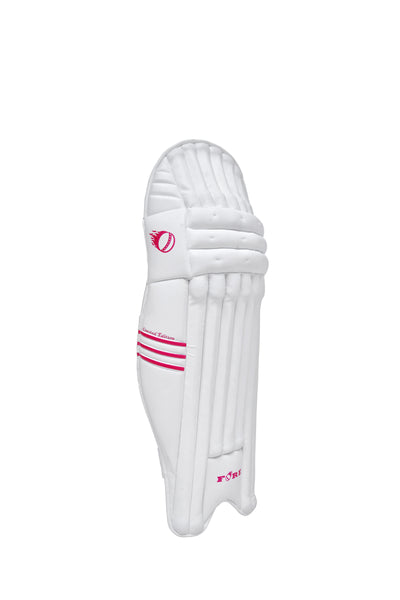
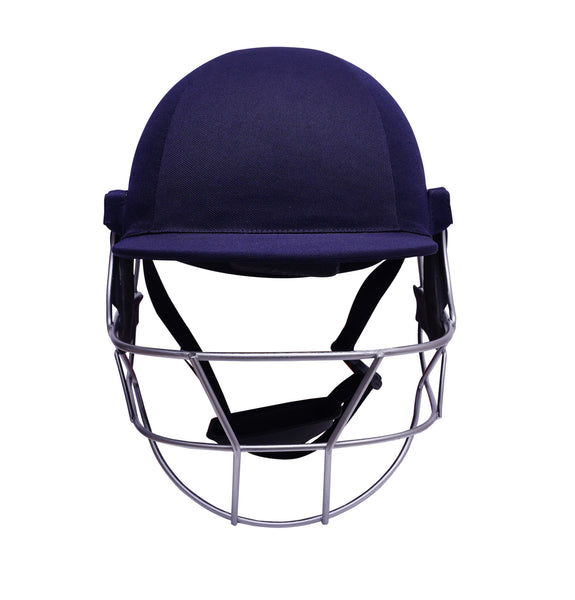
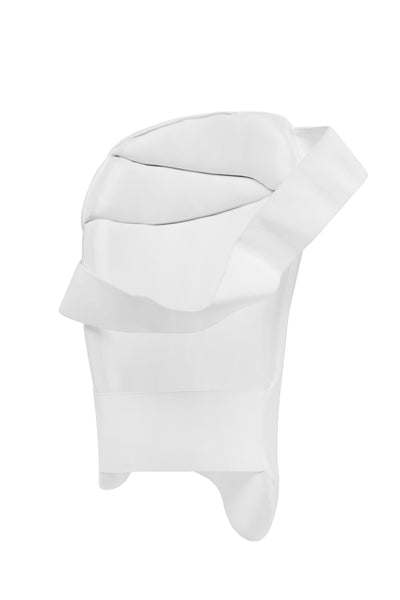
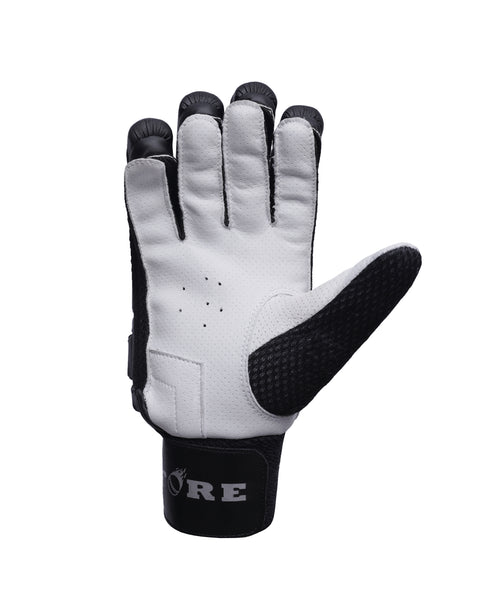
Fore Sports also stocks the full range of cricket protection in one place, so if you need to complete a batting kit:
Frequently Asked Questions
Do I need to wear an arm guard on both arms?
No. The guard goes on the non-dominant arm - the one facing the bowler in your batting stance. Right-handers: left arm. Left-handers: right arm. Wearing one on both arms is uncommon and would restrict movement unnecessarily.
What is the difference between a forearm guard and an elbow guard?
A forearm guard covers from wrist to just below the elbow. An elbow guard covers the elbow joint specifically. Most arm guards available in the UK cover both in a single piece. If a product only describes itself as an elbow guard, check whether it also covers the forearm before buying.
How do I keep an arm guard in place during a pull shot?
If a strap guard rotates during aggressive shots, tighten the straps to the point where the guard feels snug but does not restrict blood flow. Alternatively, switch to a sleeve-style guard (Aero P1 or P3), which uses compression to stay in position without straps. A guard that moves mid-shot is not just uncomfortable - it is a sign you need either a better fit or a different design.
How do I clean a cricket arm guard?
Most foam-construction guards should not be machine washed - the foam can degrade and lose its shape. Wipe the outer shell with a damp cloth and mild soap after use. Sleeve-style guards with fabric construction can usually be hand-washed in cold water and air-dried. Check the manufacturer's care label.